
DLH Jakarta Optimises Rorotan RDF Plant to Ease Burden on TPST Bantargebang
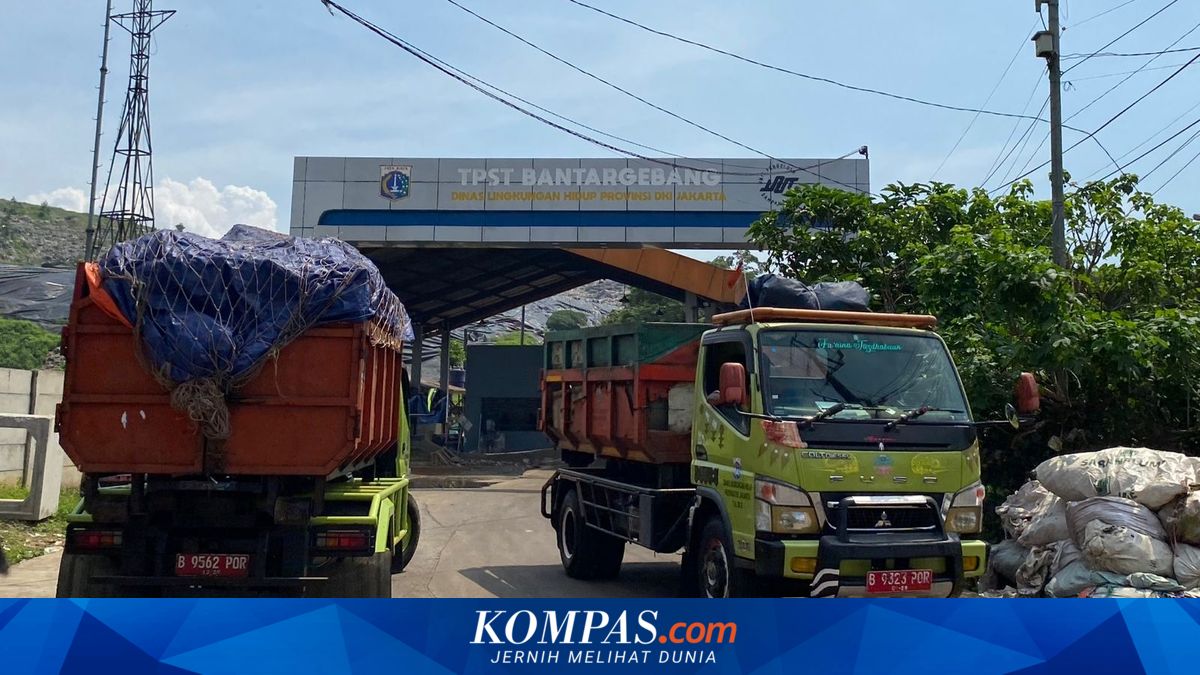
The Jakarta Environmental Agency (DLH DKI Jakarta) continues to make improvements and adjustments in waste management. These steps are being taken to address waste issues, particularly after the Lebaran holiday season and the landslide at the Integrated Waste Management Facility (TPST) Bantargebang some time ago.
The Head of the Jakarta Environmental Agency, Asep Kuswanto, stated that these accelerations are being carried out to prevent waste accumulation that causes discomfort to the public. According to him, the operational and waste management routes that were disrupted must be repaired immediately.
“This is a form of our responsibility in providing optimal public services. We will not cover up this situation and we convey our apologies to the public for the inconvenience that occurred,” said Asep, as quoted from Beritajakarta.id on Monday (6/4/2026).
After the landslide, Asep explained that DLH DKI Jakarta did not limit the waste quota sent to TPST Bantargebang. Instead, waste collection is divided into three shifts per day to minimise vehicle queues and consider safety factors on the ground.
“We are optimising the distribution process through a more measured work system and waste truck transport shifts. With this pattern, the waiting time for waste trucks remains controlled, namely not exceeding three hours. We are also carrying out these efforts to protect the safety and health of drivers,” Asep explained.
On the other hand, TPS Rawadas and TPS Kencana have been permanently closed through cooperation with the sub-district, village, security parties, and the local village consultative body (LMK).
“Post-Lebaran return waste residues are also being handled immediately and distributed to processing facilities, including the Refuse Derived Fuel (RDF) Plant in Bantargebang and Rorotan,” Asep said.
For information, TPST Bantargebang experienced a landslide on Sunday (8/3/2026) due to a pile of waste that exceeded capacity and heavy rain that hit the area for several days. As a result, the waste delivery process was disrupted and caused long queues.
Currently, Zone 4A, which was the landslide point, has been tidied up but not reopened. Meanwhile, TPST Bantargebang is already operating with a limitation of 900 truck trips per day entering.
Asep said that DLH DKI Jakarta has taken proactive steps, particularly in preparing the RDF Plant Rorotan to relieve the burden on the Bantargebang landfill. These steps include improving equipment reliability, refining flow, residue handling processes, and implementing standard operational procedures (SOP).
“We are focusing on double-checking the readiness of the RDF Plant Rorotan to process waste. In addition, we are also monitoring control and strengthening the control system to ensure the quality of the RDF output remains maintained,” said Asep in a written statement received by Kompas.com (9/4/2026).
DLH Jakarta is also committed to maintaining environmental aspects through strengthening odour control systems. These efforts are carried out through the optimisation of deodoriser systems and emission management in flue gas treatment (FGT).
“Besides that, we are also maintaining coordination with the RDF Plant Rorotan Management Monitoring Working Team. I hope that team continues to provide input so that the management of this facility gets better,” Asep stated.
In addition, DLH Jakarta will strengthen cross-unit coordination to ensure that integrated management in upstream (waste sources), midstream (RDF Plant Rorotan and Bantargebang), and downstream (TPST Bantargebang) runs more effectively.