
DLH DKI urges residents to adopt Eco Qurban practices during Idul Adha
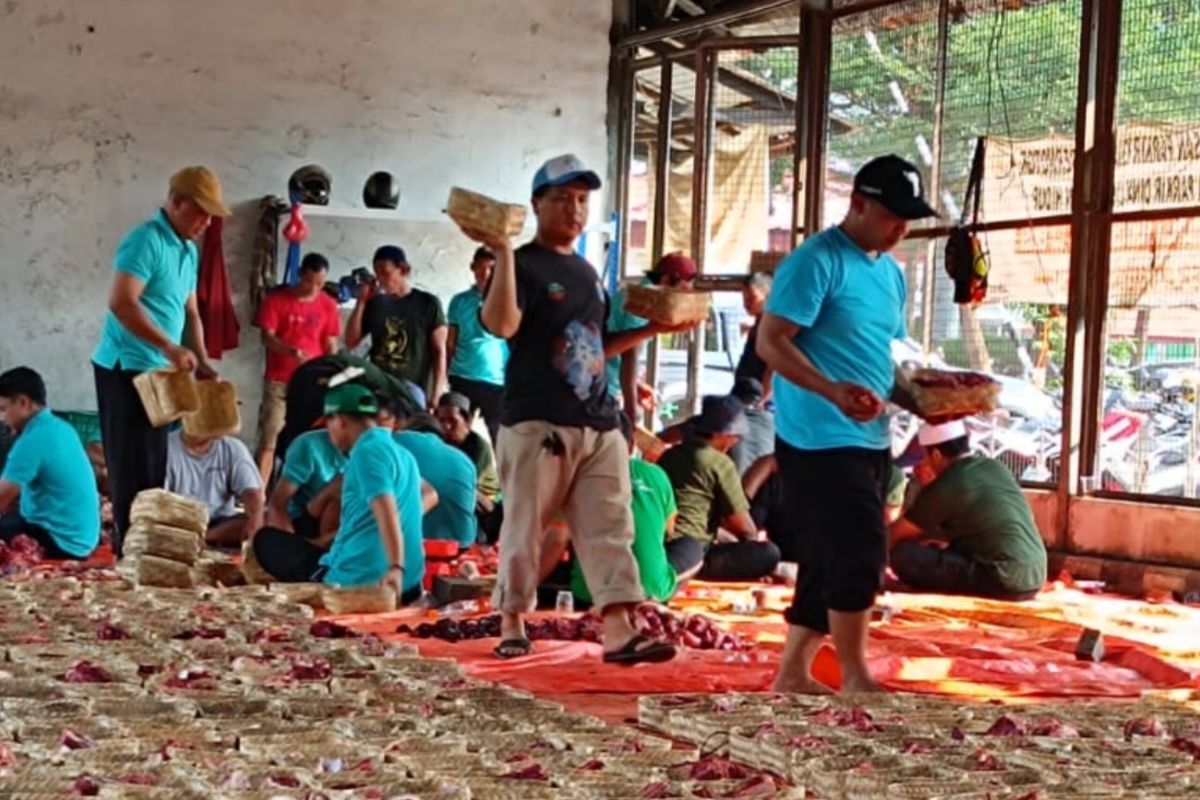
Jakarta’s Environmental Agency (DLH) has called on residents and all Qurban organisers to implement Eco Qurban principles during the 1446 Hijriah Idul Adha. Head of Jakarta’s Environmental Agency Dudi Gardesi explained that Eco Qurban involves conducting animal sacrifice with environmental cleanliness in mind from slaughter to meat distribution. ‘This Eco Qurban aligns with Jakarta Governor Regulation No. 30 of 2025 on Guidelines for Animal Sacrifice, covering not only the execution but also meat distribution stages,’ Dudi said in Jakarta on Monday. He stated that approximately 77,436 sacrificial animals are expected to be slaughtered in Jakarta this year. This figure could generate significant waste, including animal blood, unused organs and body parts, and high water usage during slaughter and cleaning. According to Dudi, each sacrificial animal requires 500 to 1,000 litres of water for cleaning. Additionally, meat production has a high water footprint, requiring around 15 cubic metres of water to produce one kilogram of beef. Therefore, the DLH stressed the importance of proper waste management to prevent pollution and waste accumulation during Idul Adha. He added that under Article 8 Paragraph 3 of Governor Regulation No. 30 of 2025, the DLH is responsible for monitoring waste management at Qurban sales sites and slaughterhouses (RPH) in Jakarta. Animal blood should be collected in waterproof containers and treated with disinfectants like lime or chlorine to ensure environmental safety. ‘Wastewater must be ensured free of blood to prevent waterway pollution and can still be used, for example for watering plants,’ he said. Meanwhile, unused animal organs and body parts should not be discarded carelessly. If space is available, organic waste can be buried in soil with added disinfectant. Processing using Black Soldier Fly (BSF) maggots is also an alternative to reduce organic waste. The DLH also urged residents to reduce food waste by cooking according to need and using a buffet-style system to prevent food wastage. In addition to waste management, the DLH encourages reducing single-use plastics when distributing Qurban meat. Residents are advised to use eco-friendly containers such as bamboo baskets, banana leaves, teak leaves, or reusable alternatives. ‘Through implementing EcoQurban, we hope the Qurban ritual not only brings social and religious benefits but also serves as an opportunity to increase environmental awareness and reduce waste in Jakarta,’ Dudi said.