
DKI Targets Women Aged 18 and Above for Lupus Screening
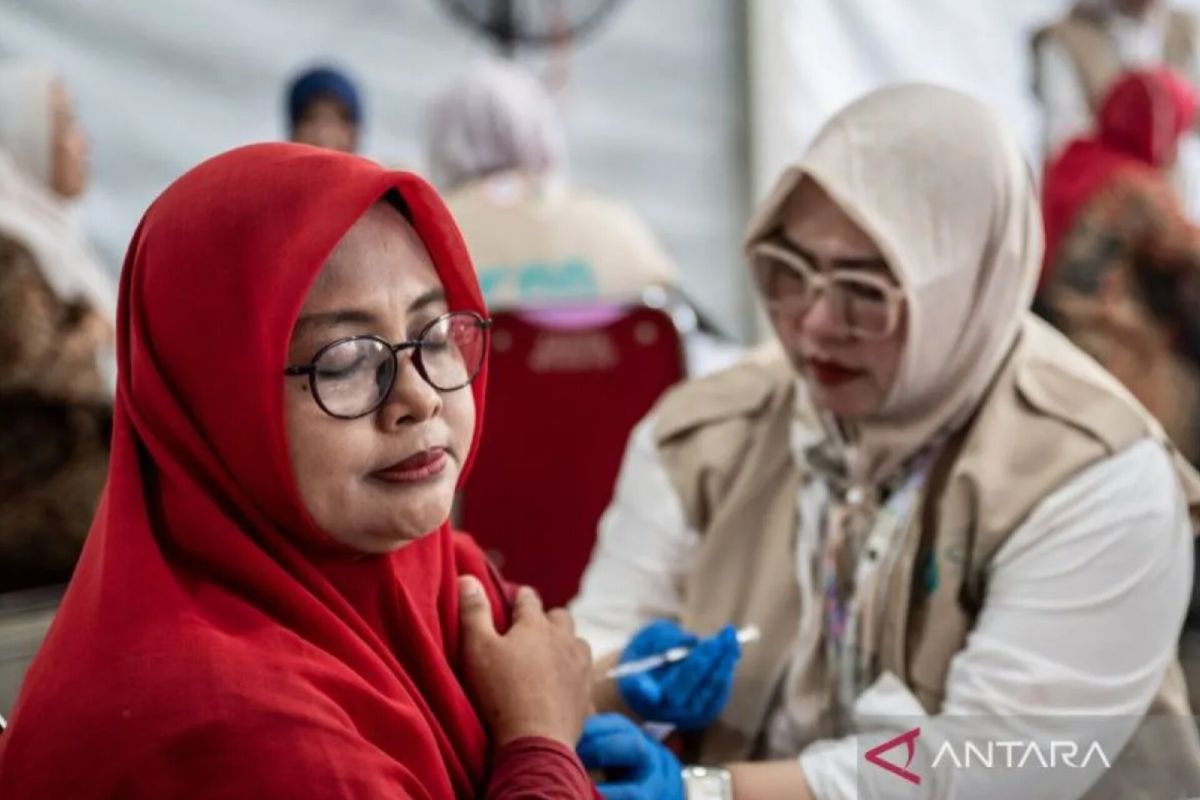
The DKI Jakarta Provincial Government targets women aged 18 and above as the primary focus of the lupus disease screening programme, both in hospitals and primary-level health facilities (FKTP). “The main target of the screening programme, as women have higher rates (of lupus), we are focusing more on women aged 18 years,” said the Head of Disease Prevention and Control at the DKI Jakarta Health Office, Sri Puji Wahyuni, during an online seminar in Jakarta on Monday. Study results consistently show that women are at 8-13 times greater risk of developing lupus compared to men. Meanwhile, based on data up to April 2026, screenings at puskesmas have reached around 943 people suspected of having lupus, followed by referrals. On the other hand, BPJS data indicates an increase in the number of lupus cases, both in hospitals and referrals from FKTP, each year: 192,614 cases in 2023, rising by around 24 percent to 238,954 cases in 2024, and 247,743 cases in 2025. “Perhaps healthcare workers are more familiar with lupus now. But on the other hand, the numbers are increasing, so we all need to improve knowledge and competency on how to detect lupus cases early at FKTP,” said Puji. This condition causes excessive autoantibody production that attacks healthy tissue. These autoantibodies form immune complexes that trigger inflammation and tissue damage. Puji explained that lupus is one of the diseases that is difficult to detect because its symptoms are non-specific, earning it the nickname of the disease with a thousand faces. Therefore, she emphasised the importance of education for the public so they can recognise lupus symptoms early. Education is also provided to healthcare workers, including through online seminars, so that FKTP, besides puskesmas, can perform more targeted and effective early detection, avoiding under-diagnosis and over-diagnosis.