
DKI Provincial Government Urged to Swiftly Establish Energy Regional-Owned Enterprise to Support Clean Energy Transition
The Jakarta Provincial Government has established the direction of its energy transition policy through Regional Regulation (Perda) No. 5 of 2023 on the Regional Energy General Plan (RUED) 2023–2050. This regulation targets meeting environmentally friendly energy needs, optimal utilisation of clean energy technologies, and increasing the role of the community in the energy sector.
Nevertheless, an important question arises regarding who will be the main driver in realising these ambitious targets.
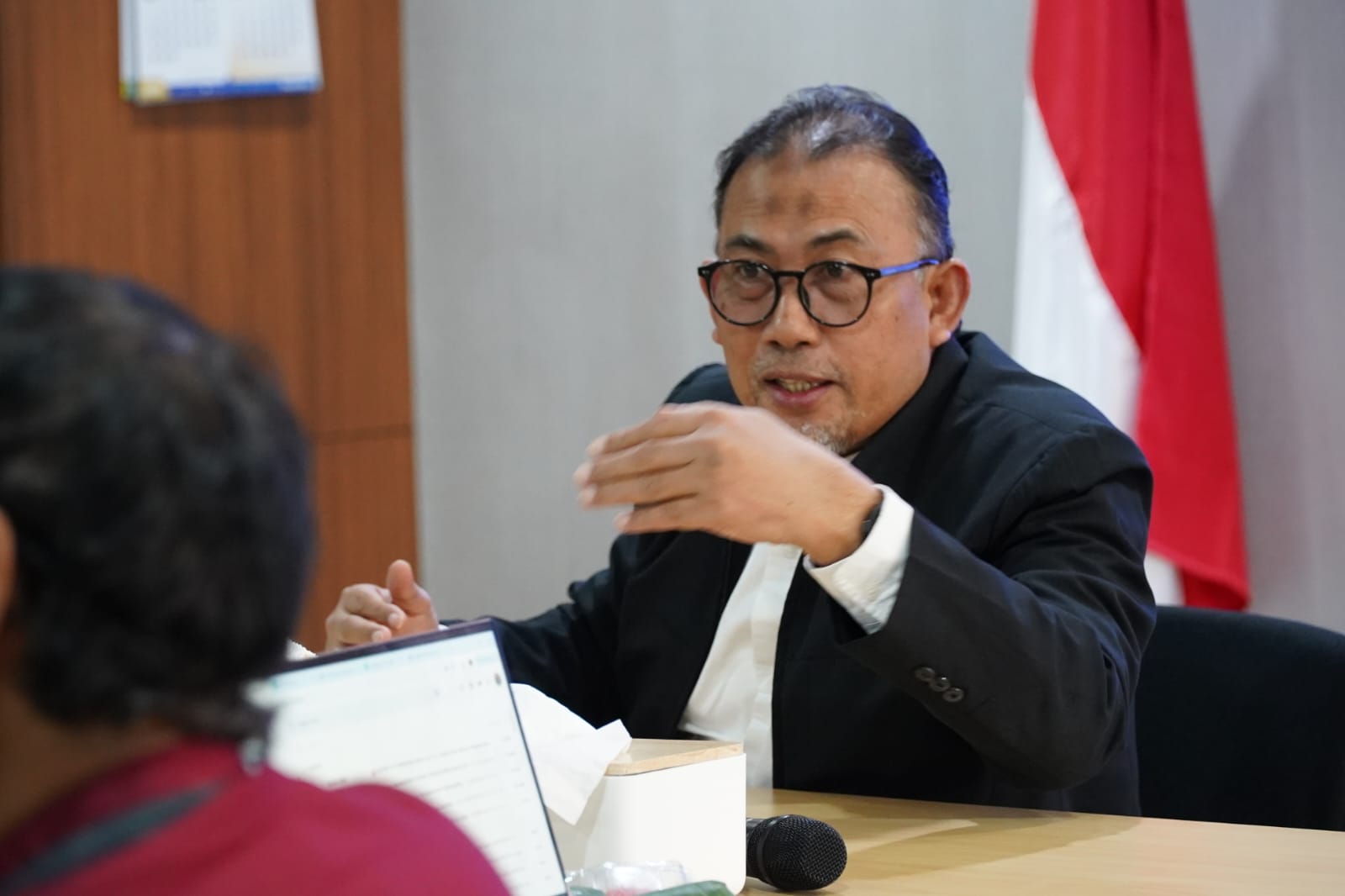
Professor Syamsir Abduh from Trisakti University assesses that the formation or strengthening of a Regional-Owned Enterprise (BUMD) in the energy sector is an urgent step so that the implementation of RUED does not stop at being merely a planning document.
He emphasises that the presence of an Energy BUMD is a strategic necessity, not only to strengthen regional energy sovereignty but also to increase Original Regional Income (PAD), maximise local resource potential, and accelerate the transition process towards clean energy.
“If Jakarta wants to be serious about achieving net zero emissions by 2050, there must be a regional business entity focused on the energy sector. Without it, implementation will be scattered and poorly coordinated,” said Syamsir in his statement on Tuesday (31/3).
In the RUED document, the Jakarta Provincial Government targets an increase in the mix of New Renewable Energy (EBT) and energy efficiency as the main foundation for sustainable energy transition.
Several concrete targets have been formulated. In the transportation sector, vehicle electrification is targeted to reach at least 10% by 2030 and increase significantly to 75% by 2050. This programme includes four-wheeled electric vehicles, electric motorcycles, and electric-based Transjakarta fleets.
In addition, the use of electric stoves in the household sector is also encouraged, with a target of at least 50% of households switching by 2050. The utilisation of natural gas will also be expanded as a cleaner transition energy for the household, commercial, industrial, and transportation sectors.
RUED also opens opportunities for developing hydrogen-based technology. The use of hydrogen-based electric vehicles is targeted to begin implementation no later than 2030 and reach 20% of the total electric vehicles by 2050.
Efforts to control greenhouse gas emissions and reduce air pollution are also a top priority, including the development of renewable energy in the Thousand Islands region and the provision of centralised energy systems.
All these strategies are directed to support achieving Jakarta’s net zero emissions target by 2050 through a sustainable mobility approach and increased energy efficiency.
According to Syamsir, the complexity of the targets in RUED requires the presence of a special operator at the regional level capable of integrating various programmes into real projects.
“RUED is a blueprint. But the blueprint must be translated into concrete projects: building EBT power plants, charging station infrastructure, hydrogen development, to energy management in buildings. This is where the Energy BUMD plays a role,” he said.
He explained that the Energy BUMD can function as an investment manager, implementer of clean energy projects, and strategic partner for the central government and private sector. Without a special institution, Jakarta risks depending on external parties for funding and technology.
“If DKI wants to be at the forefront of clean energy technology, it must have a strong institutional vehicle. The BUMD can be a policy instrument as well as a business actor,” he said.
The RUED Perda 2023–2050 has provided a legal basis for the Jakarta Provincial Government to strengthen energy and water efficiency and accelerate the transition to clean energy. However, the success of implementation greatly depends on consistent execution and good governance.
“The vision is already progressive. The challenge now is in execution. Without a solid institutional structure, targets for EBT mix, 75% electrification, and net zero 2050 will be difficult to achieve,” he stated.
He emphasised that the formation of the Energy BUMD is not merely to pursue economic profits but also to ensure energy resilience, maintain price stability, and guarantee environmental sustainability in Jakarta.
“Energy is a strategic matter. Jakarta as the national economic centre must not be half-hearted,” he said.