
DKI Provincial Government Strategy to Reduce Bantargebang TPST Burden Through Source-Based Waste Reduction
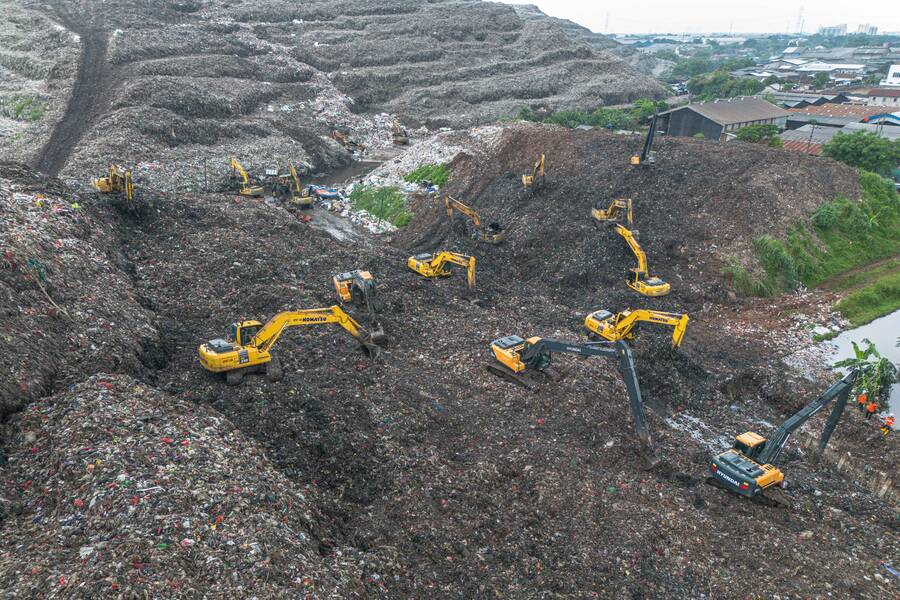
The DKI Jakarta Provincial Government has outlined several strategic measures to reduce pressure on the Bantargebang Integrated Waste Processing Facility (TPST) in Bekasi. One of the main efforts being undertaken is promoting waste reduction directly from its source.
Asep Kuswanto, Head of the DKI Jakarta Environmental Office, explained that the more waste is segregated and reduced from the outset—whether in households, offices, or residential areas—the lighter the burden on the Bantargebang TPST as the final processing location will become.
“Waste reduction at source is an important part of Jakarta’s long-term waste management strategy, whilst also reducing the volume of waste entering the final processing facility every day,” said Asep in a statement in Jakarta on Wednesday, 11 March.
According to him, source-based waste reduction can begin with simple steps that the public can undertake daily, such as segregating waste by type. These categories include organic waste that easily decomposes, recyclable materials, residual waste, and hazardous household waste.
Besides segregating waste, residents are also encouraged to process food waste through composting. Items that still have useful value should be reused so they do not immediately become waste.
“These steps have proven effective in reducing the volume of waste that must be transported to processing facilities and final disposal sites,” said Asep.
Meanwhile, Asep noted that the DKI Jakarta Provincial Government continues to strengthen comprehensive waste management systems, from upstream to downstream. One step being taken is developing modern processing facilities, such as the Refuse Derived Fuel (RDF) Plant in Rorotan, which processes waste into alternative fuel for the cement industry.
However, he stressed that the application of waste processing technology alone is insufficient without public support. Active citizen participation in reducing and segregating waste from source remains a crucial factor in the success of waste management in Jakarta.
Therefore, the DKI Provincial Government is calling on the public to begin building the habit of segregating and reducing waste in daily activities.
“If the public becomes more active in segregating and reducing waste, then Jakarta’s waste management system will become increasingly sustainable and the burden on Bantargebang TPST can continue to diminish because only residue will be sent there,” said Asep.
For reference, the Bantargebang TPST currently receives an average of 7,354 tonnes of waste daily from the DKI Jakarta region. Meanwhile, the total daily load that the waste processing facility must handle reaches approximately 7,734 tonnes per day.