
DKI Provincial Government Places No Restrictions on Citizens Purchasing Affordable Food
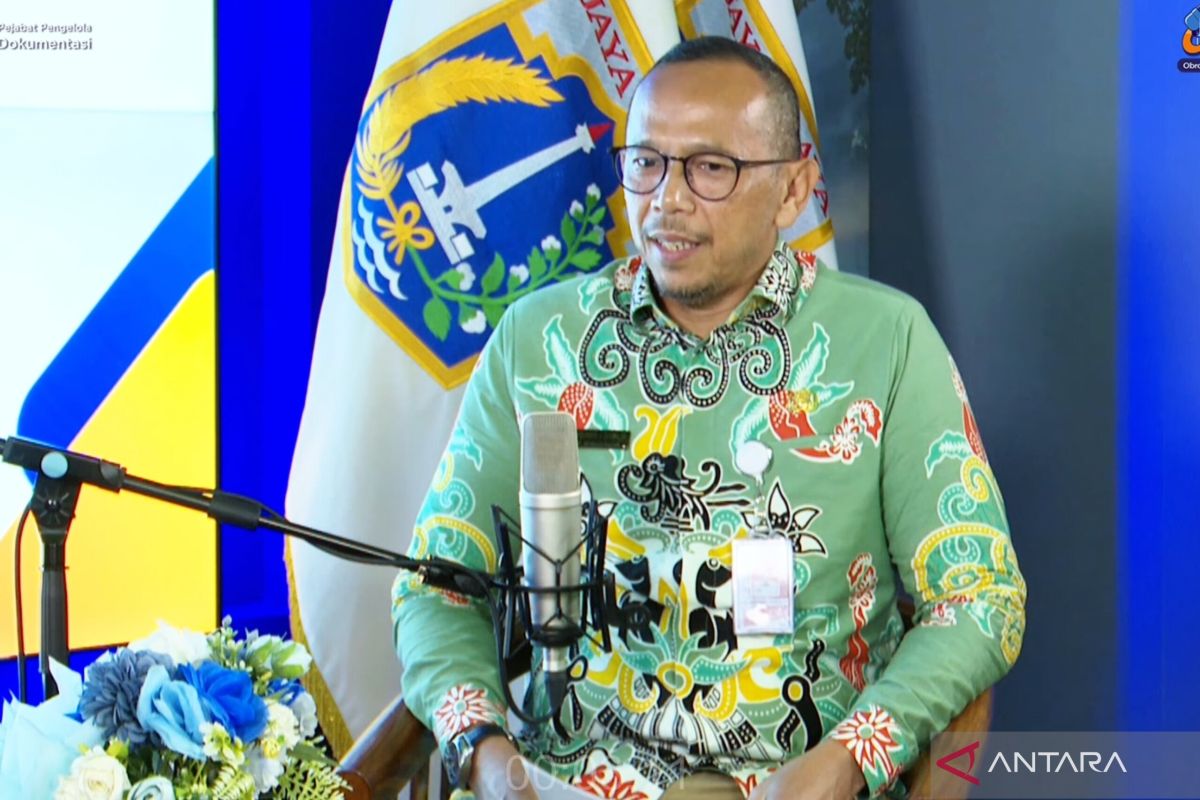
Jakarta — The DKI Jakarta Provincial Government has announced that there are no restrictions on which residents can purchase foodstuffs through the Cheap Food Movement (GPM) conducted in partnership with state-owned food enterprises.
“There is no restriction on the public. Anyone who wishes to purchase food is welcome to do so. However, in truth, our target is lower to middle-income residents,” said Hasudungan Sidabalok, Head of the DKI Jakarta Department of Food Security, Marine Affairs, and Agriculture (KPKP).
During a podcast discussion on food security during Ramadhan and Eid that was monitored in Jakarta on Tuesday, he explained that the programme is held to strengthen food security, increase purchasing power, and help suppress the potential for food inflation in the capital.
Each of Jakarta’s state-owned food enterprises — Food Station, Dharma Jaya, and Pasar Jaya — runs the GPM across ten locations with an unlimited range of commodities, including red onions, garlic, chillies, and other staple foods such as beef, chicken, and eggs.
The implementation locations include village offices, integrated child-friendly public spaces (RPTRA), sub-district offices, and municipal administration offices.
“Product quality is guaranteed and prices are below market rates. It is hoped that this intervention will suppress prices and increase purchasing power among the public,” Hasudungan said.
Throughout 2025, approximately 1,000 GPM events have been conducted by food-sector state-owned enterprises in Jakarta.
With regard to food stocks in Jakarta, the DKI Provincial Government, through its food-sector enterprises, also ensures adequacy so that residents need not worry.
“Usually during Eid or Ramadhan, demand for items such as beef and chicken increases. For beef requirements, approximately 2,200 tonnes are needed, and chicken 10,000 tonnes per month for February. We hold 8,000 tonnes of beef in stock,” Hasudungan stated.