
DKI Provincial Government Opens Doors to Investors for Building Electric Bus Charging Ecosystem
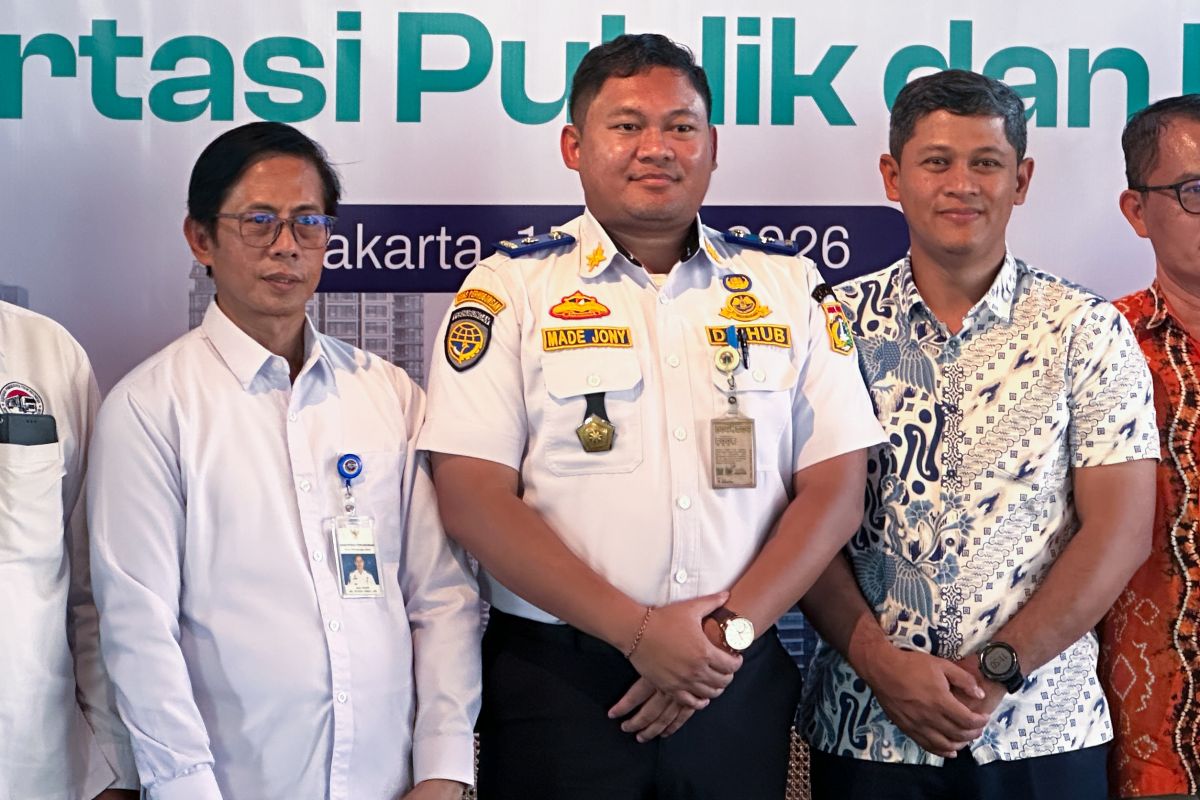
Jakarta (ANTARA) - The DKI Jakarta Provincial Government is opening opportunities for collaboration with investors to build a charging station ecosystem, or electric bus power filling stations, by utilising underutilised lands owned by the regional government. During a Focus Group Discussion (FGD) with the Strategic Transport Initiative (Instran) and PT Kalista Nusa Armada in Jakarta on Wednesday, the Head of the Law Enforcement Section of the DKI Jakarta Transportation Agency (Dishub), Made Jony, stated that this step is being taken to accelerate the development of electric-based public transport while pursuing the target of 10,000 electric buses by 2030. “Therefore, with several investors interested in creating a charging ecosystem, we are open to it, so that charging obstacles can be overcome; we can prepare with the existing schemes,” he said. “Our focus in the DKI Jakarta Provincial Government also concerns investment costs; indeed, besides investment in vehicles, the need for electric vehicles also requires high investment in the charging system,” he added. In achieving this target, limitations in charging infrastructure remain the main challenge. Currently, electric bus charging facilities, according to Made, are generally only available in bus pools or depots located on the outskirts of Jakarta, which complicates operations. According to him, this condition requires buses to return to pools that are relatively far from the city centre just to recharge. He added that underutilised lands owned by the DKI Jakarta Provincial Government will be utilised as locations for building charging stations to be closer to the city’s activity centres. Besides underutilised lands, Made revealed that his side is also studying several other locations that can be developed into power filling stations, some of which are existing terminals in Jakarta such as Pulogebang Terminal, Kampung Rambutan, Ragunan, and Pinang Ranti. Several assets of DKI Jakarta Provincial Government lands are also being studied, such as the Ancol area, Cawang Depot, and Pasar Jumat. “We will utilise this land for the charging ecosystem, so that the public and vehicle owners do not have headaches. Thus, infrastructure challenges for SPKLU can be addressed, and the use of electric vehicles, especially in the DKI Jakarta Provincial Government, can develop and increase in line with the existing charging ecosystem.” With this step, it is hoped that the use of electric vehicles in Jakarta can develop more quickly. Made revealed that by 2026, the number of electric buses in Jakarta will reach around 480 units and is targeted to increase to 500 units in the near future.