
DKI Provincial Government Offers Special and Free Services for Jakarta Residents Not Returning Home for Eid 2026
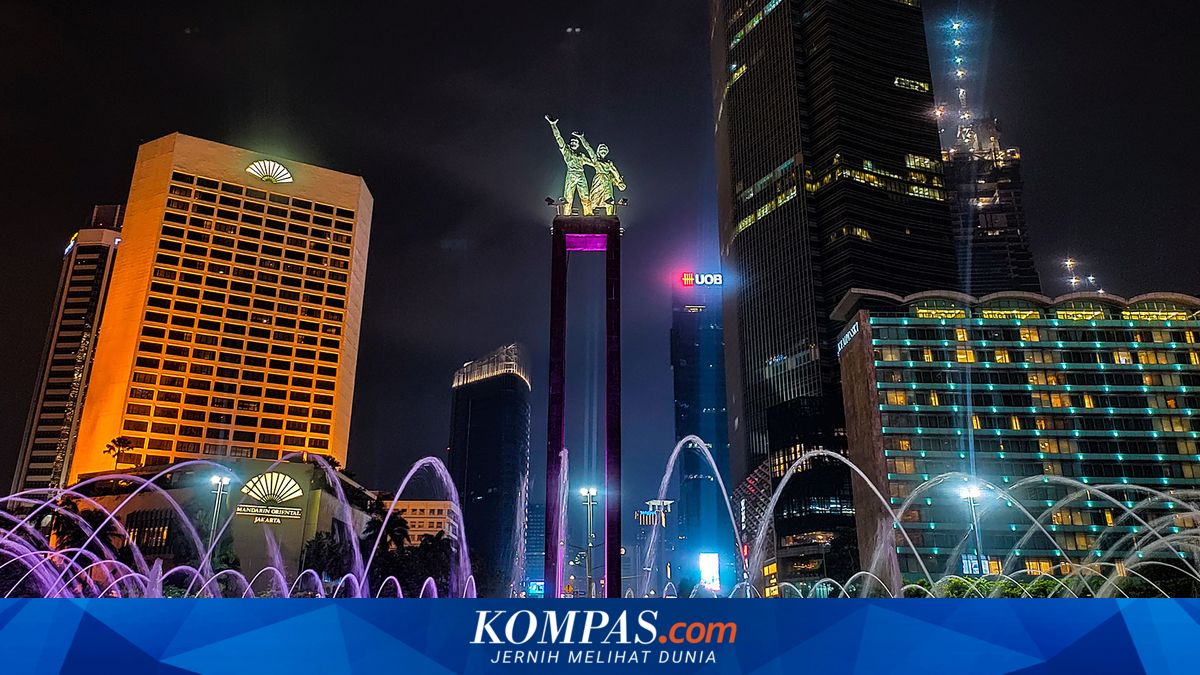
JAKARTA — The DKI Jakarta Provincial Government has prepared a series of special policies for residents who remain in Jakarta during the Eid 2026 holiday period.
This measure is intended to ensure the city remains vibrant despite the majority of residents choosing to return to their home towns (mudik).
“For those who do not return home, we have already made this clear because Jakarta’s theme is ‘Mudik ke Jakarta’ [Return to Jakarta], and they will receive special treatment from us,” said DKI Jakarta Governor Pramono Anung when met at Pura Segara, Cilincing, North Jakarta, on Sunday (15 March 2026).
One of the policies being prepared is free public transport in Jakarta including Transjakarta, MRT, and Jakarta LRT for two days during the Eid period.
“In this way, we expect Jakarta to remain vibrant even though nearly half of residents are returning home,” said Pramono.
Not only that, the DKI Provincial Government is also preparing economic incentives for business sectors that continue operating during the Eid holiday.
“We will also provide tax incentives for shopping centres and hotels. Hopefully the discount can reach 60–70 per cent,” he added.
Zulkifli, Head of the Road Transport Terminal Management Unit (UPTAJ) of the DKI Jakarta Transportation Office, predicted that the peak exodus will occur twice: on 13 March and 18 March 2026.
The first wave is estimated to be dominated by students as it coincides with the start of the school holiday period.
Meanwhile, the second peak will be filled by workers, including civil servants, state-owned enterprise employees, and private sector workers.
The return flow is also divided into two phases. The first peak is estimated on 24 March, when some workers return to Jakarta, whilst the second peak occurs on 28–29 March, generally filled by students.
Meanwhile, three auxiliary terminals are ready to be used if congestion occurs.
“These auxiliary terminals are prepared in case the main terminals experience passenger congestion,” explained Zulkifli.
This strategy is expected to reduce passenger congestion and make the movement of returning residents smoother.