
DKI Legislator: Women-friendly city should not be just mere jargon
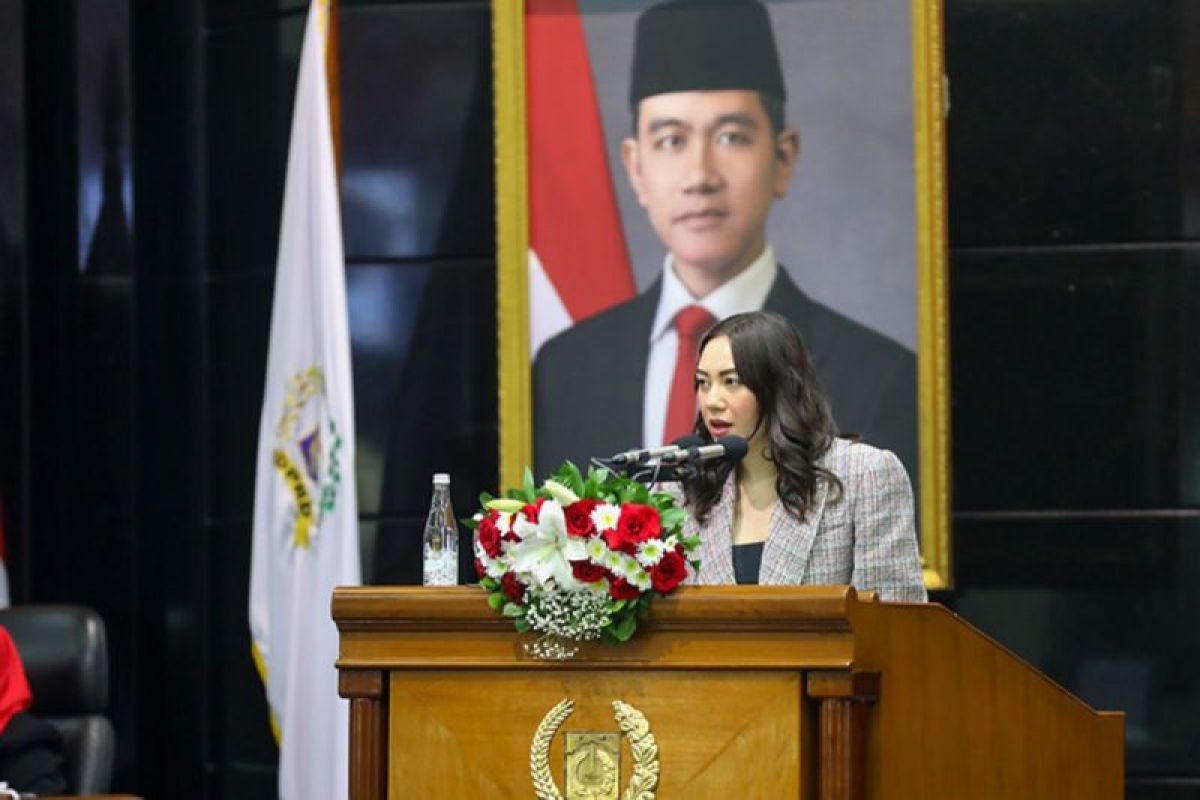
Jakarta (ANTARA) - DKI Jakarta DPRD member Alia Noorayu Laksono stated that the concept of a women-friendly city should not stop at being jargon in planning documents, but its policies must be felt in the lives of residents.
“Many women still feel unsafe when using public transport, walking at night, or even in their own residential environments,” said Alia in her statement in Jakarta on Tuesday.
According to her, the submission of the Draft Regional Regulation (Ranperda) on the Implementation of Women’s Protection is an urgent step amid the high vulnerability of women in the capital.
That regulation, she said, is not merely an administrative complement, but an answer to the insecurity still experienced by women in everyday life.
Alia assessed that women still face threats of violence, discrimination, and exploitation in various spheres of life.
That condition, she said, indicates that protection for women has not yet been optimal.
Therefore, the Golkar Party Faction of the DKI Jakarta DPRD views the high rate of violence against women in Jakarta as a serious alarm for the regional government.
Based on data from the Online Women’s and Children’s Protection Information System (Simfoni PPA), Jakarta is recorded as one of the provinces with the highest reported cases of violence against women in Indonesia.
Over one year, more than 2,200 victims were recorded seeking protection. That number is not merely a statistic, but a picture of the many women living under threat and uncertainty.
Therefore, she said, the Golkar Faction requests that the DKI Jakarta Provincial Government ensure that the women-friendly city concept does not stop as jargon in planning documents.
“Those policies must truly be felt in the lives of residents,” she stated.
She added that one aspect highlighted is the improvement of security standards for public facilities, starting from street lighting, surveillance of vulnerable areas, to data-based security systems from women’s safety audits.
Not only that, the Golkar Party Faction also emphasised the importance of an intersectional approach in women’s protection.
According to her, women are not a homogeneous group with the same problems. There are groups of women facing layered vulnerabilities, such as those with disabilities, the elderly, people living with HIV/AIDS, and migrant workers.
Those groups are assessed to still have difficulty accessing safe and inclusive protection services.
Therefore, the Golkar Faction requests cross-sectoral coordination so that protection services truly side with victims, rather than burdening them with lengthy bureaucratic procedures.
The Golkar Party Faction also highlighted the importance of disability-friendly services, victim confidentiality protection, and quick and easily accessible handling mechanisms.
“The women’s protection system must be built based on victims’ needs, not rigid procedure-based,” Alia added.