
DKI Legislator States Waste Sorting Culture Must Begin with the Government
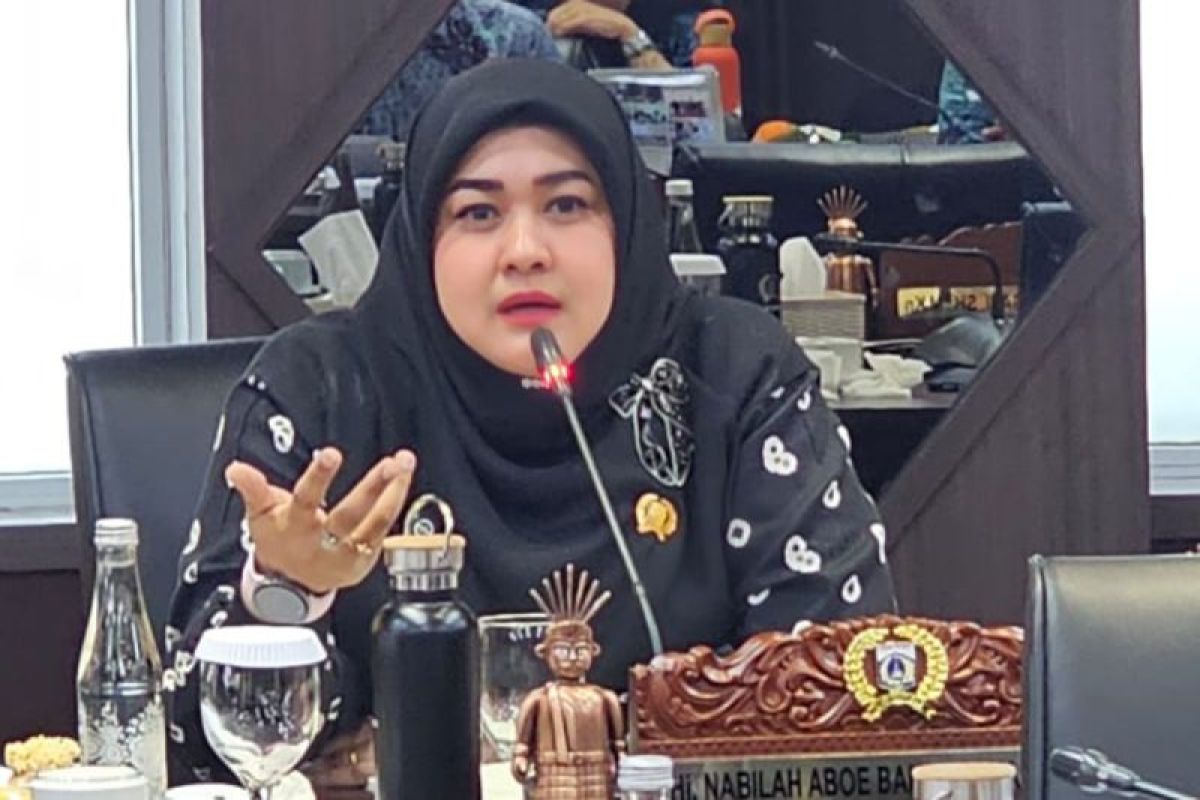
Jakarta (ANTARA) - Member of Commission D of the DKI Jakarta DPRD, Nabilah Aboebakar Alhabsyi, stated that the culture of sorting waste must begin in the government environment, including in sub-district offices, districts, and all Regional Work Units (SKPD), to set an example for the public.
“If we want the public to be disciplined in sorting waste from home, then government agency offices must first become examples. Do not let the campaign movement be strong, but the practice in the field is not yet consistent,” said Nabilah in Jakarta on Monday.
She also expressed full support for the Jakarta Governor’s instruction regarding the waste sorting movement from home starting 10 May, but this support comes with a firm note that the movement should not stop merely as a slogan.
She also assessed that the success of the waste reduction movement cannot be solely burdened on the public, while government offices have not fully provided an example in the daily implementation of waste sorting.
Nabilah emphasised that the government needs to demonstrate real standards so that the campaign has legitimacy in the eyes of the public.
She also highlighted the waste problem in Jakarta, which to this day still relies on downstream handling, especially at the Bantargebang Integrated Waste Processing Site. However, according to her, the root of the problem lies upstream, namely the suboptimal sorting from the source.
“As long as waste from homes is still mixed, the burden downstream will continue to pile up. Jakarta cannot continue to rely on Bantargebang. This is a momentum; we utilise it with various solution-oriented ways so that the waste problem can be resolved upstream,” said Nabilah.
She asserted that behavioural change will not run effectively without leadership by example from the government itself.
“The government must be present, not just through exhortations, but through real examples. Starting from government offices first, then the public will believe and follow the movement,” stated Nabilah.
Previously, Jakarta Governor Pramono Anung hoped that the source-based waste sorting programme could reduce the waste disposal burden at the TPST Bantargebang.
“Officially, the Jakarta Government is holding a waste sorting activity, in accordance with the Governor’s Instruction. This activity is not half-hearted because it runs simultaneously in five cities and also in the Thousand Islands to carry out waste sorting,” said Pramono.
According to him, if the waste sorting programme runs effectively, then the waste problems that have occurred in Jakarta so far can be handled quickly because with the separation of organic and inorganic waste, the waste disposal burden to TPST Bantargebang and the waste sent later will only be the residue.