
DKI Legislator: Education is the Primary Weapon Against Poverty
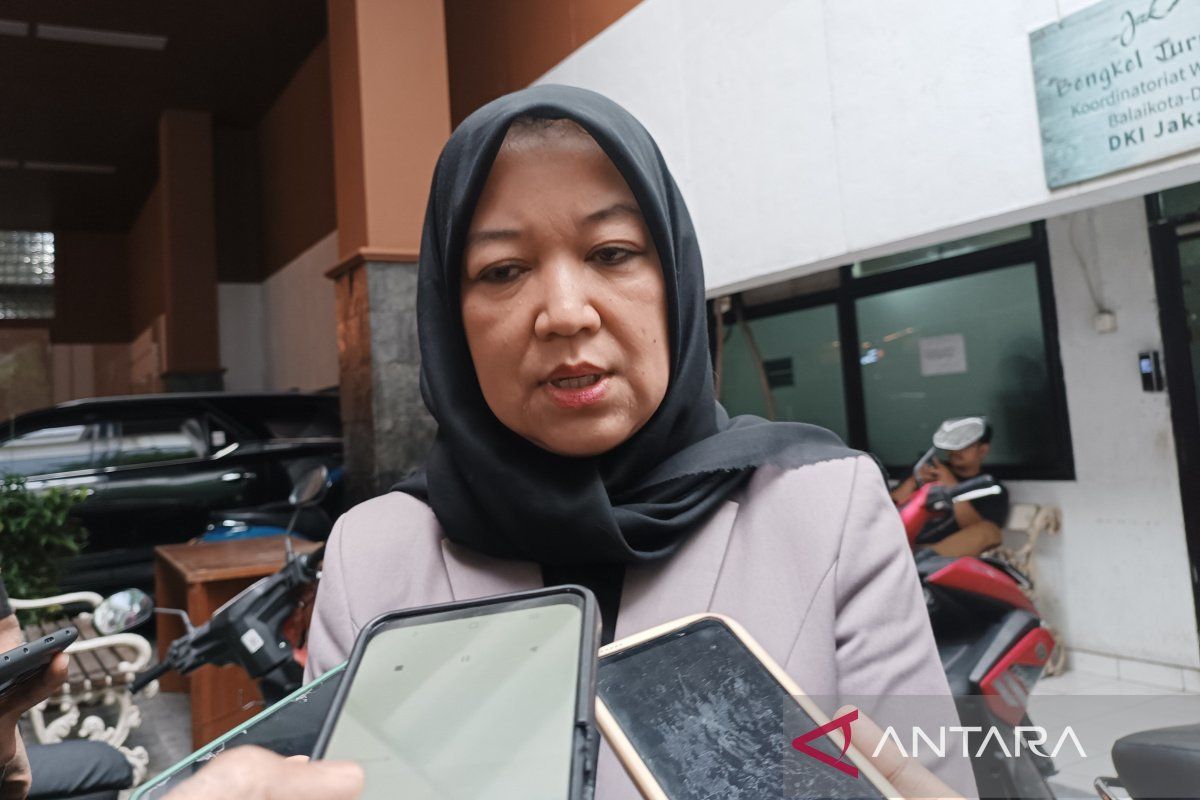
Jakarta - The Chair of Commission D of the DKI Jakarta DPRD, Yuke Yurike, stated that the total education budget allocation for 2026 in Jakarta amounts to Rp19.75 trillion, serving as an important instrument to suppress the Gini ratio and break the chain of poverty in the capital.
“The right of every Jakarta resident is to enjoy decent education. No child should drop out of school or even be illiterate in a city as large as Jakarta just because of their family’s economic condition. The state must be present there,” said Yuke in Jakarta on Sunday.
According to him, the momentum of National Education Day (Hardiknas) 2026 serves as an important foundation for the Provincial Government and DKI Jakarta DPRD to strengthen their commitment to enlightening the nation’s life.
Yuke appreciates the total education budget allocation for 2026, amounting to Rp19.75 trillion, as a concrete step in realising social justice.
According to Yuke, the size of this budget serves as an important instrument to suppress the Gini ratio while breaking the chain of poverty in Jakarta.
He assessed that social disparities can only be bridged if all children have equal access to education without being hindered by economic conditions.
From the total budget, the largest allocation of Rp14.94 trillion, or about 75 percent, is focused on personnel expenditure to ensure the welfare of teachers and education staff.
Yuke considers this step rational, given that the quality of education greatly depends on the competence and welfare of teaching personnel. Education, he said, is the ‘primary weapon’ in combating poverty.
In addition, education social assistance remains a priority, including KJP Plus allocated at Rp3.25 trillion for 707,477 students in Stage I of 2026.
Then, KJMU at Rp399 billion to support the continuity of education for 15,825 university students. The Free Private School (SSS) programme is also being expanded, with a budget of Rp253.62 billion for 103 pilot private schools to increase education capacity in Jakarta.
Yuke also highlighted the importance of equitable distribution of education infrastructure. Up to March 2026, six pilot schools in West Jakarta have been rehabilitated with a total budget of Rp126.12 billion, and the programme will continue until the end of the year.
“To address the still quite high Gini ratio challenge, the DKI Provincial Government must ensure that formal schools as well as learning package programmes are available to all levels of society,” he stated.
“Including strengthening vocational schools so that graduates have specific skills and can be directly absorbed into the workforce,” he added.
Furthermore, Yuke invited the public to utilise the various education facilities provided by the government. He also emphasised that Commission D will continue to oversee the budget distribution to ensure it is on target, transparent, and has a real impact on improving the quality of human resources in Jakarta.
“Strengthening vocational education so that graduates are work-ready. In addition, the availability of job opportunities is also a shared homework that needs to be continuously pursued,” he added.