
DKI Jakarta Government Urges Residents to Use Bamboo Baskets for Sacrificial Meat Distribution
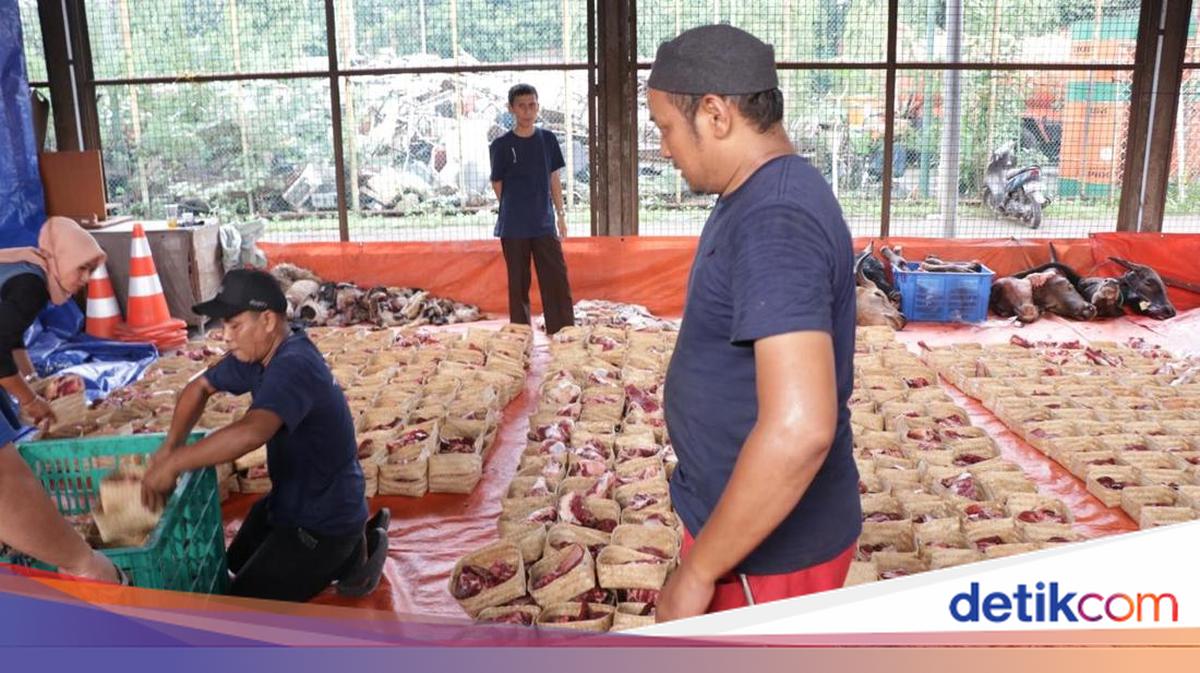
DKI Jakarta Environment Agency Head Dudi Gardesi stated that EcoQurban is a practice of sacrificial animal slaughter that considers environmental cleanliness from the slaughtering process to meat distribution to the public.
“EcoQurban aligns with Jakarta Governor Regulation No. 30 of 2025 on Guidelines for Sacrificial Animal Slaughter, not only in its implementation but also through the distribution phase of sacrificial meat,” Dudi said in a statement on Monday, 25 May 2026.
Dudi urged residents to reduce single-use plastic when distributing sacrificial meat. As alternatives, citizens are advised to use eco-friendly containers such as bamboo baskets (besek), banana leaves, jati leaves, or reusable containers.
“This step is crucial as Jakarta is expected to face a surge in waste during Eid al-Adha. Approximately 77,436 sacrificial animals are projected to be slaughtered in Jakarta this year,” he said.
This volume could generate significant waste, including animal blood, unused organs and body parts, and high water usage during slaughter and cleaning.
According to Dudi, each sacrificial animal requires 500-1,000 litres of water for cleaning. Additionally, meat production has a high water footprint, approximately 15 cubic metres of water to produce one kilogram of beef.
Therefore, the DKI Jakarta Environment Agency emphasises the importance of proper waste management to prevent pollution and waste accumulation during Eid al-Adha.
“Under Article 8 Paragraph 3 of Governor Regulation No. 30 of 2025, DLH is also responsible for monitoring waste and effluent management at sacrificial animal sales sites and slaughterhouses (RPH) across Jakarta,” he said.
For liquid waste, residents are advised not to let blood or rinse water spill into the surroundings. Animal blood should be collected in sealed containers and treated with disinfectants such as lime or chlorine to ensure environmental safety.
“Rinse water must also be confirmed free of blood to prevent waterway contamination and can still be used, for example, for watering plants,” Dudi said.
Meanwhile, unused animal organs and body parts should not be discarded carelessly. If land is available, organic waste can be buried in the ground with added disinfectant. Processing using Black Soldier Fly (BSF) maggots is also an alternative to reduce organic waste.
The Jakarta Environment Agency also urged residents to reduce food waste during the sacrificial process by cooking according to need and implementing a buffet-style system to prevent food wastage.
“Through the implementation of EcoQurban, we hope the sacrificial ritual will not only bring social and religious benefits but also serve as an opportunity to enhance environmental awareness and reduce waste generation in Jakarta,” he added.