
DKI Information Commission: Implementation of informative zones is the obligation of public bodies
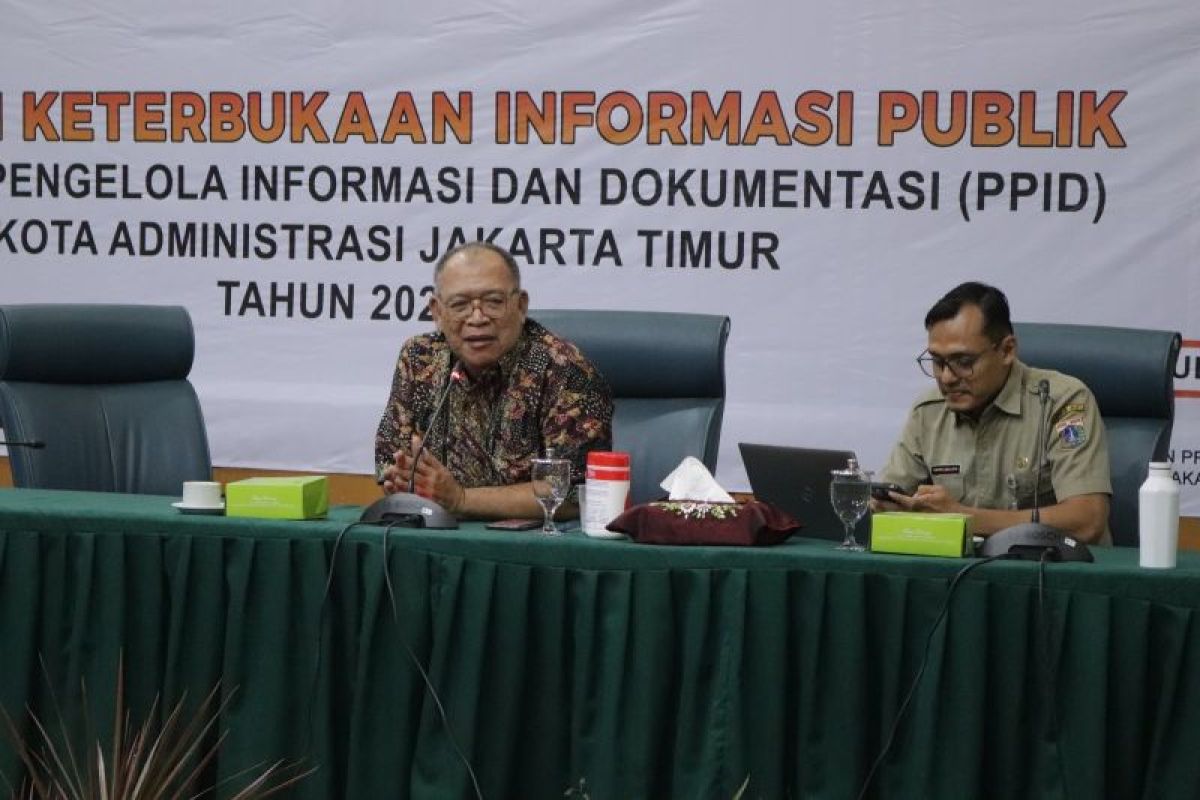
Jakarta (ANTARA) - The DKI Jakarta Information Commission (KI) has reminded that the implementation of informative zones is an obligation for every public body, not merely an annual assessment target.
“Informative zones are not the end goal, but an obligation. This is not a burden, but something that must be realised by every public body,” said KI DKI Jakarta Commissioner for Education, Socialisation, and Advocacy (ESA), Ferid Nugroho, in Jakarta on Wednesday.
According to him, this serves as encouragement for all public bodies to further strengthen the implementation of information openness.
“Informative zones should not be viewed as an administrative burden, and this standard is a form of public bodies’ responsibility in guaranteeing the public’s right to easily accessible information,” he said.
He explained that this commitment is a direct implementation of the mandate of Law No. 14 of 2008 on Public Information Disclosure.
Ferid assessed that the presence of Information and Documentation Management Officers (PPID), both online and through service counters, is evidence that public rights to information are a priority.
According to him, this instrument is used to encourage public bodies to be more prepared in consistently applying information service standards.
KI DKI Jakarta has issued a circular based on e-Monev as a form of strengthening and encouragement, ensuring that public bodies are not only informative during assessments but truly consistent in serving the public openly.
He added that good implementation of informative zones not only improves service quality but also builds a positive image for public bodies in the eyes of the public.
“The more open a public body is, the higher the public’s trust. In the current era, transparency is the key to reputation,” he stated.
KI Jakarta will continue to conduct education, assistance, and monitoring so that all public bodies in Jakarta can maintain and improve the quality of information openness.
“The goal is not merely to achieve the informative predicate, but to ensure that the public’s right to information is fully and sustainably fulfilled,” he said.