
DKI Health Office Identifies 4 Hantavirus Cases in Jakarta: 3 Recovered, 1 Still Suspected
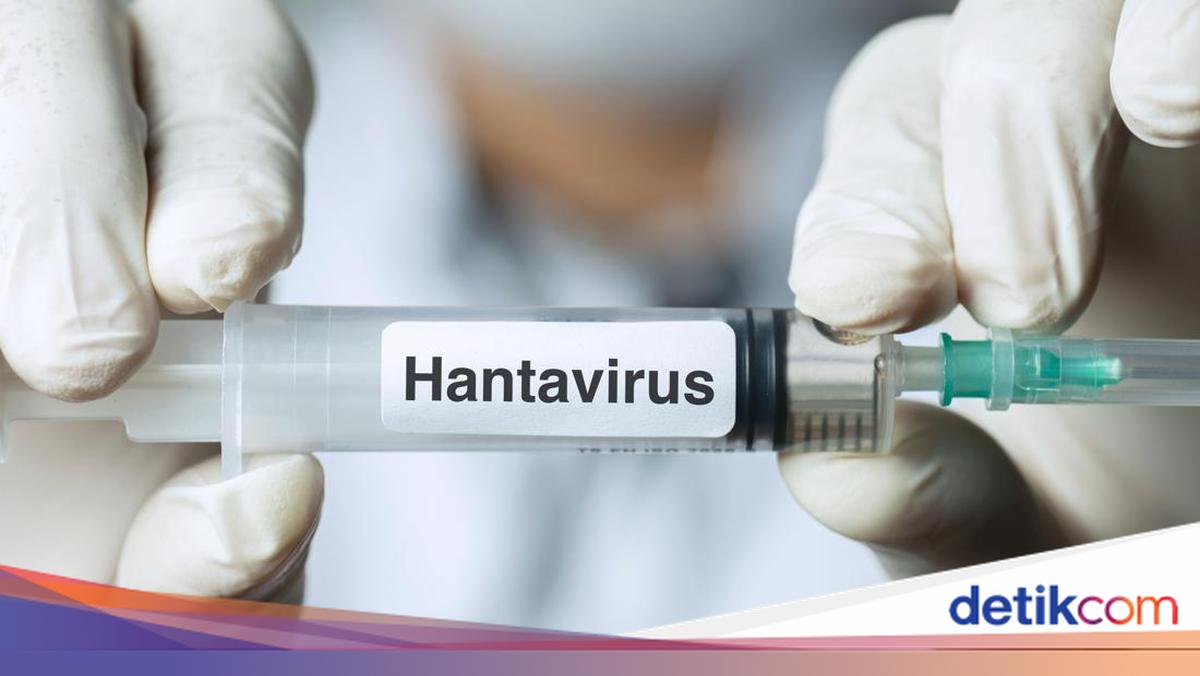
In the records for 2026 up to now, there have been four cases that we have identified; three individuals have already recovered with mild symptoms. One individual is currently still suspected, and the diagnosis must be confirmed through laboratory testing; it is not yet definite, still suspected,” said Ani at the DKI Jakarta DPRD on Monday (11/5/2026). Ani explained that hantavirus is not a new disease. The virus has long been monitored and differs from COVID-19, which is classified as a new emerging disease. “Hantavirus is actually an old virus; it is not a new virus. So it is different from COVID, which was indeed a new emerging one; this is actually an old virus that has been continuously monitored every year,” she stated. She described that hantavirus transmission generally comes from rats to humans, through saliva, urine, or rat faeces that contaminate the environment and are inhaled by humans. “Transmission is through rats, saliva, urine, rat faeces that contaminate to humans or then the dust is inhaled by humans,” she clarified. Ani said there are many variants of hantavirus. However, the variant that can transmit between humans is only the Andes type, found in South America, and has not been found in Indonesia to date. “The one that transmits between humans is only one variant to date according to WHO’s explanation, only the Andes one, found in South America. And Andes has not been present in Indonesia so far,” she added. Regarding the one suspected case still being monitored, Ani said the patient is being handled with a precautionary principle through isolation while awaiting laboratory examination results. So far, all hantavirus cases in Jakarta have shown mild symptoms. “If ill, yes, in a special room, in an isolation room because it falls under infectious diseases,” she said. The DKI Provincial Government, Ani continued, continues to educate the public to prevent hantavirus transmission. Residents are urged to maintain environmental cleanliness, regularly wash hands, use masks when in locations at risk of rat exposure, and maintain immune strength. “The important thing is actually not to panic but to be alert. The important thing is how we maintain a clean and healthy lifestyle,” she added.