
DKI DPRD Urges Installation of E-Parking Traps in Malls to Prevent Revenue Leakage
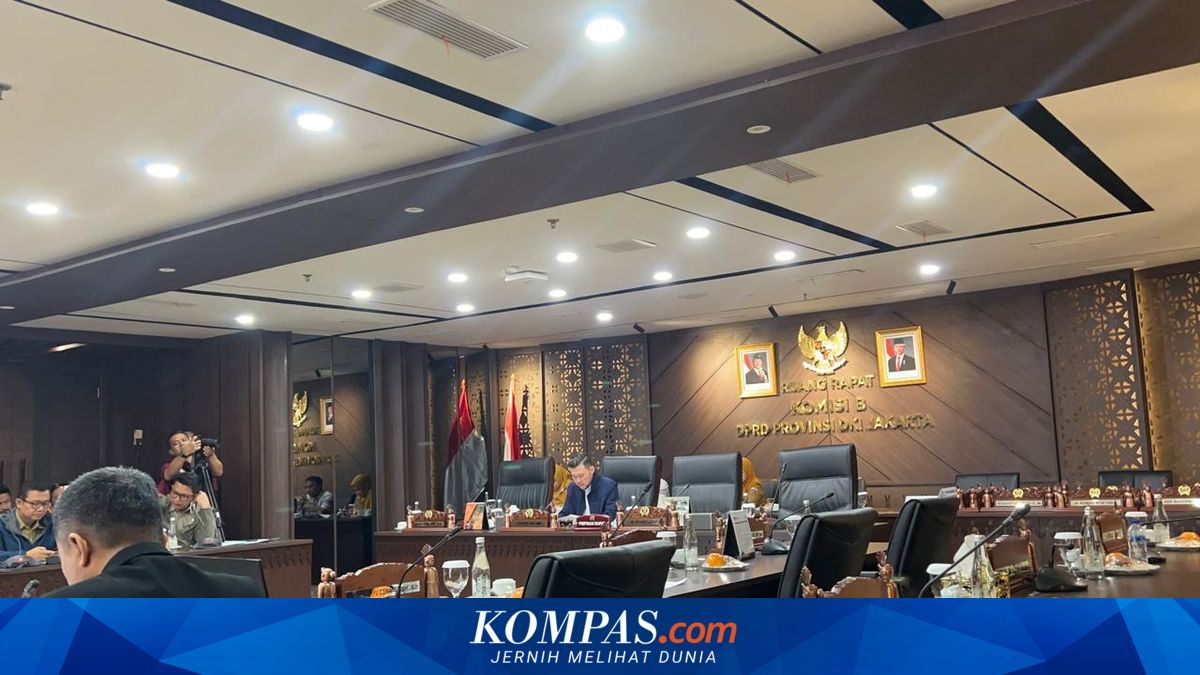
JAKARTA - The DKI Jakarta Regional People’s Representative Council (DPRD) is urging the acceleration of the installation of electronic parking systems (e-trap) in shopping centres. This system is deemed essential to prevent revenue leakage from the parking sector. The demand was voiced during a meeting of the DPRD DKI Jakarta’s Special Parking Committee (Pansus) on Tuesday (28/4/2026). The Chairman of the Special Parking Committee, Jupiter, stated that Jakarta’s current parking system is not fully transparent. “This e-trap must be installed immediately and can be monitored directly (real-time), as well as connected to the Regional Revenue Agency (Bapenda). The aim is to ensure transparency and prevent data manipulation,” said Jupiter on Tuesday. This is because such locations have significant potential to increase regional revenue. “It could be installed in large malls, in shopping centres for example at Grand Indonesia, Plaza Indonesia, then Plaza Senayan, which we consider busy shopping hubs, including Senayan City,” Jupiter remarked. During the meeting, the DPRD also highlighted the parking system that is still not integrated. Although some places already use non-cash payments, parking revenue data is still collected manually at each location and then summarised monthly. This situation is considered risky as it can cause delays in reporting and revenue leakage. In addition, the DPRD assessed that the operational costs of several parking areas are extremely wasteful. One example is the management of parking at a hotel in the Cikini area. Based on the data presented, the parking revenue at that location only reaches Rp 408 million per year, while operational costs reach Rp 563 million per year. “At Hotel Mercure, it incurs a loss of Rp 70 million with annual operational costs of Rp 299 million,” he said. With the introduction of e-trap, the DPRD hopes that parking management can become more efficient. Besides being more transparent, the use of this technology can also reduce reliance on numerous attendants.