
DKI BPBD States Cipedak Area in South Jakarta is Prone to Drought
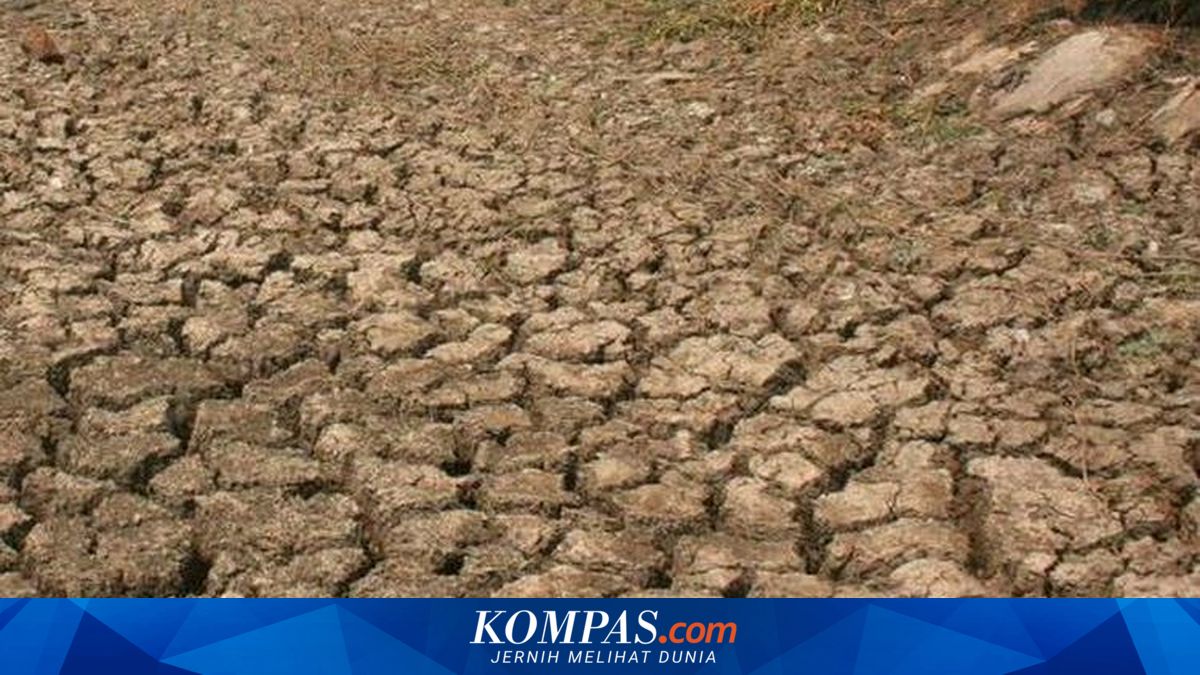
JAKARTA - The Jakarta Regional Disaster Mitigation Agency (BPBD DKI) has recorded that the Cipedak area in Jagakarsa, South Jakarta, is one of the regions prone to drought during the dry season. BPBD DKI states that the 2026 dry season is predicted to occur from late April to October, due to the El Nino phenomenon. “Actually, the task force has already informed that it is too extreme as imagined. But there is, that in Cipedak subdistrict, Jagakarsa,” said the Head of the Data and Information Centre of BPBD DKI Jakarta, Mohammad Yohan, in his statement on Friday (24/4/2026). According to Yohan, the drought in the area is more influenced by natural factors, particularly the loss of raw water sources in the soil. Yohan revealed that the drought incident was most felt during the 2023 to 2024 period. At that time, several areas in Cipedak were significantly affected. Some points in the area include the RW covering three RTs, namely RT 014, RT 01, and RT 013. In addition, the Lenteng Agung area also experienced similar conditions, specifically in RW 8 covering RT 3, RT 4, and RT 7. “If seen in 2023, the extreme was in 2023, the trending incident 2023-2024. But we anticipate in 2026, so that the incident (drought) does not happen,” said Yohan. According to him, the groundwater source in the area is at a fairly deep layer and blocked by rock layers. “When the water is lower than that rock layer earlier, automatically it will be difficult to get clean water, especially during the dry season when the water supply decreases,” he explained. During the 2023 drought incident, BPBD together with PAM Jaya relied on distributing clean water using tanker trucks to meet the needs of residents. “Now there should be water tanks, so residents can not only take water when the tanker arrives. The tank can be used to supply water there,” he said. According to Yohan, this step is important so that residents have water reserves and do not fully depend on emergency distributions when the dry season arrives.