
DKI BPBD Identifies 5 Most Fire-Prone Sub-Districts, 80% Triggered by Short Circuits
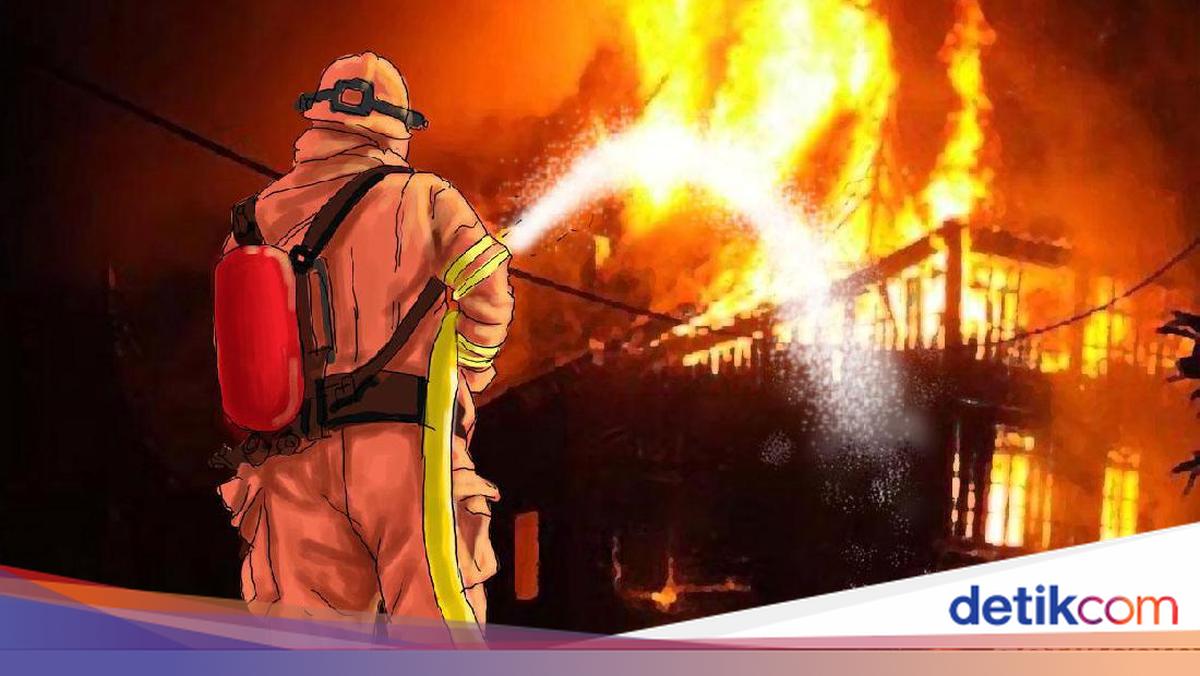
The Jakarta Regional Disaster Mitigation Agency (BPBD DKI) has recorded five sub-districts with the highest frequency of fires over the period 2021-2025. These areas are Kapuk, Cengkareng Timur, Penjaringan, Pegadungan, and Pulo Gebang.
The Head of the Data and Information Centre (Kapusdatin) of BPBD DKI Jakarta, Muhannad Yohan, stated that the high number of fires in these areas is influenced by several factors with similar patterns.
“BPBD DKI Jakarta has recorded that from 2021 to 2025, the five sub-districts most frequently reported to experience fires are Kapuk, Cengkareng Timur, Penjaringan, Pegadungan, and Pulo Gebang,” Yohan said in his statement on Friday (24/4/2026).
“In general, there are several main factors that trigger the high frequency of fires in these areas,” he continued.
He explained that electrical issues are the dominant cause of fires in Jakarta. Based on data, around 70-80 percent of fire incidents are triggered by electrical short circuits.
In several areas, such as Kapuk and Penjaringan, this condition is worsened by electricity usage exceeding capacity and non-standard installations, especially in densely populated residential areas.
Additionally, building density is a major factor. Many houses are built close together with easily combustible materials such as wood and plywood, causing fires to spread quickly and be difficult to control.
“The very close distance between buildings makes the fire spread very quickly before firefighters arrive at the location,” he said.
BPBD also highlighted home industry activities and warehousing in areas like Cengkareng Timur, Pegadungan, and Pulo Gebang. Storage of flammable materials such as fabrics, plastics, and chemicals without adequate protection systems increases the risk of large-scale fires.
Other influencing factors include geographical conditions and infrastructure. Narrow road access and limited water sources often hinder the extinguishing process, allowing small fires to develop into major blazes.
On the other hand, human negligence remains a significant cause. Unsupervised stove use and rubbish burning practices are common triggers in the field.
To reduce the fire rate, BPBD together with the Jakarta Fire and Rescue Agency (Gulkarmat) has implemented several mitigation measures. These include forming Firefighting Volunteers (Redkar) and installing Automatic Current Breaker Lights (LOVA) to anticipate electrical short circuits.
“Mitigation efforts continue to be carried out, especially in high-risk areas, to reduce fire risks,” he concluded.