
Diverse traditions on the 27th night of Ramadan across the archipelago
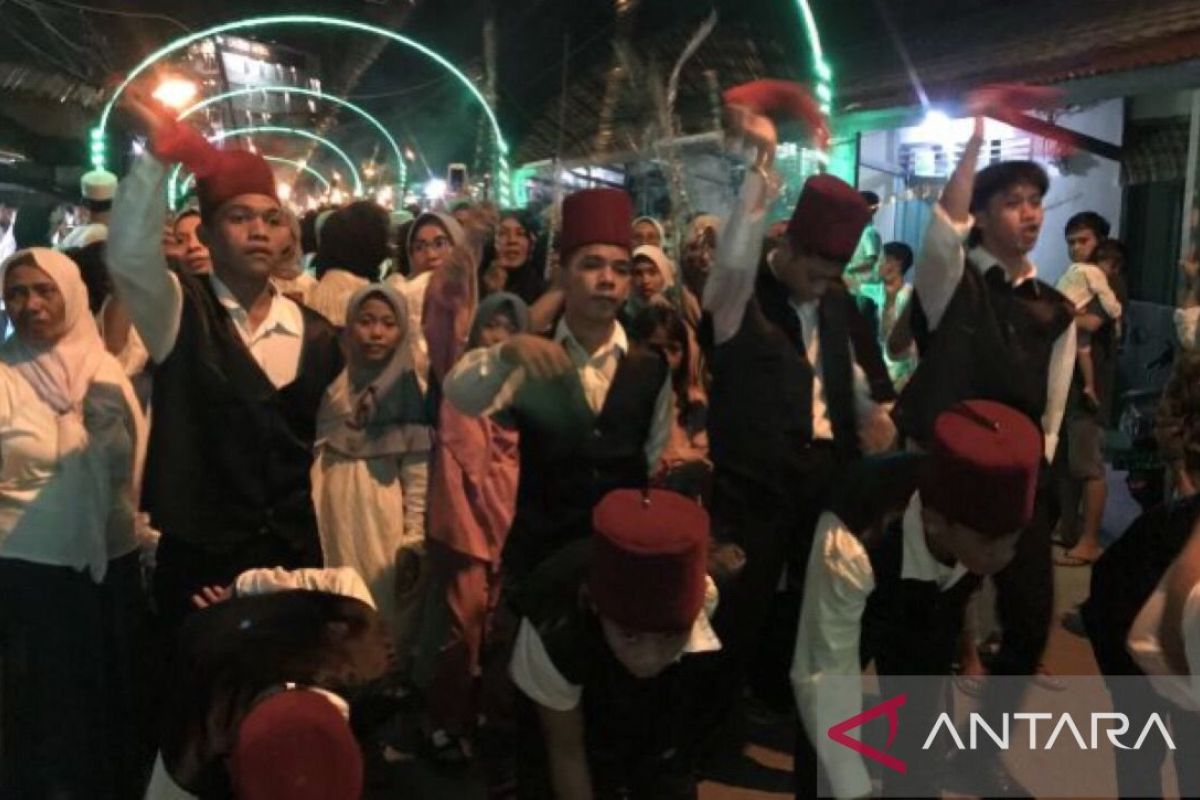
Cultural practices that emerge from communities, as evidenced in the tradition of the 27th night of Ramadan in Maluku, exemplify how religion and culture can advance together in creating harmonious living.
The 27th night of Ramadan, known in the Maluku archipelago as “tujuh likur” (the night of twenty-seven), serves not merely as a marker of the approaching end of the holy month, but also becomes a space where religious values and living cultural heritage converge in the pulse of community life.
In Batu Merah village, Ambon, welcoming the tujuh likur night, the tradition of presenting “dulang” (decorated platters) of food by nine indigenous clans continues to be preserved as part of a collective ritual rich with meaning. Platters containing various foods and fruits are carried from residents’ homes, through village streets, before finally being gathered for communal consumption at An-Nur Mosque, known as Ambon’s first mosque.
Each platter is decorated with distinctive ornaments and clan name markers—Lebeharia, Hatala, Masahoy, Lisaholet, Tahalua, Nurlete, Waliulu, Namang, and Hunsow—serving as symbols of identity and affirmations of kinship bonds. This procession is not merely a ceremonial tradition but also embodies powerful values of togetherness.
Before the communal meal, residents conduct a “khataman Al Quran” (Quranic completion) recitation, alternated among mosque youth and clan representatives, culminating in a prayer for wellbeing. After prayers are offered, the atmosphere becomes lively as children rush toward the platters, vying for food, fruit, and ornaments decorated with paper money.
Batu Merah’s village chief, Ali Hatala, stated that the dulang presentation tradition is an ancestral legacy. He explained that the activity represents thanksgiving, whereby residents bring food to be enjoyed together as an expression of gratitude for blessings received throughout the year.
He also noted that the tradition plays an important role in strengthening bonds between clans in Batu Merah, meaning it holds not only religious but also social value.
Each observance of tujuh likur in Batu Merah consistently evokes profound emotion among residents, given that such gatherings have become increasingly rare, particularly in urban areas.
This simple yet meaningful tradition brings joy difficult to find elsewhere, and remains an important reason to continue its preservation.