
Disregarding Expert Warnings Led to Catastrophe When Massive Tsunami Struck Japan's Nuclear Plant
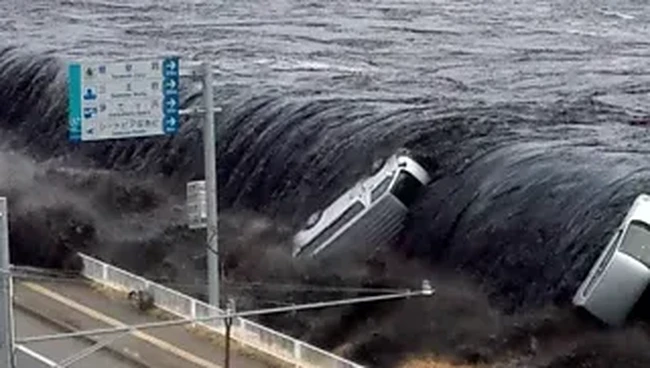
Today marks exactly fifteen years since Japan was struck by a massive magnitude 9 earthquake that lasted approximately six minutes. The earthquake, centred off Japan’s eastern coast, subsequently triggered a tsunami reaching heights of up to 40 metres.
The enormous waves swept across coastal regions and destroyed numerous cities, including areas surrounding the Fukushima Nuclear Power Plant (PLTN).
As a result, the disaster did not end with the tsunami itself.
Severe damage to the nuclear power plant triggered a new crisis: radiation leakage. Radiation spread to a radius of approximately 20 kilometres from the reactor site. Consequently, tens of thousands of residents were forced to abandon their homes. This tragedy compounded the suffering caused by the tsunami itself, which had killed approximately 18,500 people in what became known as the 2011 Fukushima Nuclear Disaster.
Although the nuclear radiation leak reportedly did not cause direct deaths, poor medical management led to at least 50 reported deaths related to radiation exposure.
The nuclear reactor failure in a country known for strict discipline like Japan prompted numerous questions about how such a massive crisis could occur.
One frequently cited explanation is an excessively hierarchical workplace culture. In many Japanese organisations, subordinates tend to avoid conflict with superiors and attempt to please their managers. In Indonesia, this is recognised as the phenomenon often called “asal bapak senang” (keeping the boss happy) or ABS. This attitude frequently prevents criticism or warnings from being communicated openly.
This culture is partly traced to Japan’s old business conglomeration model called Zaibatsu. According to the Britannica website, in this system, large companies were typically controlled by founding families. Important management positions were often filled by individuals close to the owner’s family, requiring other employees to be extremely cautious when expressing criticism or differing opinions.
Such a situation also occurred in the management of the Fukushima nuclear plant. Several reports from The New York Times indicate that weeks before the disaster, experts had already identified indications of vulnerability in the reactor’s cooling system.
If a major earthquake occurred, such damage could potentially cause the cooling system to fail and dangerously increase the temperature of the reactor core. This is precisely what happened during the earthquake fifteen years ago.
However, these findings were not immediately acted upon seriously. The plant management allegedly did not undertake major repairs or consult additional experts. Information about these vulnerabilities was not elevated to strategic management decisions. Many chose to remain silent due to fears about professional consequences, including possible sanctions or job loss.
Several Japanese academics had previously recommended that nuclear facilities in earthquake-prone areas be strengthened. They suggested higher resilience standards against major earthquakes and tsunamis. Unfortunately, these recommendations never developed into actual policy and largely remained confined to academic studies.
“Japan underestimated tsunami risk through a series of stupid mistakes that caused the disaster,” said Costas Synolakis, Professor of Civil Engineering at the University of Southern California.
Ultimately, the lesson from the Fukushima nuclear incident is that ignoring the combination of significant natural hazards and an overly closed organisational culture can result in catastrophe that causes far greater damage.