
Dishub Assures Kayangan–Poto Tano Ferries Are Safe for Mudik
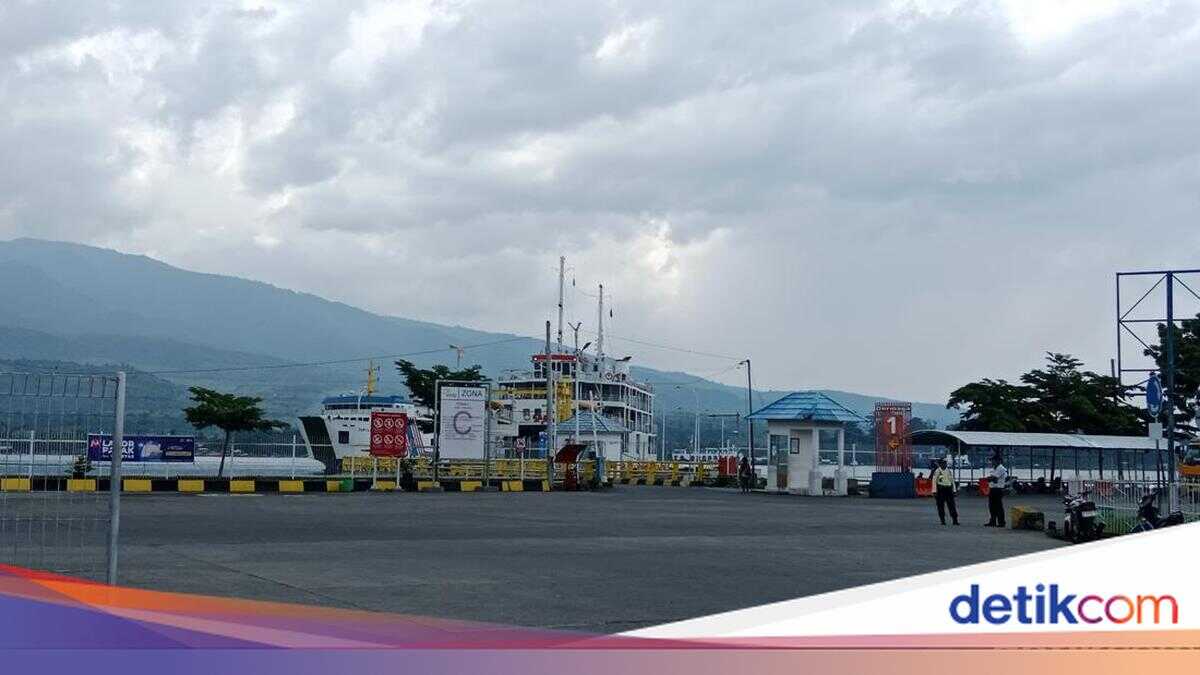
Department of Transportation (Dishub) of West Nusa Tenggara (NTB) has ensured that all crossing vessels on the Kayangan Port, East Lombok, to Poto Tano Port, Sumbawa, are fit to operate to serve the 2026 mudik traffic. Dozens of ships have been prepared to anticipate the surge in passengers.
Secretary of NTB Dishub Chairy Chalid Yanto said monitoring results show vessels in operation have met the eligibility standards. Some have recently completed docking and are under joint supervision with KSOP.
“Based on our monitoring, because at Kayangan Port, the vessels are already fit and ready to serve mudik travellers. Some have just come out of docking and are already under observation by transport colleagues with KSOP,” Chairy told detikBali at Kayangan Port, Thursday (5/3/2026).
He emphasised that not only sea transport, land and air transport in NTB are also ensured to be safe and fit for use during the mudik period.
“All modes of transport in NTB, whether land, sea, or air, as of now we still declare are fit. and can provide safety, comfort and security for travellers,” Chalid said.
To support smooth mudik flow, NTB Dishub will establish several service posts at transport hubs. The posts will be prepared at terminals, airports, and ports.
“At each transport hub we will establish service posts, clearly Lombok has several transport nodes such as at terminals there are several terminals; there are hubs including at the airport and port, at every transport hub we will prepare posts,” Chalid said.
ASDP Prepares 26 Ships
Meanwhile, General Manager of PT ASDP Indonesia Ferry (Persero) Kayangan Branch, Erlisetya Wahyudi, said they have prepared 26 ships to serve mudik traffic on the Kayangan-Poto Tano route.
“There are 26 ships that are ready, later these ships will serve those who will cross from Kayangan Port to Poto Tano, and vice versa,” Erli said.
He predicts peak mudik flow will occur from H-5 to H-3 of Eid. To anticipate the surge in passengers, several harbour facilities have been renovated.
“Assuming peak mudik flow is H-5, H-4, and H-3. We have already upgraded several facilities to serve the mudik travellers,” Erli added.