
Discussions on Cutting State Officials' Salaries Must Be Accompanied by a National Fiscal Discipline Movement
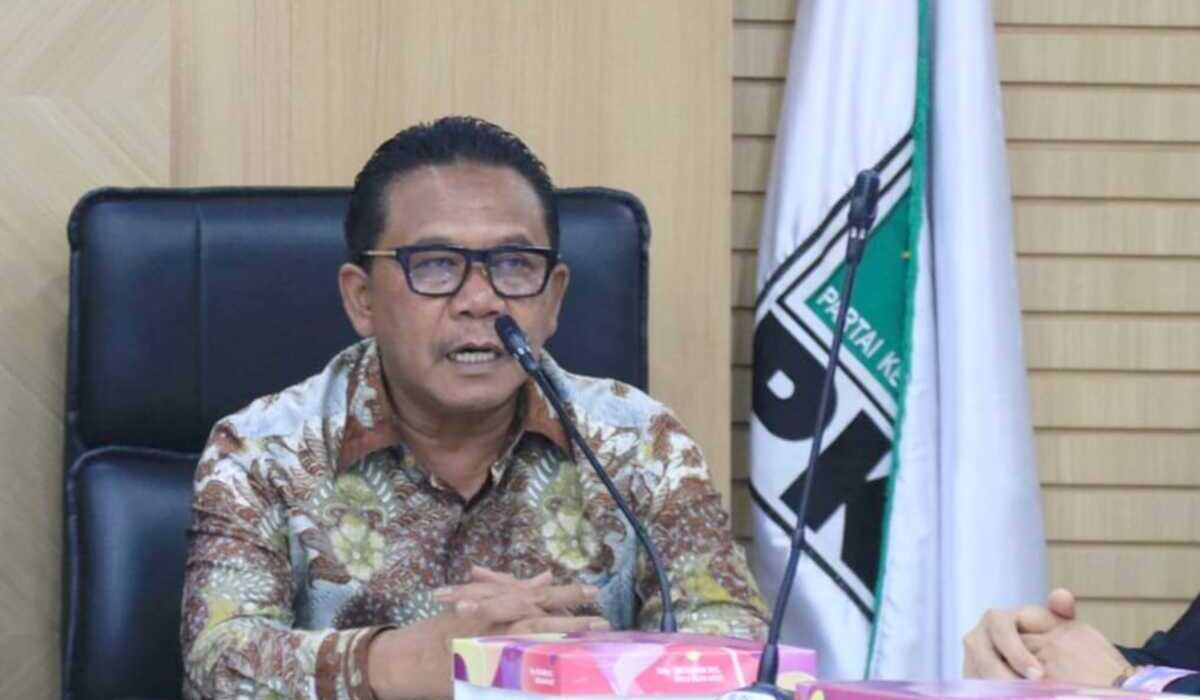
Member of Commission II of the Indonesian House of Representatives (DPR RI), Ali Ahmad, has responded to the government’s consideration of salary cuts for state officials up to ministers as a cost-saving measure amid the impacts of the Middle East conflict.
According to him, the proposal to cut salaries of state officials being reviewed by President Prabowo Subianto should be viewed as a moral signal that in uncertain global situations, leaders must lead by example in showing empathy and solidarity with the people.
“When the public is asked to prepare for economic impacts, officials also need to demonstrate their willingness to sacrifice,” said Ali Ahmad in a written statement received on Thursday (19/3).
He explained that salary cuts for officials, ministers, or DPR members indeed carry strong symbolic value. However, fiscally, their contribution to the state budget is relatively small. Therefore, this step needs to be positioned as a message of moral leadership, not the sole economic policy instrument.
Ali reminded that geopolitical conflicts in the Middle East have the potential to affect global energy prices, international supply chains, and the economic stability of various countries, including Indonesia. For that reason, he assessed that the cost-saving discourse needs to be expanded into a national fiscal discipline movement.
“In situations like this, the cost-saving discourse must be expanded into a national fiscal discipline movement, starting from ministerial spending efficiency, strengthening programme priorities, to controlling budget waste,” he said.
According to him, if the policy of cutting officials’ salaries is truly implemented, that step could serve as an example of leadership that sets a precedent for the public, not merely an administrative policy.
Nevertheless, he stressed that the most important thing is to ensure that the state budget remains capable of protecting society from the impacts of global economic turmoil, especially vulnerable groups, MSMEs, and productive sectors most affected by global volatility.
Ali also emphasised the importance of transparent communication to the public if the policy is truly implemented. With good communication, the policy can become a symbol of national unity in facing the global crisis.
“The current global situation should be a momentum to strengthen reforms in state budget management, enhance bureaucratic efficiency, prioritise programmes that truly impact the people, and ensure every rupiah of the state budget provides maximum benefits for development,” he asserted.