
Discussing the GDPK 2025–2045 Draft Regional Regulation, Pansus 11 of Bandung City DPRD Highlights Threat of Declining Birth Rates in Bandung
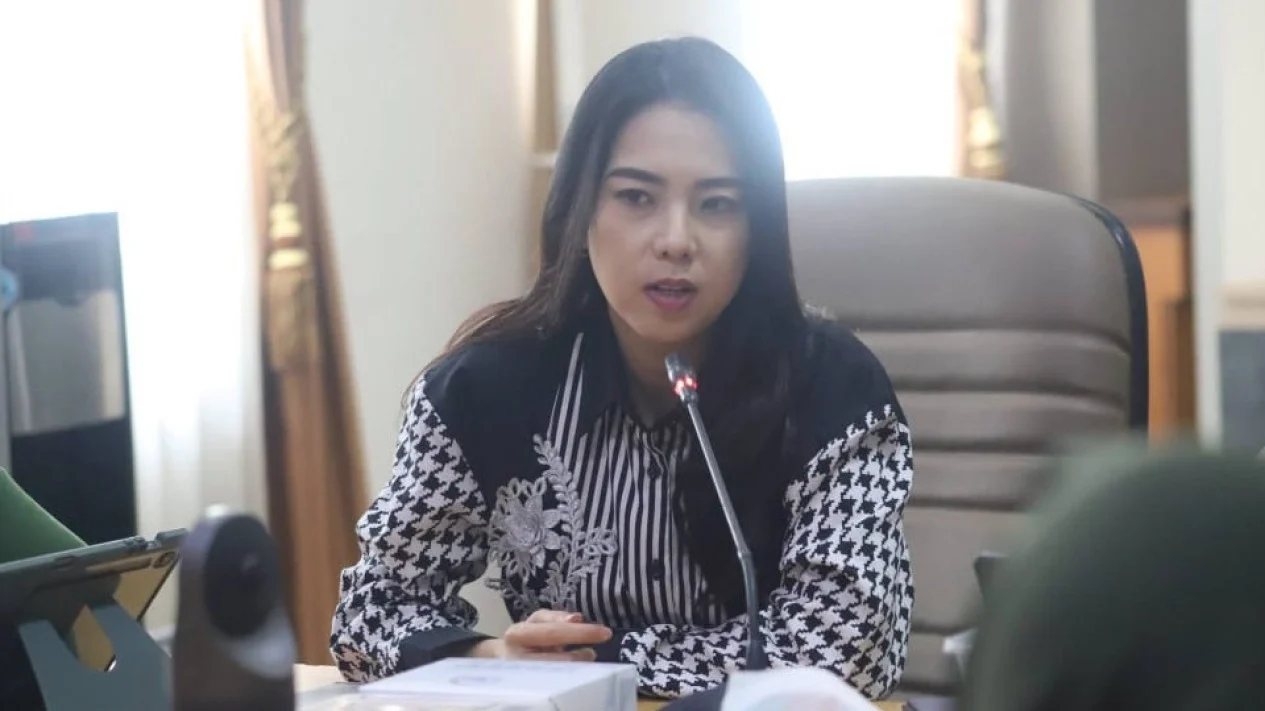
Bandung, VIVA – The Special Committee (Pansus) 11 of Bandung City DPRD continues to sharpen the discussion of the Draft Regional Regulation (Raperda) on the Grand Design of Population Development (GDPK) 2025–2045. A number of inputs from the central government to the latest policy dynamics are a focus in drafting the regulation.
Member of Pansus 11 of Bandung City DPRD, Sherly Theresia, A.Md.Keb., S.ST., M.A.R.S., MM, said the discussions so far have received many inputs, including from the National Development Planning Agency (Bappenas). In the near future, the central government is also said to be issuing a Presidential Regulation (Perpres) related to the grand design of population development.
“God willing, it will be finished by the end of March. The latest information, June or July, a Perpres on the grand design of population development will be issued. Therefore we must make adjustments so that this Raperda is aligned and can be translated into a Perwal or Perda,” he/she said.
According to Sherly, several points in the initial draft have been simplified and adjusted to be more effective and not overlap with central regulations.
One of the biggest tasks highlighted is the trend of declining birth rates in Bandung.
He/She assesses that this phenomenon needs serious attention because it could affect the city’s demographic structure in the long term. “The marriage rate is relatively still high, but the desire to have children is actually decreasing. If this continues, in ten years the population structure could be dominated by older people,” he said.
Sherly emphasised the importance of educating the younger generation about family life. According to him, having children is not a burden if prepared properly.
“At least two children are enough. That’s much better than none at all. There needs to be an understanding that marriage and having children are not as scary as imagined,” he noted.
He also mentioned changes in lifestyle and the influence of foreign cultures that are considered to be affecting the mindset of the younger generation. The pressure of social media, liberal lifestyle, and the notion that having children is a burden are challenges in population development.
Therefore, the government must prepare comprehensive regulations, especially in the education sector and improvement of human resources.
“Population is not just about quantity, but quality. Readiness from birth, access to education, and readiness to enter the workforce must be ensured,” he stressed.