
Discussing Asset Forfeiture Bill in Parliament, Expert Highlights Reverse Burden of Proof
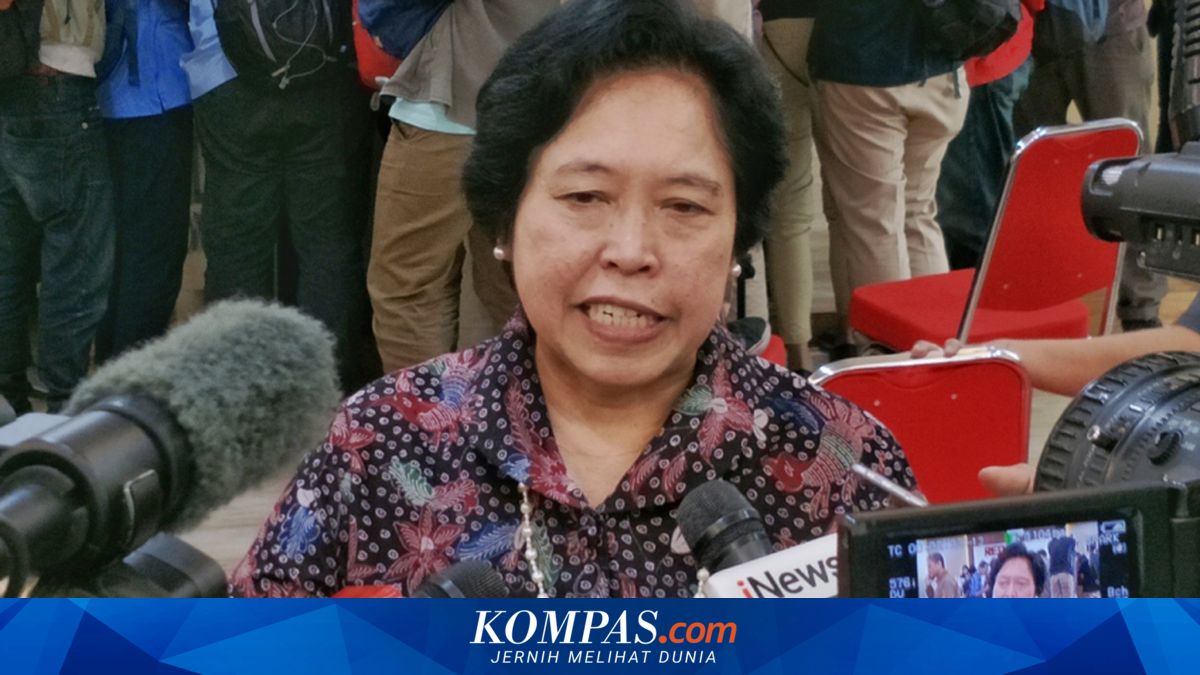
JAKARTA, KOMPAS.com - A legal expert from the University of Indonesia, Professor Harkristuti Harkrisnowo, has highlighted several crucial aspects that need attention in the formulation of the Asset Forfeiture Bill (RUU Perampasan Aset), one of which concerns the reverse burden of proof.
“In asset recovery law, the reversal of the burden of proof shifts the responsibility from the state to the defendant to prove that the assets were obtained legally,” said Harkristuti Harkrisnowo during a public hearing with Commission III of the House of Representatives (DPR RI) on Monday (20/4/2026).
According to her, this mechanism can strengthen law enforcement by making it more difficult to conceal illegal assets, including through procedural delays.
Furthermore, if combined with asset-based seizures without a preceding court decision (in rem), its effectiveness is deemed even higher.
In addition, Harkristuti also addressed procedural law aspects in the bill.
She criticised the investigators’ authority to request documents from various parties without adequate limitations.
“This is somewhat dangerous if investigators are given free rein to request documents from anywhere,” she said.
She believes there needs to be a safeguarding mechanism, such as court approval (judicial oversight), to ensure that document requests are made proportionately and not abused.
Furthermore, Harkristuti highlighted protections for third parties who may be affected.
She mentioned three main issues: the heavy burden of proof, inadequate compensation mechanisms, and the weak legal position of third parties in trials.
According to her, compensation provisions should not only cover the asset’s value but also immaterial losses such as reputation and lost business opportunities.
Moreover, the position of third parties needs to be strengthened to align with the principle of equality before the law (equality of arms).
Another concern is the concentration of authority in the Attorney General’s Office for asset management. In the bill, the Attorney General’s Office holds roles from seizure, management, to the sale of assets.