
Discovering the Argo Bromo Anggrek Executive Train: History, Route, and Ticket Prices
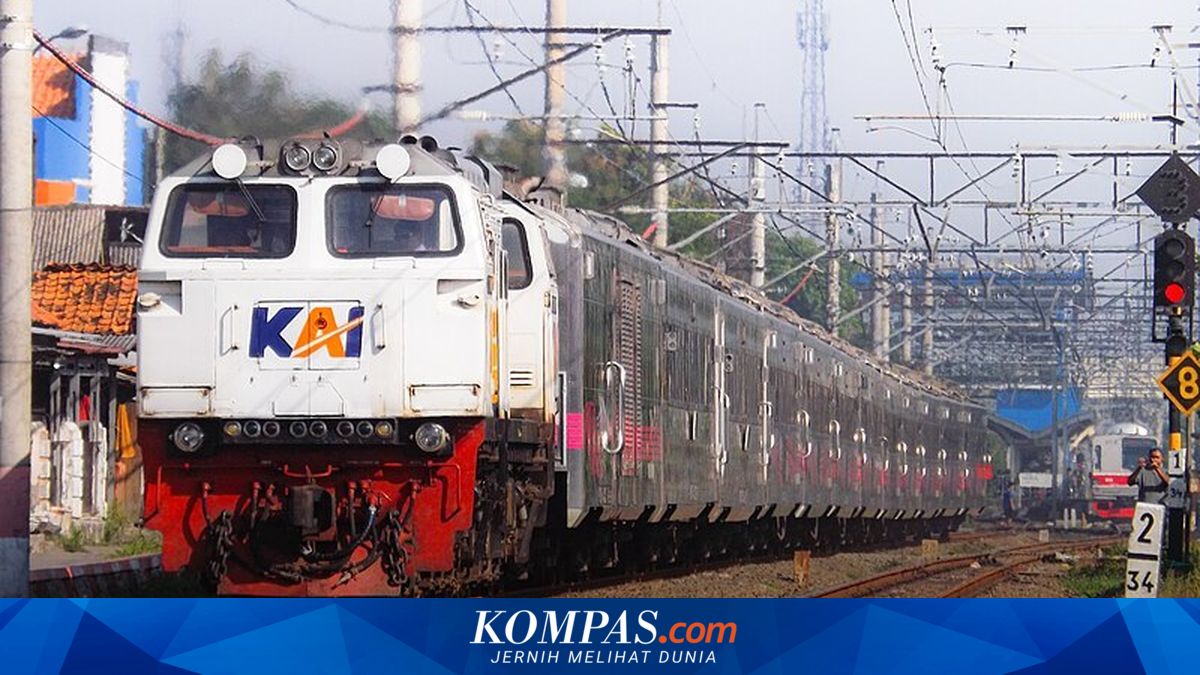
A train accident has occurred again in East Bekasi. According to Kompas.com reports on Monday (27/4/26), at around 20:52 WIB, the Argo Bromo Anggrek train travelling from behind collided with a KRL Commuter Line train that was stationary on the track. The collision was so severe that the last carriage of the KRL, known to be a women-only carriage, was crushed. Preliminary data records at least seven people dead and more than 80 others injured, some of whom had to be evacuated while trapped among the wreckage. According to reports, all passengers on the Argo Bromo Anggrek train were reported safe, while the majority of victims came from the KRL that was stopped due to a track disruption, suspected to have been triggered by an earlier incident at a level crossing. Connecting two major cities in Indonesia, Jakarta and Surabaya, this train is a mainstay for businesspeople and tourists alike. Citing information from the PT Inka website, the Argo Bromo Anggrek train was first inaugurated on 24 September 1997. The name “Argo Bromo” is taken from the iconic Mount Bromo in East Java, while “Anggrek” is taken from the orchid flower symbolising beauty and elegance. From the outset, this train has been positioned as the highest class executive service. Indeed, the train is synonymous with an elegant exterior design and highly competitive travel times compared to other land transport options. The Argo Bromo Anggrek train serves the Gambir (Jakarta) - Surabaya Pasar Turi (return) route via Java’s northern line. This route offers captivating views of the northern coastal shoreline, especially when passing through the Semarang to Pekalongan areas. Some of its main stopping stations include: