
Discourse on Renaming West Java Province
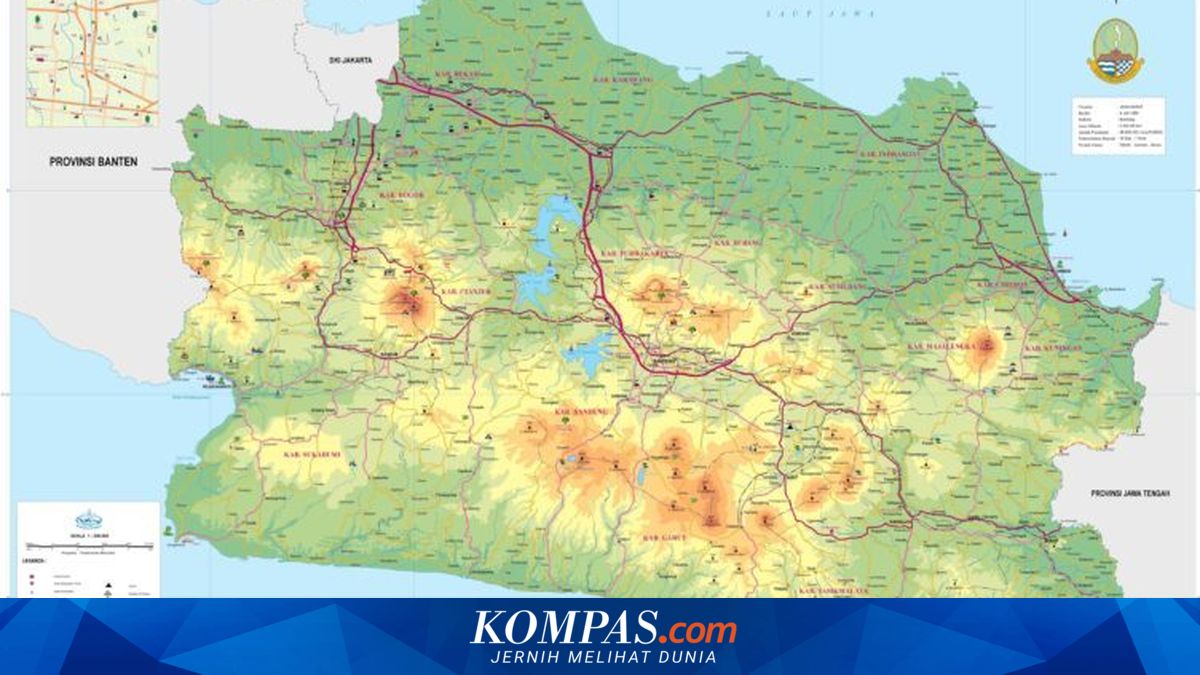
The discourse on renaming West Java to “Tatar Sunda” has resurfaced. This is not a new issue, but rather an old discussion that occasionally bubbles up when cultural identity sentiments strengthen.
On one side, the proposal is viewed as an effort to glorify Sunda historical and cultural roots.
However, on the other side, it raises fundamental questions: is changing the province’s name truly an urgent public need, or merely political symbolism wrapped in historical romanticism?
A region’s name is more than just an administrative label. It carries identity, history, legal aspects, and even political consequences.
Changing a province’s name means touching the legal foundation of its establishment as an autonomous region.
Therefore, a name change is not a decision solely for the governor or the provincial legislative council, but must go through a revision of the law by the central government together with the Indonesian House of Representatives. The process is long, complex, and full of consequences.
The problem is, in the practice of government, a name change almost never automatically improves the fate of the people.
History provides lessons. Papua was once named West Irian when it integrated into the Unitary State of the Republic of Indonesia, then became Irian Jaya during Suharto’s New Order era, and later Papua under President Abdurrahman Wahid, alias Gus Dur.
Names changed, but problems of welfare, poverty, inequality, and social conflict did not resolve overnight.
A new name has never been a guarantee of progress. It is only packaging, while the substance of development is determined by policies, budgets, and the quality of government management.
This is where it is important to distinguish between identity politics and welfare politics. If the main goal is to strengthen Sunda culture, the recipe is not to change the province’s name.
The government only needs to strengthen cultural programmes: Sunda language education, preservation of arts, revitalisation of traditional villages, protection of historical sites, and real budget support.
Culture does not grow from the signboard on the governor’s office, but from policies that live in schools, villages, and public spaces.
One more thing to remember, West Java is not only owned by the Sunda ethnic group. It is also inhabited by Cirebon people, border Betawi communities, migrants from various regions, and even national communities that make this province a shared living space.