
Disaster Victims’ Relocation: Merely Moving Homes or Rebuilding Lives?
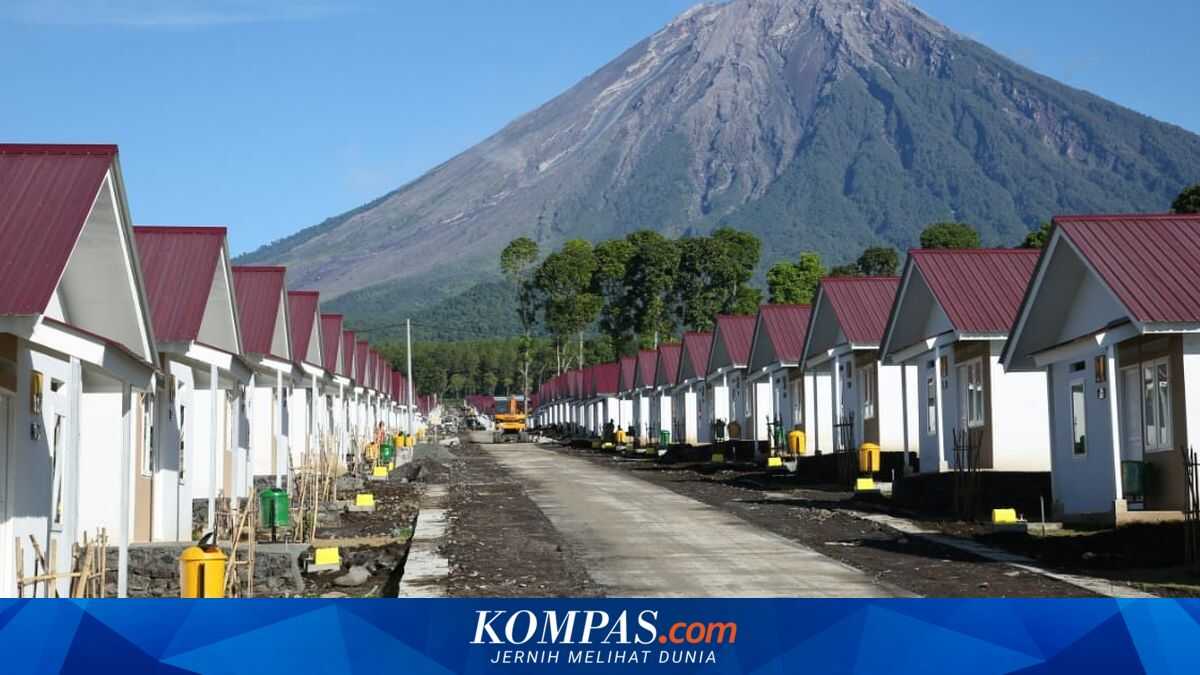
JAKARTA — Relocation is often one of the policies pursued by the government after major disasters, with residents in hazard-prone areas moved to permanent housing (huntap) deemed safer from similar disaster threats. However, relocation is not merely about moving homes from one area to another. The challenge is to ensure that relocated communities can rebuild their social and economic lives in their new location. The government says relocation is designed as a long-term solution to reduce disaster risk while restoring the lives of those affected. According to him, assistance is provided in several forms to help residents meet basic needs and restart their lives in the new location. ‘Under the relocation scheme, the Ministry of Social Affairs (Kemensos) provides support in the form of a livelihood guarantee of Rp 15,000 per person per day for three months, housing completion per unit of Rp 3 million, and for severe disasters such as those in Sumatra, Kemensos also provides socio-economic stimulus assistance of Rp 5 million per family,’ said Agus to Kompas.com on Thursday, 5 March 2026. Meanwhile, housing completion assistance aims to help residents meet basic household needs in their new dwelling. The socio-economic stimulus is provided in cases of major disasters to help affected families restart their economic activities. According to Agus, relocation policy is not only focused on building permanent housing (huntap), but also on restoring the livelihoods of disaster-affected communities. ‘Post-disaster targets are not only to secure food and shelter but also to normalise their social and economic life,’ said Wamensos. Therefore relocation is designed as a permanent step in reducing disaster risk in the future.