
Dirjen AHU Reminds LPDP Scholar Not to Force Child's Citizenship Choice
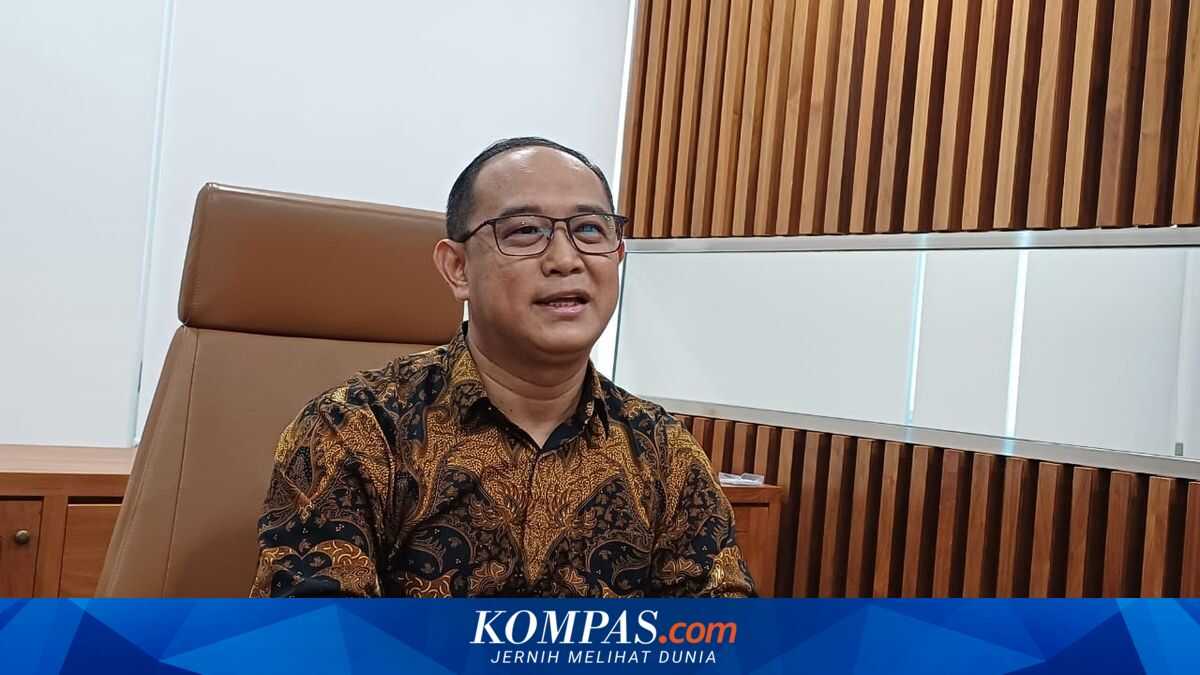
Jakarta – The Directorate General of General Legal Administration (Dirjen AHU) of the Ministry of Law, Widodo, has reminded LPDP scholarship recipient Dwi Sasetyaningtyas (DS) not to intervene in her child’s right to choose citizenship.
Widodo reasoned that DS’s child is still of very young age and not yet at the appropriate time to determine citizenship, whilst there exists legislation prohibiting coercion against children.
“This is certainly a lesson for us all, particularly since the Child Protection Law must not force everything regarding a child’s rights; it means that parents are overinterveneing in their children’s affairs,” said Widodo on Thursday (26 February 2026), as cited by Antara.
Widodo also explained that to date, DS’s child still holds the status of Indonesian citizen under law.
On the other hand, DS and her husband are Indonesian citizens residing in England, so by the principle of descent, the child born from their marriage automatically acquires Indonesian citizen status.
“If it does not adopt the principle of birthplace and there is also no descent principle, then the descent would be Indonesian citizen; the place itself is not recognised, meaning the child’s status is that of an Indonesian citizen,” said Widodo.
However, the Directorate General of AHU will seek further confirmation regarding DS’s post which stated that her child has obtained a British passport.
“This is certainly a question: was the child indeed born there, in England? Whilst England is amongst the countries that do not adopt ius soli, it is not based on the principle of birthplace,” said Widodo.
The Directorate General of AHU will also communicate with the Ministry of Foreign Affairs and the British Embassy regarding the citizenship status of DS’s child.
The controversy originated from DS’s Instagram post on 20 February 2026. In the video, the LPDP alumna displayed her second child’s newly obtained British passport.
In the caption of her post, DS made a statement that subsequently drew controversy as it was perceived to disparage access to Indonesian passports and was considered not to demonstrate pride in being an Indonesian citizen.