
Directorate General of Taxation Waives Penalties for Late SPT Filings Until 30 April 2026
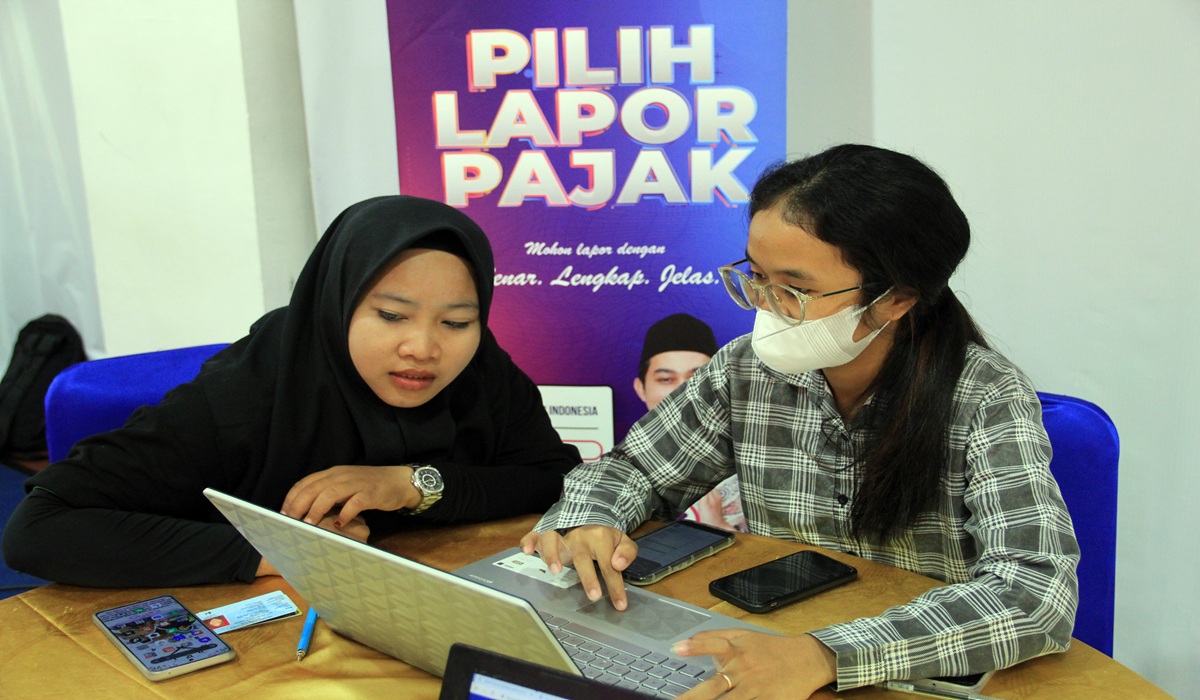
The Directorate General of Taxation (DJP) has assured individual taxpayers who delay filing and paying their Annual Income Tax Return (SPT) for Personal Income Tax (PPh) until the end of April 2026 that they will not face penalty or administrative sanctions. This provision is set out in DJP Announcement No. PENG-28/PJ.09/2026. The regulation states that taxpayers submitting their SPT, paying Article 29 PPh, or settling any tax shortfall after 31 March up to 30 April 2026 will be exempt from fines and interest. This applies to individual taxpayers filing their 2025 Tax Year SPT, paying 2025 Article 29 PPh, and settling shortfalls or underpayments of Article 29 PPh from extended SPT filings. All such obligations, if fulfilled between 31 March and 30 April 2026, will receive a waiver of administrative sanctions. ‘This includes both fines and interest,’ the regulation states, dated Friday (27/3). The policy refers to provisions in Law No. 6 of 1983 on General Provisions and Tax Procedures, as amended several times, most recently by Law No. 6 of 2023 converting the Job Creation Perppu into law. In implementation, DJP will not issue Tax Assessment Letters for delays during this period. Additionally, if such letters have already been issued, DJP will cancel the sanctions ex officio. Delays in reporting during this relaxation period will also not affect taxpayer status, including not serving as grounds for revoking certain taxpayer criteria. This policy provides leeway for the public who have not yet met their obligations by the normal 31 March deadline, while responding to the ongoing adjustments in the tax administration system. Director General of Taxation Bimo Wijayanto explained that the implementation of the new Coretax system has made the filing process more complex, as taxpayer data is now integrated and pre-populated automatically. Each piece of data entering must be confirmed against various other databases, such as population and business licensing data. ‘Now every data must be reconfirmed with comparison databases. So it’s more detailed and complex,’ Bimo said. Nevertheless, he noted that in the field, taxpayers still face technical hurdles, such as slow systems or buffering. However, these are seen as part of the adaptation process to the new system. ‘This is a new system, like a newborn baby. There’s learning, both from users and from us,’ he stated. DJP is thus providing time until the end of April for filing and payment, in line with the ongoing system adjustments. ‘It’s decided until 30 April, for both filing and payment,’ Bimo said. As of Thursday, 26 March 2026 at 24:00 WIB, the number of submitted SPTs reached 9,131,427. The majority came from employee individual taxpayers at 8,196,513, followed by non-employees at 924,443, and business entities around 190,000. Meanwhile, Bimo said that activations of DJP Coretax accounts are also steadily increasing. A total of 16,963,643 taxpayers have activated their accounts, dominated by individuals. DJP is also keeping services open in several regions during the Eid holidays, including in Papua and Maluku, to assist the public in filing SPTs. Amid this leniency, DJP notes that millions of taxpayers have yet to report their obligations. (H-4) SPTs not filed on time are subject to administrative sanctions in the form of fines of Rp100,000 for individual taxpayers and Rp1 million for corporate taxpayers.