
Directorate General of Higher Education and University Hospitals Association Drive International Standard Educational Hospitals
Bandung (ANTARA) - The Directorate General of Higher Education (Ditjen Dikti) together with the Association of State University Hospitals (RSPTN) is undertaking major revitalisation efforts to drive educational hospitals to become strategic partners meeting international standards.
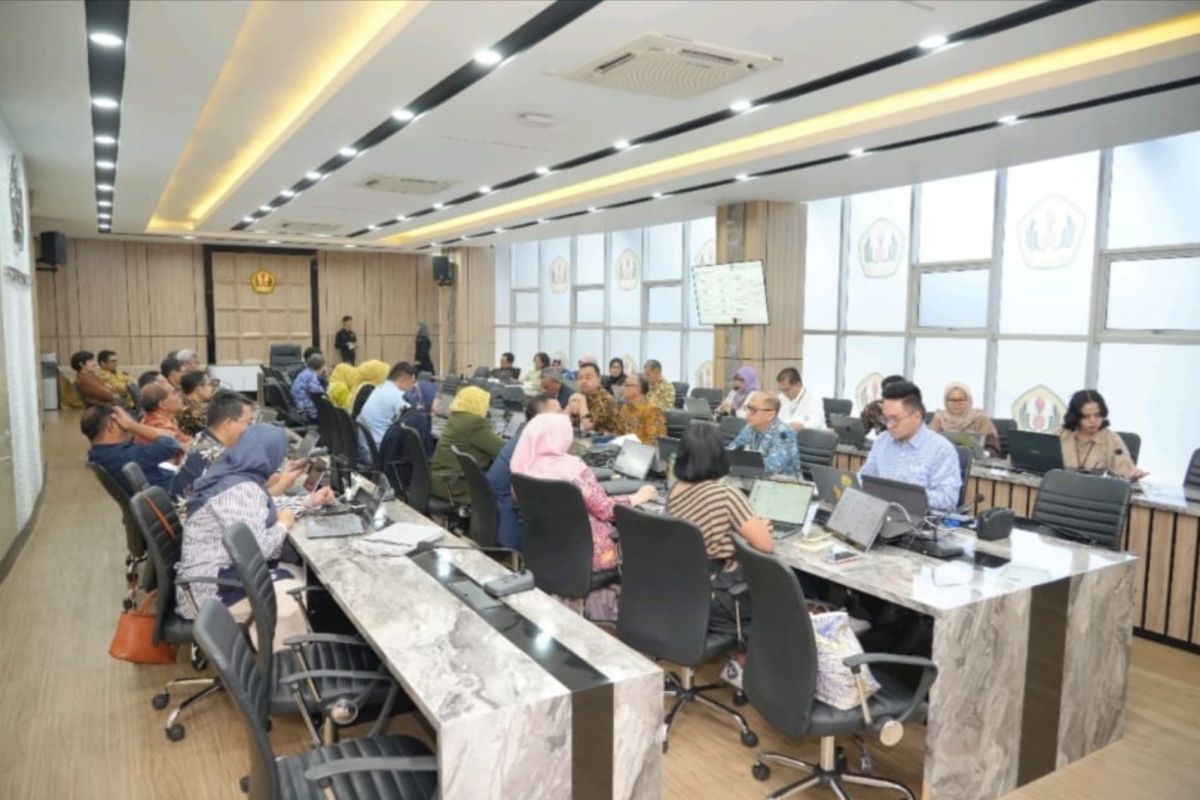
Through a revitalisation workshop held at Padjadjaran University (Unpad) on 10-11 March, the government emphasised the importance of changing paradigms in managing Indonesia’s academic health systems.
“Our perspective or way of thinking is an integrated academic health system. We cannot work in isolation and education cannot operate within separate compartments,” said Secretary of the Directorate General of Higher Education Setiawan in a statement in Bandung on Wednesday.
Setiawan stressed that this revitalisation carries a significant mission to make RSPTN the backbone of the national health system.
Given resource limitations, each RSPTN is encouraged to establish its own strengths and characteristics without operating independently.
“What we do in education must ultimately support strengthening the health system,” said the Medical Faculty Professor at Unpad.
In line with this, Unpad Rector Arief S Kartasasmita believes strengthening RSPTN’s role is crucial amid increasingly complex medical education dynamics.
This forum served as an opportunity for university leaders to strengthen their commitment.
“This forms one of the bases for us to strengthen our commitment to positioning educational hospitals as an important part of the health education system,” said Arief.
The agenda, which brought together rectors from major universities including UGM, Unair, Unhas, and Unsyiah, specifically discussed transformation of premium services and leadership governance.
The hope is that through strengthening the concept of an integrated academic health system, RSPTN will not merely serve as a teaching facility for students, but instead transform into world-class healthcare centres capable of addressing global health challenges.