
Digitalising social protection: A gateway to accelerating digital public services
In early May 2026, news of a 16-year-old student in Samarinda, identified as MRS, who died from an infection caused by wearing shoes that were too small, went viral on social media. The case served as a wake-up call for the government, highlighting that there are still people in need of assistance who remain undetected by the existing system.
A year earlier, the Chairman of the National Economic Council (DEN), Luhut Binsar Pandjaitan, stated that only half of the total social assistance budget of Rp500 trillion actually reached the intended recipients. Every ministry and agency involved in distributing social aid faces the same problem: inaccurate data leading to mistargeted distribution.
To address this, the government, through the Committee for the Acceleration of Digital Transformation (KPTDP), has made the social protection programme the first to undergo end-to-end digitalisation. Fifi Aleyda Yahya, Director General of Public Communication and Media at the Ministry of Communication and Digital Affairs, said the digitalisation of social protection is a way for the state to better recognise the conditions of its citizens so that aid can be delivered accurately to those who truly need it.
Rahmat Danu Andika, Coordinator of the KPTDP Daily Task Force, explained that in September 2025, the committee began building a ‘pipeline’ connecting citizen data across various ministries and government agencies. Through this system, individuals who feel they need social assistance can register themselves independently by accessing the portal perlinsos.kemensos.go.id. This system is expected to reduce the administrative hurdles often faced by those in need.
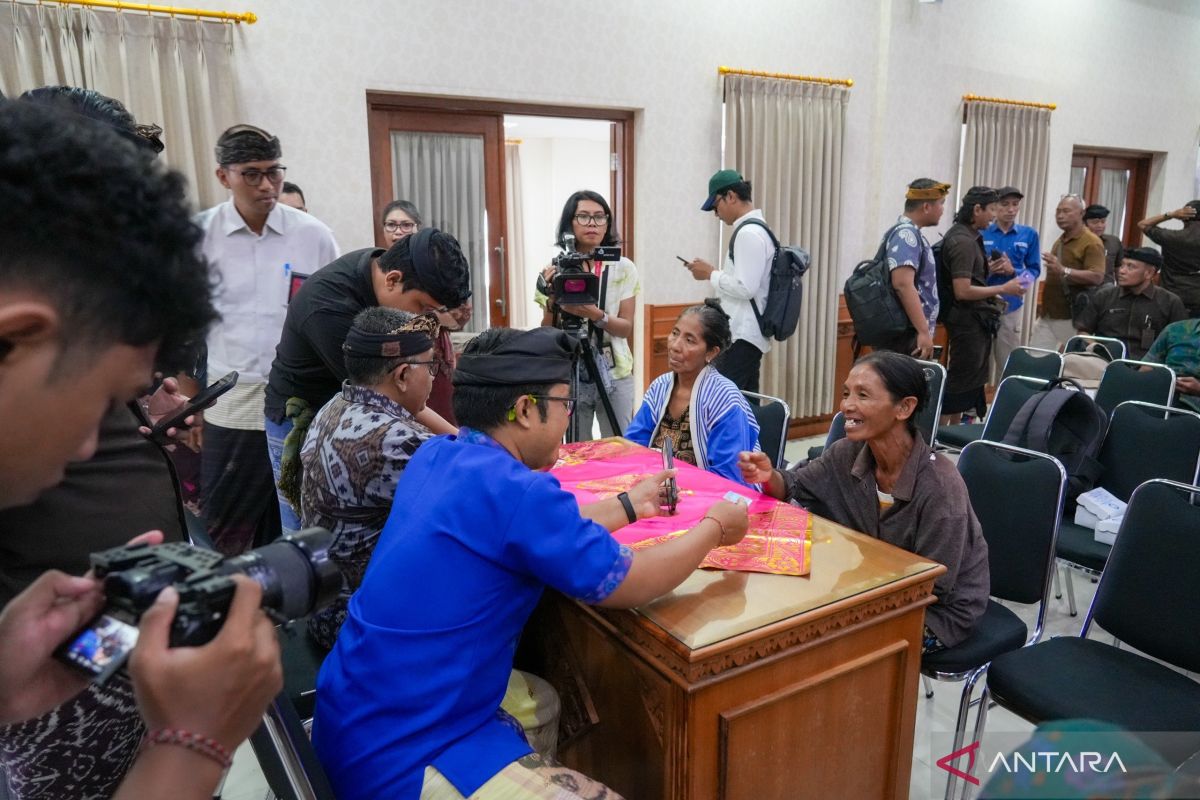
The committee has also prepared a solution for those without mobile phones. They can be assisted in registering by social protection agents who possess a Digital Population Identity (IKD). In a trial conducted in Banyuwangi, East Java, the government involved 4,087 social protection agents, consisting of dasawisma cadres, village operators, and Family Hope Programme (PKH) agents. The number of agents was intentionally expanded so they can be close to all levels of society.
Danu noted that dasawisma cadres are volunteers already present within the community, so their proximity to residents is very close. He expressed hope that more people will obtain an IKD, allowing them to also become social protection agents and help reduce targeting errors. The programme is supported by artificial intelligence.