
Digital Transactions Become New Engine for Bank Mandiri's Performance
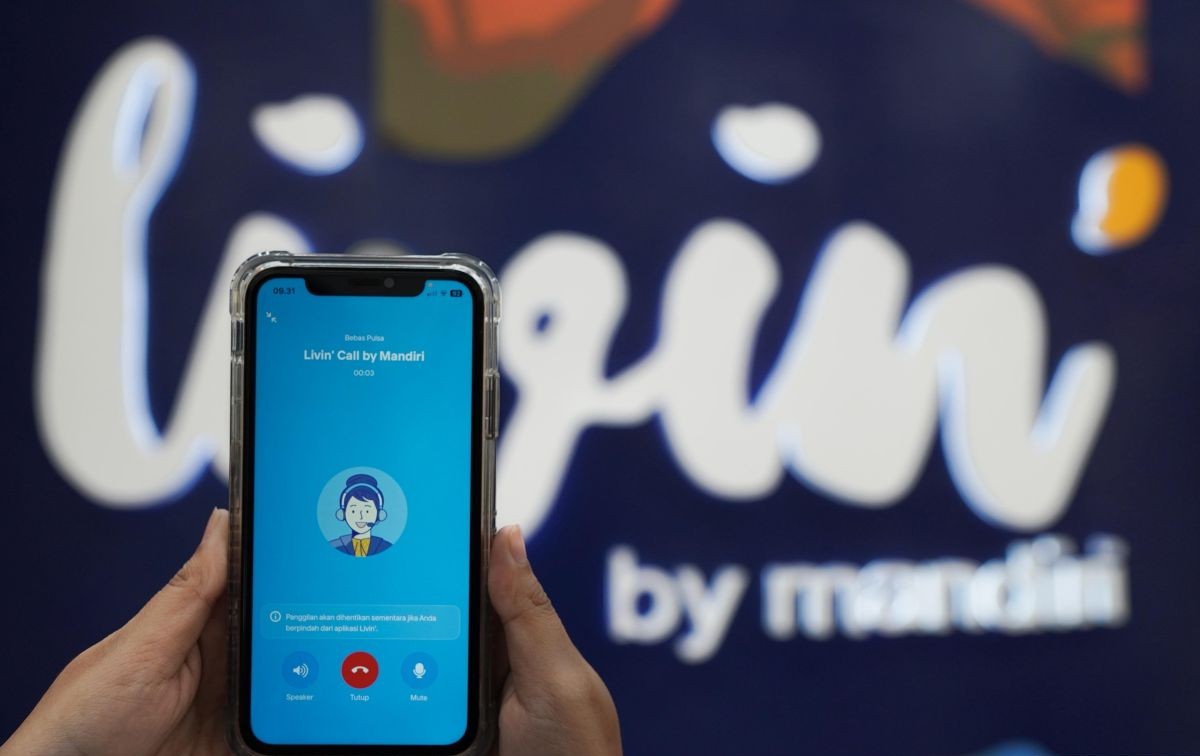
Bank Mandiri’s digitalisation strategy is beginning to show tangible impacts on the company’s performance. Digital channels are now a key pillar supporting the firm’s business growth. Senior Market Analyst at Mirae Asset Sekuritas Indonesia, Nafan Aji Gusta Utama, views the super app Livin’ by Mandiri as one of the fastest-growing financial applications in the industry in terms of user base.
According to him, this acceleration is directly impacting the growth of fee-based income. At the same time, digitalisation is driving efficiency, reflected in the declining cost-to-income ratio (CIR), which is now approaching the levels of Bank Central Asia (BBCA).
“This demonstrates that the digital transformation undertaken by BMRI not only expands the customer base but also improves operational efficiency,” he stated.
In addition to the digital aspect, Bank Mandiri benefits from its position within the state-owned enterprise ecosystem, including involvement in state asset consolidation through Danantara.
This consolidation is expected to boost demand for large-scale corporate banking services, from syndicated loans to cash management. This segment is one of Bank Mandiri’s main strengths.
Amid prospects for economic growth, infrastructure development, and downstreaming of industry and energy, including new renewable energy, financing demand is projected to increase. This opens opportunities for Bank Mandiri to expand its corporate credit portfolio. From an investment perspective, BMRI shares are considered attractive with a potential dividend yield of around 8.8%, as well as opportunities for capital gains.
Meanwhile, Bank Mandiri’s Director of Finance & Strategy, Novita Widya Anggraini, revealed that up to February 2026, transaction volume through Livin’ by Mandiri has reached more than 738.7 million transactions since the beginning of the year, or growing around 28% year-on-year.
This growth is driven by increasing use of digital services for various transaction needs, from bill payments, digital product purchases, to inter-individual and business fund transfers. The use of digital transactions at various merchants, including SMEs, also strengthens Bank Mandiri’s role in promoting financial inclusion and community economic activities.
Along with the increasing digital activity, Bank Mandiri’s fee-based income has also recorded significant growth.
Income from the digital platform, including Livin’ by Mandiri, reached Rp625 billion, or grew 45.3% year-on-year. Meanwhile, the wholesale platform Kopra by Mandiri contributed Rp421 billion with 29.3% YoY growth, in line with the increase in customer transaction volumes on the company’s digital channels.
This digital transformation affirms Bank Mandiri’s strategic shift from a conventional bank to a digital ecosystem-based financial institution that is more efficient and integrated.