
Digital Minister reminds that network development must impact the public
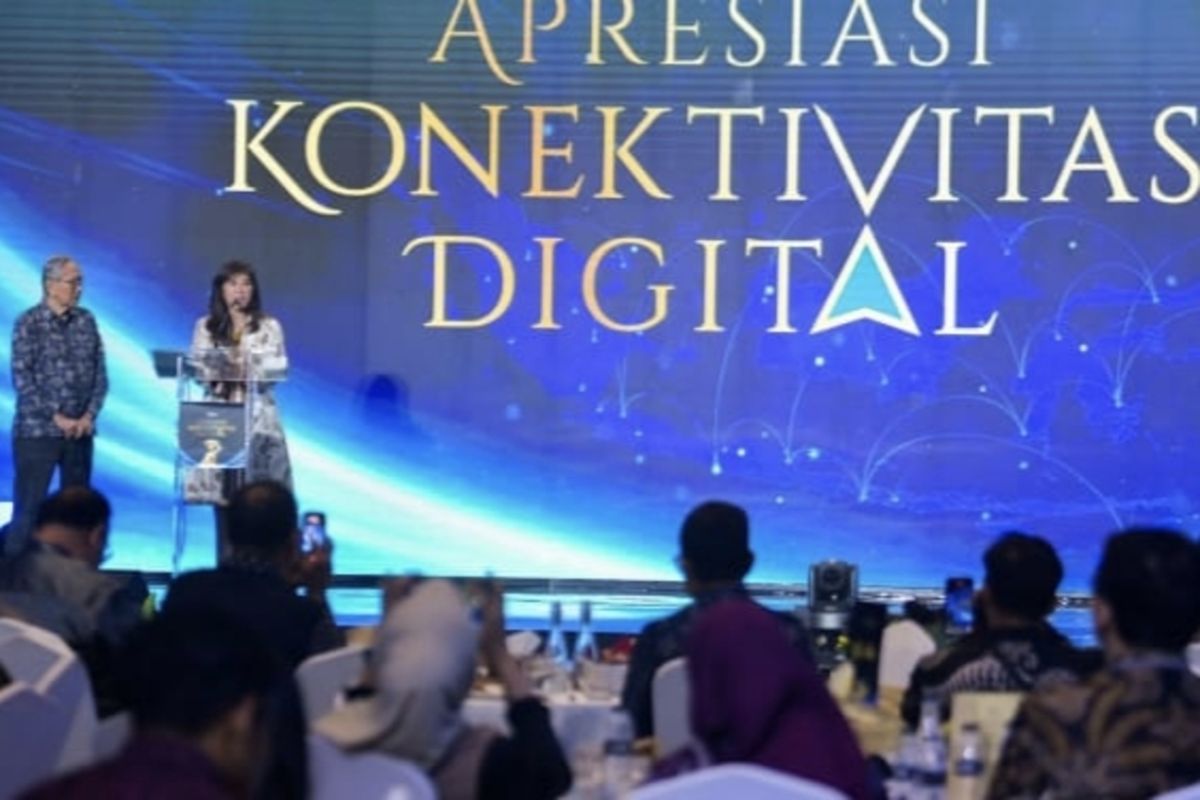
Jakarta (ANTARA) - Communications and Digital Minister Meutya Hafid has stressed that the development of digital connectivity must be accompanied by real utilisation in public services, especially in schools and community health centres. According to Meutya, the success of network development is not only measured by the availability of access, but by how much the internet is used to improve the quality of education and health services. “I am touched that many people from school elements, community health centres, the TNI, and industry are working together to facilitate the government’s steps in ensuring connectivity runs well,” Meutya said in her statement received and confirmed in Jakarta on Saturday. This statement was delivered at the Appreciation of Digital Connectivity 2026 in Central Jakarta. According to Meutya, the success of connectivity is measured by the benefits felt in daily life. For example, students can access broader learning materials and health workers can serve patients more quickly and accurately. “The government cannot work alone; it needs support from many parties,” she added. She emphasised that connectivity must be part of public services, not just infrastructure development. “Hopefully, the cooperation between government, industry, and society can continue to guide our connectivity to get even better,” she asserted. It is known that Meutya is promoting the transformation of public services by expanding access to the digital space, enabling the public to receive services more optimally. Meutya said that the PANDAWA service owned by BPJS Kesehatan, which now provides 24-hour administration services through WhatsApp channels, is one example of expanding public services to the digital space. “The public has been living in the digital space, so public services must follow. We are the ones who follow the public, not the public who must follow our policies,” Meutya stated. She said that the national digital connectivity is sufficiently accommodating to support such service expansions. In addition, based on research, 80.66 percent of Indonesia’s population, or around 230 million people, are connected to the internet, and the majority use communication services based on messaging (chat) services.