
Digital Literacy Strategy Targeting 13 Million Students and Islamic Scholars Supports Implementation of PP TUNAS
Jakarta – To support the implementation of Government Regulation No. 17 of 2025 on the Governance of Electronic Systems in Child Protection and Ministry of Communications and Digital Affairs Regulation No. 9 of 2026, which restricts social media access for children under 16 from 28 March 2026 (the PP TUNAS or “Wait Until Children Are Ready” regulation), the Ministry of Religious Affairs (Kemenag) has prepared several strategic initiatives.
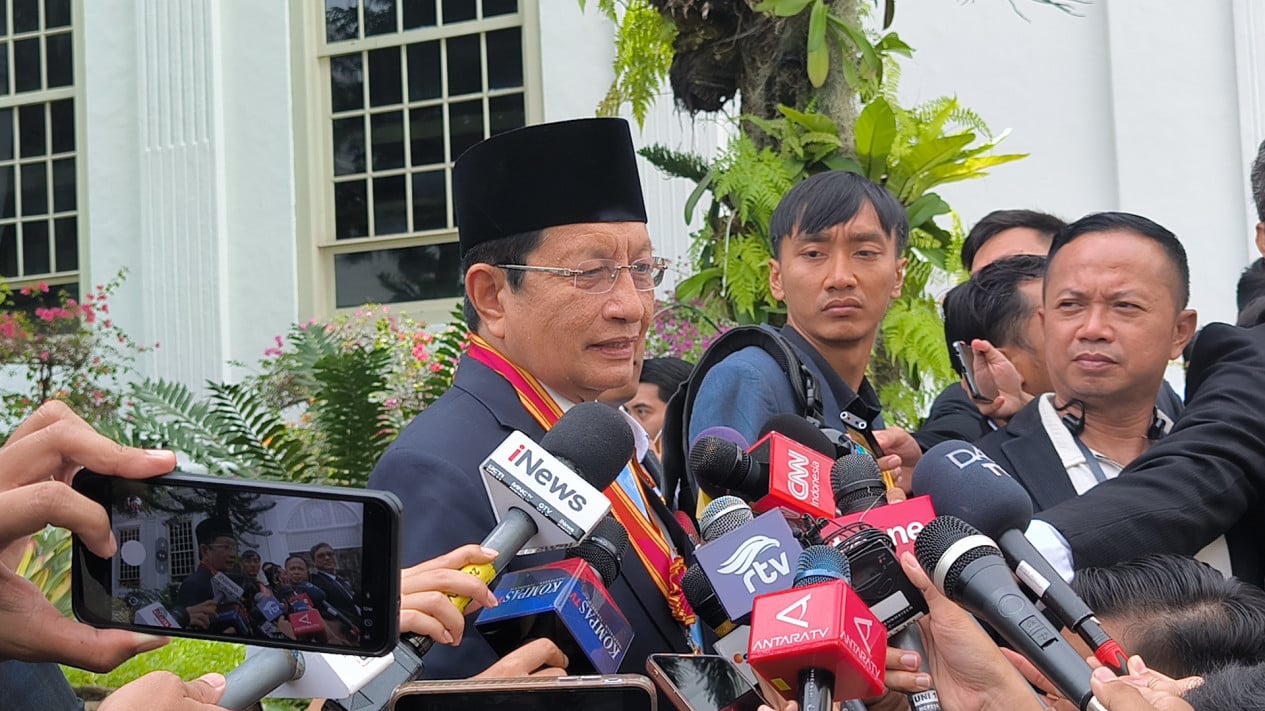
Minister of Religious Affairs Nasaruddin Umar explained that this support is realised through strengthening moral values and digital ethics across all religious education institutions to ensure sustainable child protection in cyberspace.
Kemenag’s support will target its extensive educational ecosystem. The primary protection focus encompasses 10.4 million madrasah students, 3.3 million Islamic boarding school students, and tens of thousands of students from various faith-based schools.
“Kemenag is fully committed to supporting the PP TUNAS spirit to protect the future of Indonesia’s golden generation,” said Nasaruddin on Wednesday, 11 March 2026.
“We are not only focusing on technical aspects, but on strengthening the moral and digital ethics ‘fortification’ for students in religious education settings,” he added.
Kemenag’s digital literacy support has actually been ongoing since 2025. The ministry has conducted digital literacy training for 269,495 participants, consisting of teachers, religious educators, and Islamic preachers.
This training is designed to equip educators to guide children in distinguishing between beneficial and harmful online content.
Kemenag has also innovated by integrating digital ethics curricula into religious studies subjects. Artificial Intelligence (AI) technology has been introduced through the “AI-Proficient Islamic Scholars” programme and the creation of child-friendly educational content.
This initiative aims to ensure children are not only “ready” by age, but also possess intellectual competence when they begin engaging with social media.
“The sustainability and independence of this protection requires synergy. Kemenag has established collaboration with the Ministry of Communications and Digital Affairs through a Memorandum of Understanding to ensure that religious values promoting courtesy and respectfulness are also reflected in digital spaces,” said the minister.
Going forward, Kemenag will intensify two key areas. Firstly, it will leverage its network of religious educators to provide families with guidance on child-rearing in the digital age and the importance of delaying children’s access to digital spaces.