
Difficult Access to Capital, SME Growth Still Hampered
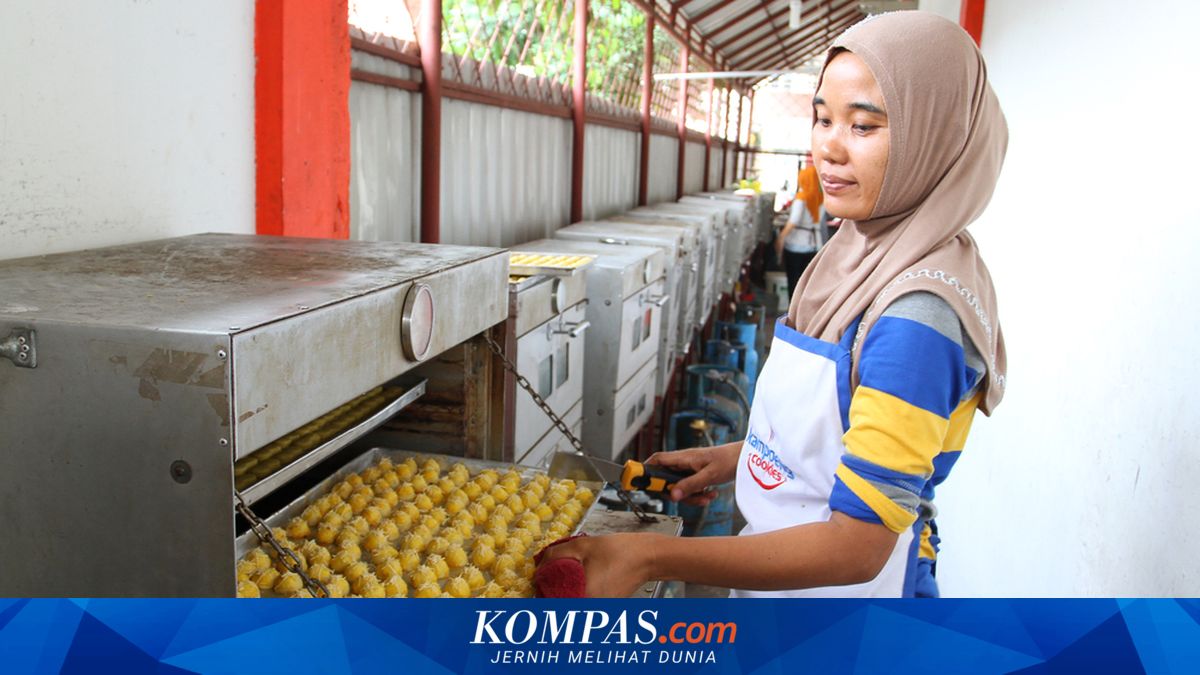
In Jakarta, UMKM actors are still facing structural challenges, ranging from limited access to capital, rising living costs, and unstable incomes, to difficulties in managing household and business finances. This condition shows that grassroots economic growth must be driven by improved access to finance and by an ecosystem able to strengthen financial health.
According to Centre for Economic and Law Studies (CELIOS), financing is the biggest challenge faced by Indonesian UMKM. ‘For many UMKM, including women at the grassroots level, access to capital remains the main challenge. Fintech, including P2P lending, can bridge this need more quickly and accurately. However, digital lending must be directed toward productive activities and supported by sound governance to help UMKM expand markets and sustain their businesses,’ he said at a press conference on Wednesday, 20 May 2026.
He added that these challenges become more relevant for women-owned UMKM, who often juggle dual roles as business managers and family finance managers.
According to the International Finance Corporation (IFC), women-owned UMKM account for around one-third of all UMKM in developing countries, but still face a financing gap of about US$1.9 trillion. ‘Women’s economic empowerment is not only about providing access to capital, but also ensuring women are in decision-making positions, have knowledge, skills, and confidence in the financial system, and can access digital financial products effectively,’ said Poppy.
She noted that women who receive appropriate financial solutions can be more confident in meeting family needs, improving financial health, and sustaining their businesses.
Referring to the United Nations Secretary-General’s Special Advocate for Financial Health (UNSGSA), financial health describes the ability of an individual or family to meet daily needs, manage financial obligations, face risks, and feel confident about their financial circumstances in the future.
The financial health approach is increasingly important to ensure financial inclusion yields more tangible impacts for grassroots communities.
Amartha’s Chief Compliance and Sustainability Officer, Aria Widyanto, said that the success of financial inclusion is no longer measured solely by the number of people accessing financial products, but by their ability to endure and achieve welfare goals amid economic dynamics.
‘M-building financial health requires cross-sector participation and collaboration to create an integrated and sustainable ecosystem,’ he said.