
Differing Economic Impact of US Strikes on Iran and Venezuela: Could This Trigger Global Recession?
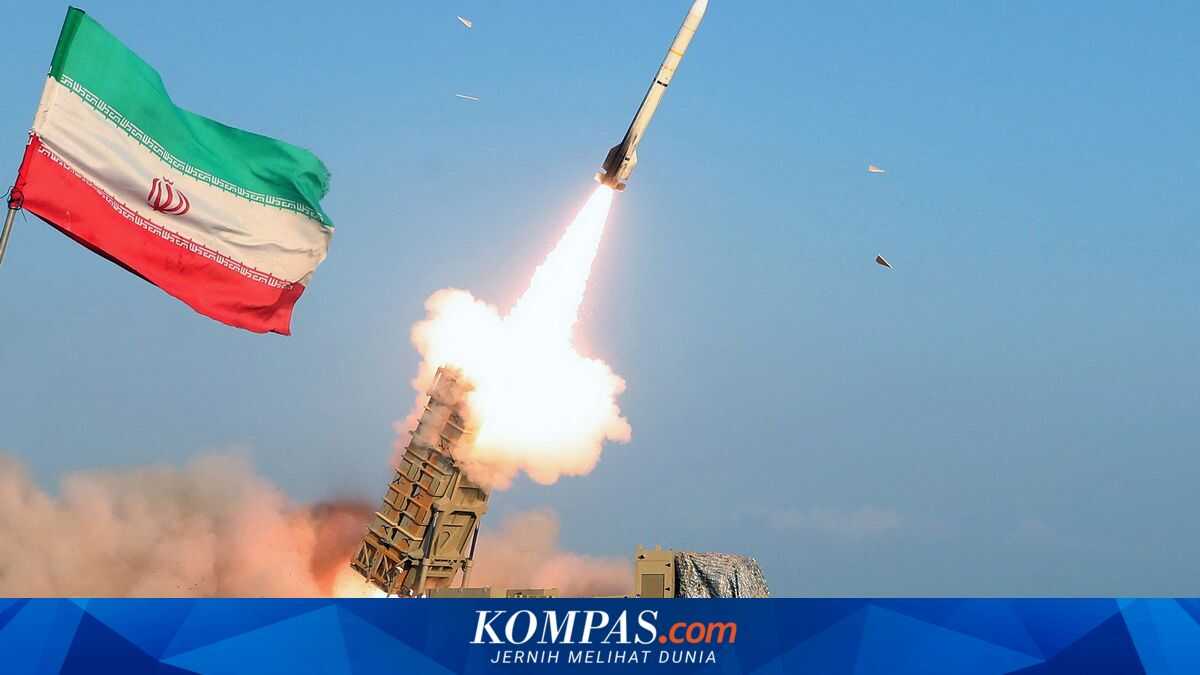
Joint United States and Israeli military strikes on Iran pose a significant risk of disrupting oil supplies in the Middle East. In January, the United States also struck Venezuela, known as an oil-producing nation.
In the worst-case scenario, strikes against Iran, which is a member state of the Organization of the Petroleum Exporting Countries (OPEC), could trigger global economic recession.
As part of the Organisation of Petroleum Exporting Countries, Iran is OPEC’s fourth-largest oil producer, with production slightly above 3 million barrels per day in January.
Furthermore, Iran possesses a coastline bordering the Strait of Hormuz, the most strategically important waterway in the world for global oil trade.
According to reports, the Strait of Hormuz is a critical passageway through which approximately 20 percent of global oil trade and approximately 20-25 percent of global liquefied natural gas (LNG) trade passes.
In other words, disruption to this waterway could potentially drive up international energy prices further.
The oil market has long been considered to have overlooked the risks of oil supply disruptions in the Middle East.
“This is very real,” said McNally, citing CNBC sources on Monday (2 March 2026).
According to him, crude oil futures prices are likely to rise 5 to 7 US dollars per barrel.
On Friday, Brent crude oil closed at 72.48 US dollars per barrel, or up 1.73 US dollars, representing a 2.45 percent increase.
It is worth noting that Brent oil prices at the beginning of the year were still at the level of 60.9 US dollars per barrel. Brent oil itself is a type of crude oil that serves as the global price benchmark for two-thirds of global oil supplies.
Iran is attempting to threaten US President Donald Trump by rendering the Strait of Hormuz unsafe for commercial transit. This could cause oil prices to surge above 100 US dollars per barrel.
According to McNally, the market is not accounting for the fact that Tehran possesses large quantities of mines and short-range missiles that could seriously disrupt traffic through this waterway.
Approximately three-quarters of these barrels are shipped to China, India, Japan, and South Korea. China, as the world’s second-largest economy, receives half of its crude oil imports from this strait.
“A prolonged closure of the Strait of Hormuz will cause global recession,” said McNally.
He noted that the world’s excess oil capacity comes from Gulf countries. When closure occurs, these oil supplies will not be able to pass through the strait.
In other words, such action would isolate the strait from the market.