
Differences in Iranian Citizens' Persian New Year Celebrations This Year Amid War
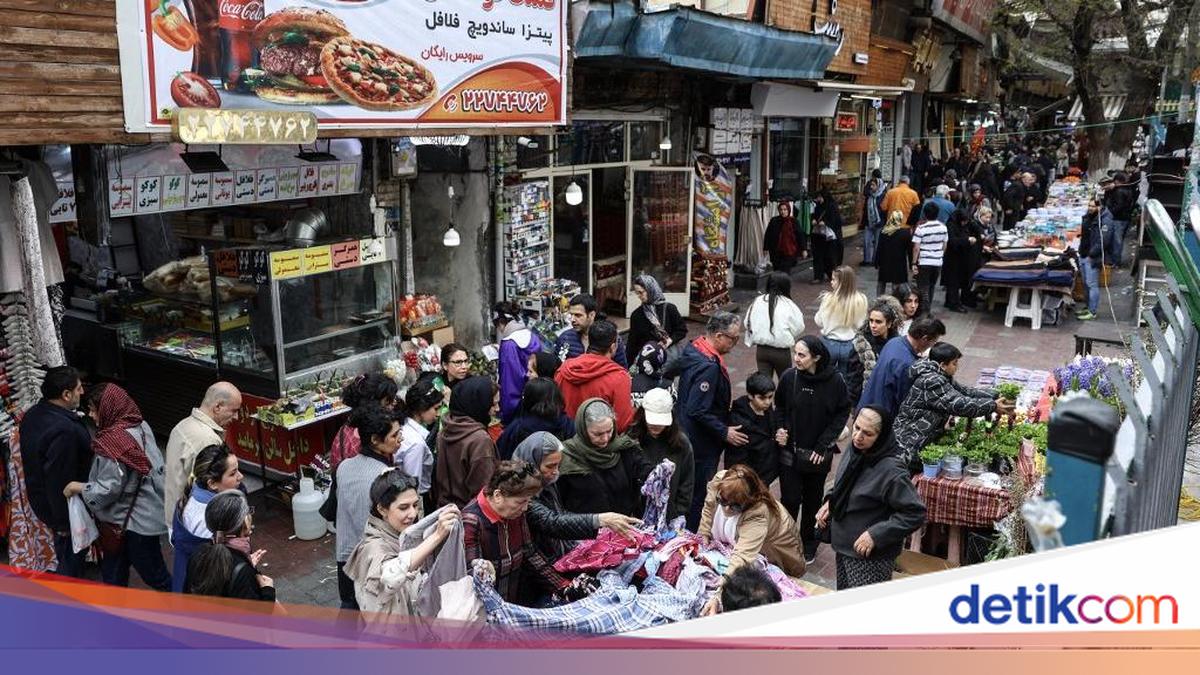
The celebration of Nowruz, or the Persian New Year, is a time for family, renewal, and new beginnings for Iranians. Coinciding with the spring equinox, it is a “new day” celebration for millions in Iran and around the world, but enthusiasm for this year’s festivities is markedly different.
According to CNN, Friday (20/3/2026), trapped between a highly repressive regime and relentless attacks by the United States (US) and Israel that have caused thousands of deaths and injuries and destroyed much of the country’s infrastructure, Iranians have prepared a very different Nowruz.
“I have no energy to set up the haft sin and prepare my home for spring,” said Nazanin, a 36-year-old Tehran resident, referring to the traditional dish prepared by families to symbolise renewal, harmony, and prosperity. “How can I celebrate when I can’t meet my family? We can’t gather together.”
For Nazanin and many other Iranians who spoke to CNN—their surnames withheld to protect their identities—the past three weeks have been filled with despair and fear.
“Time feels like it’s stopped in some ways. We’re on the brink of something, on the edge of the abyss every day but we never fall, and usual time markers like (Persian Fire Festival) Chaharshanbe Suri and Nowruz have come and don’t mean much,” said Nazanin.
Although the war continues, Tehran is still preparing for Nowruz celebrations. Markets are full of merchandise, and the scent of hyacinths, the traditional Nowruz flower, fills the narrow aisles, a poignant reminder of spring in the city.
However, while some people like Nazanin feel despair ahead of the new year, for others, hope is always present.
“Since this war started, the city feels lighter, even though we’re still being bombed.” The weather is perfect, blue skies, the smoke haze has cleared. It’s perfect spring weather in every way, as if the city knows we’ll be free,” said Mehrdad, a longtime capital resident.
In a divided society, some Iranians see a special resonance in this year’s Nowruz, with the celebration’s focus on cleansing and rebirth.
“I don’t believe in omens, but maybe there’s a reason all this is happening ahead of Nowruz,” said Ahmad, a 45-year-old man living in Iran.
He and his wife plan to celebrate Nowruz as usual, he said, explaining, “This tradition is a moment of happiness. We’ve seen so much death in the past few months this year, I feel the need to honour life, not let them take it from us.”
This year’s Nowruz celebrations are not only marred by war. Before the conflict began, the country was already facing a dire economic situation. High inflation and unemployment—resulting from government policies and decades of sanctions—sparked nationwide protests against the regime at the end of last December, a public outburst of anger that ended in bloody crackdowns by security forces.
The economic conditions that triggered those protests have not changed. For the average Iranian, even basic necessities have become unaffordable. The additional costs for Nowruz celebrations are prohibitive for many.
A Tehran resident said that although they will celebrate the New Year, they cannot justify spending on buying flowers and preparing traditional foods. “The markets are full, but shortages aren’t an issue for me right now. Buying fresh spices, buying fish, even buying flowers, is a luxury, especially when we don’t know what the future holds.”
Iran’s New Year will also coincide with the end of Ramadan and Eid al-Fitr. The Iranian government will hold state prayers to mark the end of the holiest month in Islam, and this is likely to be another show of strength and unity for the regime under pressure.
However, for most Iranians, regardless of ethnicity, religion, or beliefs, Nowruz remains the focus, with new and varied meanings in times of conflict.