
Differences Between CNG and LPG: Which is More Economical and Safer for Households?
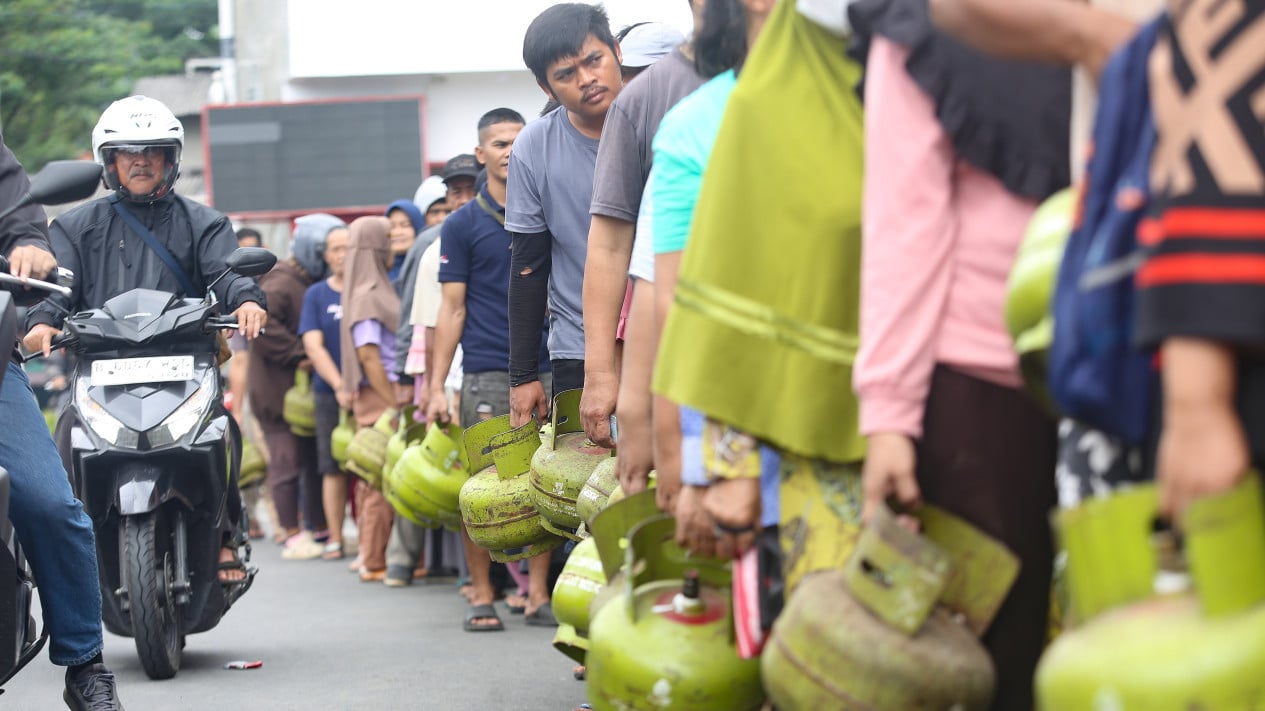
The government is beginning to prepare the use of Compressed Natural Gas (CNG) as an alternative replacement for 3-kilogram LPG cylinders for households. This step is being taken to reduce dependence on LPG imports, which have long burdened the national energy budget.
The Ministry of Energy and Mineral Resources (ESDM) even targets the initial implementation of CNG use to begin gradually this year, particularly in major cities on Java island.
The programme is currently in the preparation stage, starting from tank design, safety testing, to distribution patterns. This was stated by the Director General of Oil and Ground Gas of the Ministry of ESDM, Laode Sulaeman.
He said the government is focusing on ensuring safety aspects before CNG is used widely by the public. This is because the characteristics of CNG differ from LPG, which has been used by households so far.
“This year,” said Laode Sulaeman in Jakarta on Tuesday. According to him, the pressure of CNG is far higher than LPG, thus requiring tanks with special specifications.
“In every stage of tank testing, we carry out, then pressure testing, and so on. This is indeed the most important factor,” said Laode.
Minister of ESDM Bahlil Lahadalia also explained that CNG is not a new technology. So far, this fuel has been used in the hotel, restaurant, and Free Nutritious Meal (MBG) programme sectors. The government is also starting to open opportunities for gradual conversion from LPG to CNG if the trial results are deemed feasible.
So, what are the actual differences between CNG and LPG? Here is the explanation as compiled on Thursday, 7 May 2026.
Differences Between CNG and LPG
- Raw Materials
The main difference between CNG and LPG lies in their energy sources. CNG comes from natural gas which mostly contains methane. This gas is then compressed to very high pressure to make it easy to store and distribute.
Meanwhile, LPG or Liquefied Petroleum Gas comes from the processing of crude oil and liquid gas containing propane and butane. Because it comes from domestic natural gas, the government considers CNG more potential for reducing energy imports.
- Gas Pressure
CNG has much higher pressure than LPG. Laode mentioned that CNG pressure reaches around 250 bar, while LPG pressure is only in the range of 5 to 10 bar. This pressure difference requires CNG tanks to be designed stronger and have special safety systems. The high pressure is also the reason the government is conducting a series of safety tests before the programme is implemented.