
Dietitian advises small portions of sweet food when breaking fast
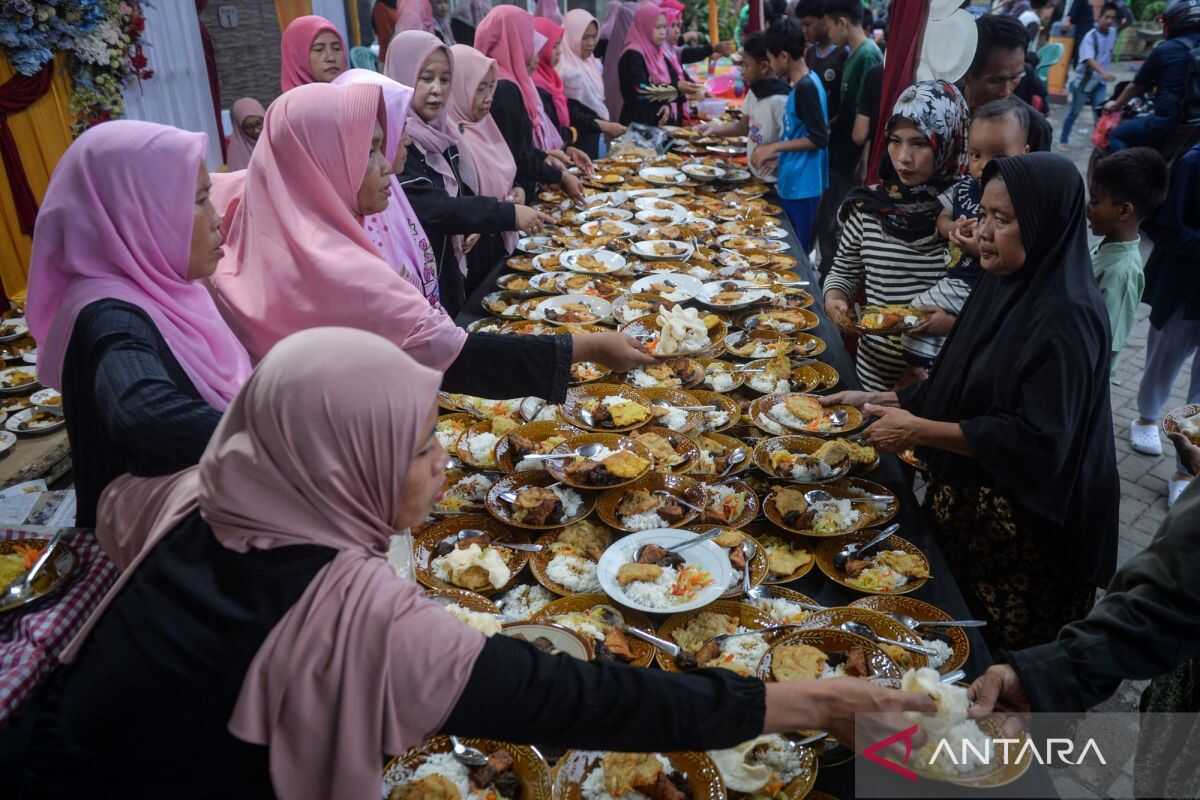
Jakarta (ANTARA) - Dietitian Luthfianti Diana Mauludiyah from Jakarta’s Cipto Mangunkusumo National Central General Hospital (RSCM) has reminded the public that they should consume only one small portion of sweet food when breaking their fast.
“If you want something sweet, one small portion at breaking fast is sufficient. There is no need for additional sweet foods during the pre-dawn meal,” said Fiana when contacted by Antara from Jakarta on Friday.
She also stressed that maintaining frequency is important for health and bodily safety, advising that sweet foods should be consumed only occasionally rather than daily in large portions.
She explained that the body does require sugar intake after fasting to replenish energy.
“After fasting for 12 to 14 hours, blood glucose levels drop and the body needs a quick source of energy,” she added.
She explained that simple sugars can rapidly increase blood glucose levels.
“However, the problem is that a rapid spike in blood sugar causes insulin to rise, which can then cause blood sugar to drop again quickly, leading to hunger, drowsiness, or fatigue,” she said.
The World Health Organization (WHO), she continued, recommends that added sugar constitute less than 10 per cent of total daily energy intake, with less than 5 per cent being even more desirable.
She explained the sugar requirements for adults with an approximate daily intake of 2,000 kilocalories: 10 per cent equates to 50 grammes of sugar per day, whilst 5 per cent equates to approximately 25 grammes of sugar per day.
Meanwhile, in Indonesia, the Ministry of Health recommends a practical limit of approximately 50 grammes of sugar per day, equivalent to roughly four tablespoons.
“Choose natural sweetness from whole fruit rather than syrup, fruit drinks with added sugar, heavily sweetened tea, or coconut milk desserts with high sugar content,” she concluded.
The government, through the Ministry of Religious Affairs, determined that the beginning of fasting, or 1 Ramadan 1447 Hijri/2026 CE, fell on Thursday, 19 February 2026, following the Isbat Session ruling. This marked the commencement of fasting observance for Muslims in Indonesia.