
Dicky Kartikoyono Proposes UMKM Credit Securitisation to Expand Financing
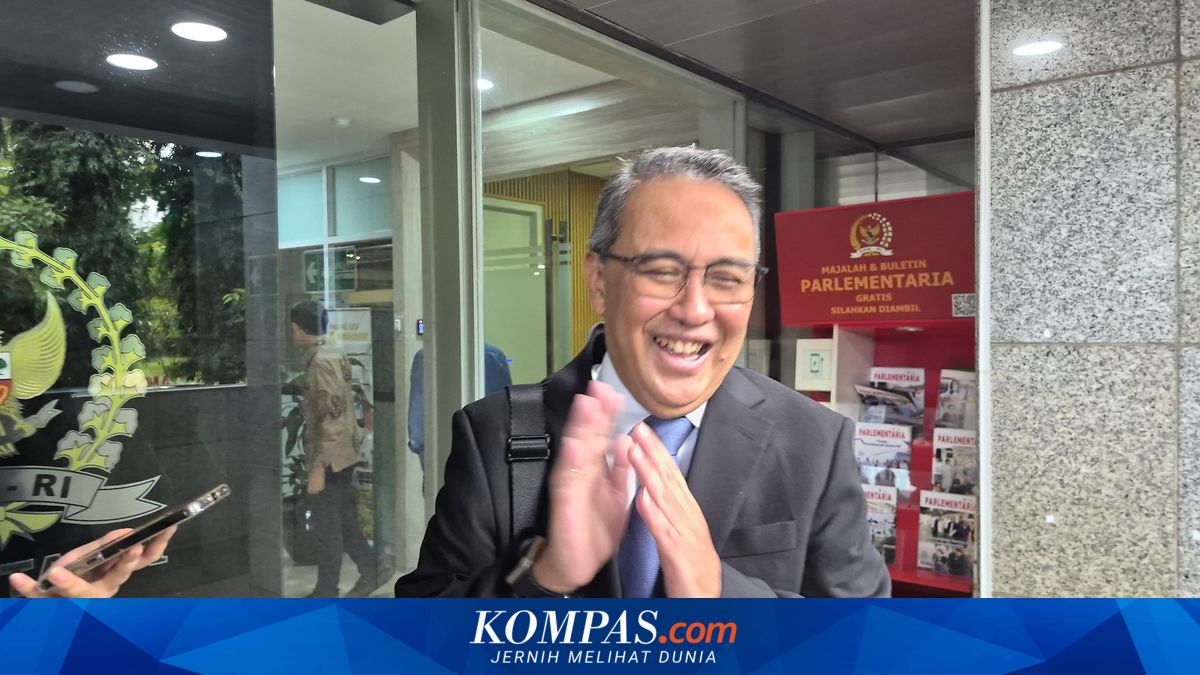
JAKARTA — Dicky Kartikoyono, a prospective member of the Financial Services Authority (OJK) Board of Commissioners, has proposed a credit securitisation scheme for micro, small, and medium enterprises (UMKMs) to expand financing for the sector.
The proposal was presented by Dicky whilst undergoing fit and proper testing as a prospective OJK Board Commissioner at Commission XI of the Indonesian House of Representatives in Jakarta on Wednesday, 11 March 2016.
He believes this step can serve as one of the ways to strengthen UMKMs’ role as an engine of national economic growth. Given that current UMKM credit distribution remains sluggish, there is a need to encourage greater contribution to the economy.
“We must push UMKMs forward through securitisation,” said Dicky.
The mechanism allows banks focused on retail financing to continue distributing UMKM credit, whilst banks oriented towards corporate or wholesale financing can purchase these assets to expand their financing portfolio.
According to Kartikoyono, the scheme can help expand financing sources for UMKMs without burdening a single bank group. Additionally, the model is considered capable of improving the efficiency of credit distribution in the banking sector.
“Currently we are at a flat 20 percent growth in UMKM credit, and conditions within the banking sector itself may differ in their focus on UMKM distribution. Yet UMKMs are the most important engine of economic growth,” he said.
Beyond the financing scheme, Dicky also emphasised the importance of strengthening data infrastructure to support safer UMKM credit distribution from a risk management perspective.
In this regard, collaboration between authorities such as Bank Indonesia (BI) and OJK is considered essential to build a more comprehensive database.
“Without data we cannot build credit ratings. These credit ratings are what can then open up the potential for UMKMs to obtain financing with better risk management,” he explained.
Through these various steps, Dicky hopes that UMKM financing can continue to expand, enabling greater contribution to national economic growth.
“UMKM development cannot rely solely on individual cases, but we must encourage it within a circular economy model. This is what we believe to be very important. That is the push towards optimising financing for development,” he concluded.