
DFSK States Village Operational Vehicles Don't Require 4x4
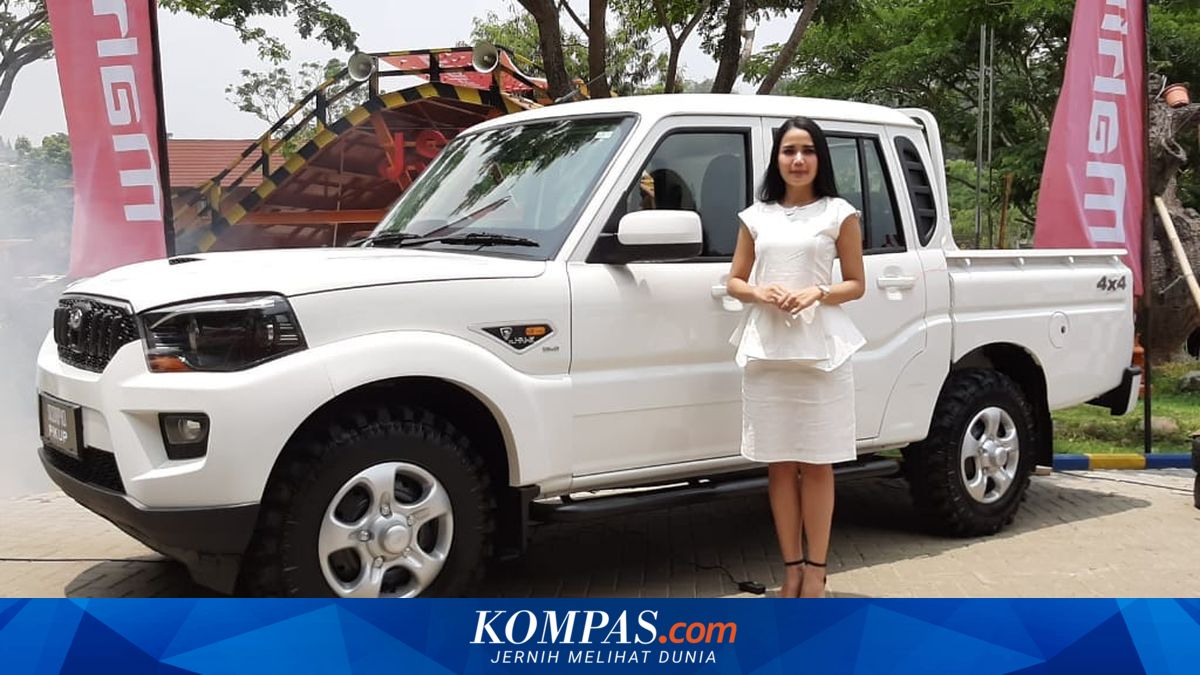
JAKARTA – Commercial vehicle manufacturer PT Sokonindo Automobile (DFSK) has responded to the procurement of pickup trucks for the Merah Putih Village Cooperative (Kopdes) programme, which has recently come under scrutiny, particularly following reports of units imported from India.
Director of Sales Centre PT Sokonindo Automobile, Cing Hok Rifin, stated that the company has not been consulted regarding vehicle requirements for the programme, despite several domestic authorised agents possessing products that could meet operational needs at village level.
According to him, various parties, including the automotive industry and members of parliament, have questioned the procurement process because information regarding vehicle specifications and the selection process was not disclosed openly to all industry players.
Additionally, DFSK has highlighted vehicle specifications that allegedly require four-wheel-drive (4x4) capability. However, for village cooperative operations that typically do not involve cross-provincial travel or extreme terrain conditions, two-wheel-drive (4x2) vehicles are considered sufficient.
“Looking at village cooperative operational needs, 4x2 is actually adequate. There is no need for 4x4,” he stated.
In terms of pricing, the difference in specifications has a significant impact. A 4x2 pickup can reportedly be sold for approximately 150 million rupiah, with potential for further cost reductions if special pricing is offered. By contrast, four-wheel-drive vehicles typically command substantially higher prices.
“A 4x2 might be around 150 million rupiah, or even lower with a special price. Whereas 4x4 is certainly much more expensive,” he said.
DFSK believes that using vehicles with simpler specifications could make the procurement budget more efficient, given that the programme involves state funds and substantial procurement volumes.
The company has also emphasised the importance of after-sales service readiness to support vehicle operations that will be used by village cooperatives across various regions.
DFSK itself claims to have production facilities in Indonesia and a dealer network spanning 27 provinces, positioning it to support maintenance and spare parts requirements at regional level.
“Our factory is already in Indonesia, and our dealer network is spread across various provinces. So from the perspective of after-sales support, we are ready,” he said.