
Despite Fragile Trust, India and Bangladesh Begin Reconciliation
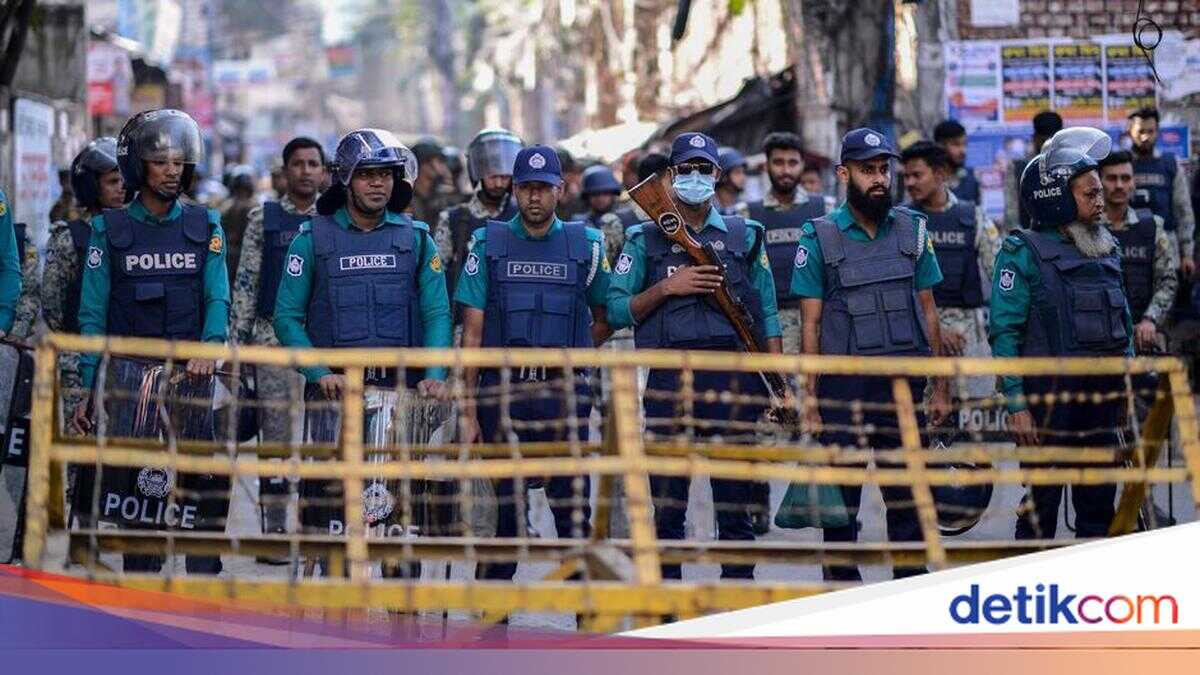
Relations between India and Bangladesh began to fracture when ousted Bangladesh Prime Minister Sheikh Hasina fled to Delhi amidst a wave of fierce protests that toppled her 15-year rule in 2024.
Now the two South Asian nations are attempting to rebuild the bridge that had collapsed by reopening visa services. Bangladesh’s diplomatic missions throughout India will fully reactivate tourist visa services.
India’s visa operations in Bangladesh will open in phases. For the time being, India’s High Commission is issuing medical visas and double-entry business visas.
Full recovery for all categories—including tourist, student, and work visas—is expected to take place within the coming weeks.
Why were visa services suspended?
Bangladesh froze Indian tourist visas in December 2025 following the eruption of fierce protests around Bangladesh’s embassy and consulates in New Delhi and several other Indian cities. The action was triggered by the lynching of a Hindu man, allegedly carried out by Islamist mobs in Bangladesh.
Officials cited security considerations ahead of Bangladesh’s general election in February as the reason for the freeze. During that period, only business and work visas were processed.
India had previously suspended most of its visa services in Bangladesh in late 2024, following the turmoil after Hasina’s ouster. In late 2025, India closed visa centres in Dhaka and Chittagong citing security concerns.
India and Bangladesh seeking “recalibration”
Tensions began to ease somewhat after Bangladesh elected a new government in early February. New Prime Minister Tarique Rahman promised a reset of relations with India.
Several longstanding grievances shadow bilateral relations: water resource disputes, the political fate of Hasina’s Awami League party, and border management.
“Both India and Bangladesh desire a recalibration of bilateral relations. The unfreezing of visas signals policy intent in that direction. However, this is a beginning to rebuilding trust, not its end,” said Avinash Paliwal, lecturer in international relations at the School of Oriental and African Studies, London, speaking to DW.
Paliwal assessed that negotiations on longstanding issues such as water sharing, trade imbalances, and the future of the Awami League will determine whether genuine recalibration is truly taking place.
“Domestic political opinion in each country remains filled with mistrust, both in India and Bangladesh. Navigating foreign policy recalibration in such a context is a challenge,” Paliwal added.
According to him, Bangladesh’s new leadership under the Bangladesh Nationalist Party (BNP), and India’s government led by the Bharatiya Janata Party (BJP), now both have strong mandates and sufficient political space to manoeuvre towards improved relations.
Bangladesh’s new government looks forward
Shortly after taking office, Prime Minister Rahman stated that his government would pursue a future-oriented relationship with New Delhi, based on mutual respect and national interest. He signalled that engagement, rather than confrontation, would characterise Dhaka’s approach going forward.
Pinak Ranjan Chakravarty, former Indian High Commissioner to Bangladesh, told DW that the visa-opening step is people-centred policy and will benefit thousands of Bangladeshi citizens who travel to India for medical treatment.
He added that several other measures are being pursued to improve relations. “Downstream steps such as reviving bus and passenger train services will improve connectivity,” Chakravarty noted.
According to him, the removal of certain non-tariff barriers will encourage trade and economic activity. The next step is to revive projects that were suspended by Bangladesh’s transitional government.
Those projects encompass issues of river water sharing, illegal migration, treatment of Hindu citizens, security, counter-terrorism, and border management. “There are more than 60 bilateral mechanisms for the engagement of both countries on various issues,” Chakravarty added.
Changing public perception
In Bangladesh, there remains a perception that India continues to side with Hasina’s Awami League. In November 2025, the ousted former prime minister was sentenced to death in Bangladesh for her crackdown on demonstrators that killed more than 1,400 people.
Hasina continues to live in exile in India, and the Bangladesh government expressed its anger when she was permitted to speak publicly in January.
In India, concerns focus on treatment of the Hindu minority and Bangladesh’s domestic political direction. Sreeradha Datta, Bangladesh expert at Jindal School of International Affairs, told DW that visa opening is a “beginning” that will “create goodwill.”
“Rahman must convince sections of Bangladeshi society that cooperation with India will bring benefits to Bangladesh. This is an interdependent relationship. India can offer needed economic support, while also considering and addressing other concerns that Dhaka may have,” said Datta.
“There is no need to rush, but both sides must be aware of each other’s needs and expectations,” she added.