
Deputy Speaker of the MPR: Anticipate Middle East conflict impacts with appropriate policy
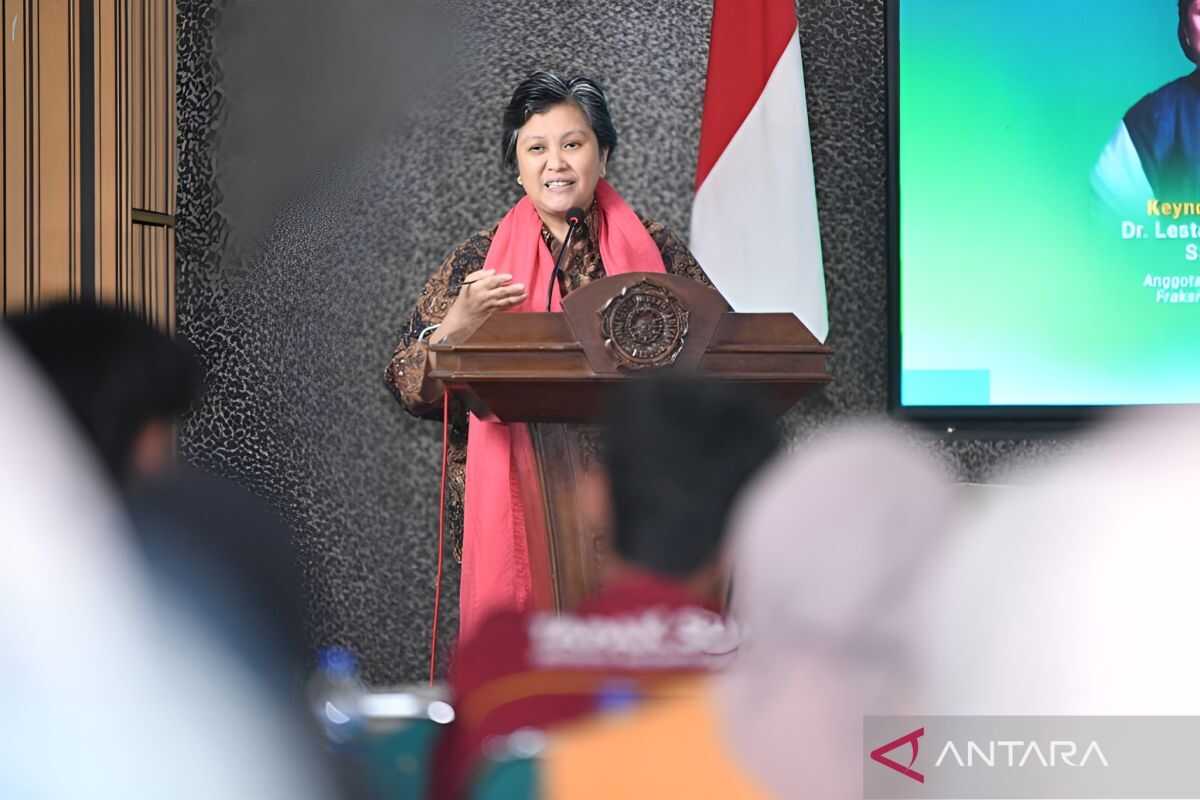
Jakarta (ANTARA) - Deputy Speaker of the MPR RI Lestari Moerdijat said that the impact of the Middle East conflict between Iran and the US-Israel must be anticipated with the right policies and should be a serious concern for stakeholders.
“A mandate of the 1945 Constitution to protect all Indonesians and partake in world peace must be the attention of decision-makers in addressing the impact of the US-Israel conflict and Iran,” she said, in a statement received in Jakarta on Wednesday.
In an online discussion “Nuclear or Regime Change? The Iran War and Its Influence on Indonesia and the World”, it is not excessive for stakeholders to pay particular attention to the conflict and its ensuing impacts.
According to Lestari, who is also a member of Commission X of the DPR RI, the impact of the US-Israel and Iran war does not only affect countries in the Middle East, but the whole world, including Indonesia.
Therefore she urged stakeholders to produce the right policies that can anticipate the impacts of the conflict, which is a spillover from the prolonged tensions between the US and Iran since the 1979 Revolution.
The discussion, held by Forum Diskusi Denpasar 12 on Wednesday, was also attended by Denni Puspa Purbasari, an Economics lecturer at Universitas Gadjah Mada in Denpasar.
According to Denni, the impact of the US-Israel and Iran war is closely related to energy due to the Hormuz Strait blockade, which is a traffic pathway for world oil. Other impacts include rising logistics costs and weakened market confidence.
He estimated oil prices would surge at the outset of the war by 8-10 percent. Price increases could be higher if the conflict lasts longer.
“The impacts for Indonesia will be visible in inflation, the external trade balance, the rupiah exchange rate, and fiscal [policy],” he said.
In relation to these impacts, he advised the government to focus on allocating budgets to shield vulnerable groups affected by the economic volatility.
“The domestic economic conditions will be a determinant if there is a global economic shock,” he added.