
Deputy Speaker of MPR Urges Enhanced Early Detection of Student Mental Health Issues
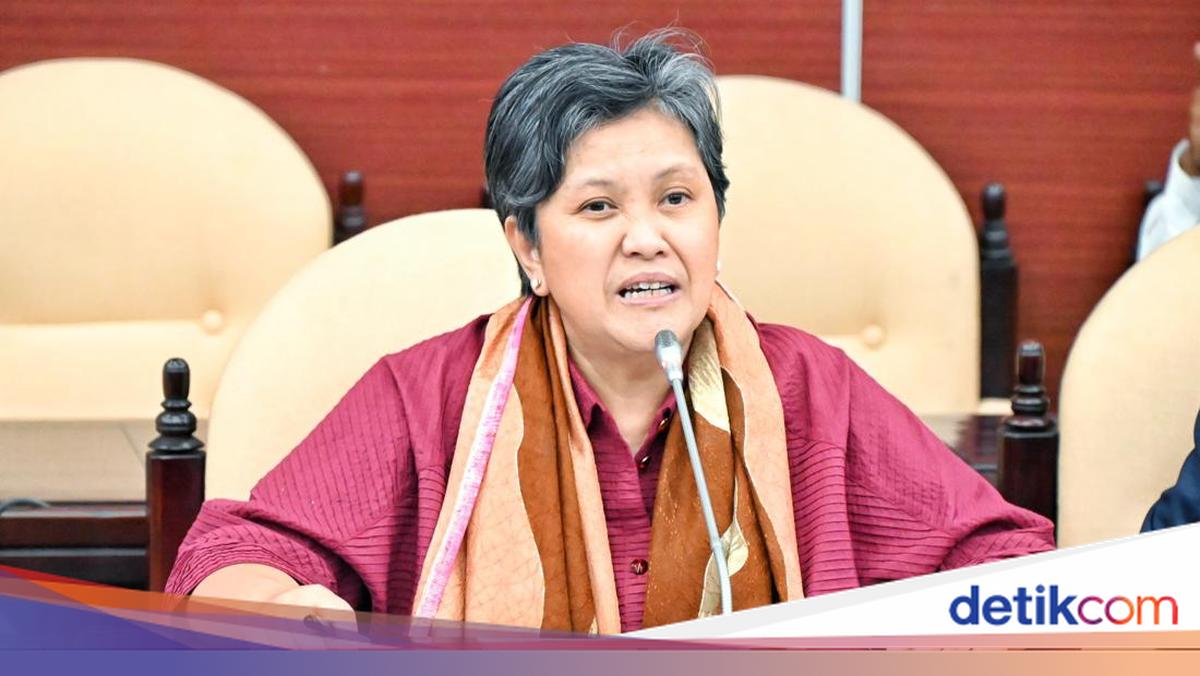
Deputy Speaker of Indonesia’s People’s Consultative Assembly (MPR RI) Lestari Moerdijat has urged enhanced efforts to detect mental health problems early amongst students in schools. This initiative aims to address the threat of psychological disorders affecting the nation’s younger generation.
“Collaborative steps by various relevant parties to comprehensively address the threat of student mental health issues in schools must receive collective support,” said Lestari Moerdijat in a statement on Tuesday (10 March 2026).
Health Minister Budi Gunadi Sadikin confirmed on Monday (9 March) that his ministry is cooperating with the Ministry of Basic and Secondary Education (Kemendikdasmen) to conduct screening and early detection of mental health problems amongst students in schools.
The initiative is being realised by equipping teachers with the ability to recognise early signs of mental health disorders in students.
According to Lestari, training to enhance teachers’ capacity in conducting student mental health screening must be implemented promptly.
Based on a Health Ministry survey conducted in early 2026, approximately 5% of Indonesian children and adolescents experience symptoms of mental illness, particularly depression and anxiety.
“More specifically, 34.9% of adolescents aged 10-17 are at risk of experiencing mental health problems. However, of that number, only 2.6% receive professional treatment,” he stated.
Given these figures, parents must also develop early detection capabilities for their children’s mental health.
Teachers, who interact with students daily, are at the forefront of identifying mental health problems faced by students in schools. However, the role of parents who interact with their children within the family is also important in screening their children’s mental health.
He emphasised that enhancing teachers’ and parents’ capacity to detect mental health problems early in students forms the foundation for addressing the threat of mental health disorders among the nation’s future generation.
He hopes that the collaboration between the Health Ministry and the Ministry of Basic and Secondary Education will be accompanied by the readiness of primary healthcare facilities, such as community health centres (Puskesmas), in providing mental health services.
“It must not happen that the results of early mental health detection in students conducted by schools cannot be followed up by the nearest healthcare facilities,” he concluded.