
Deputy Speaker of MPR Reminds Nutrition Service Units to Maintain Hygiene and Nutrition Standards in Free Nutritious Meals Programme
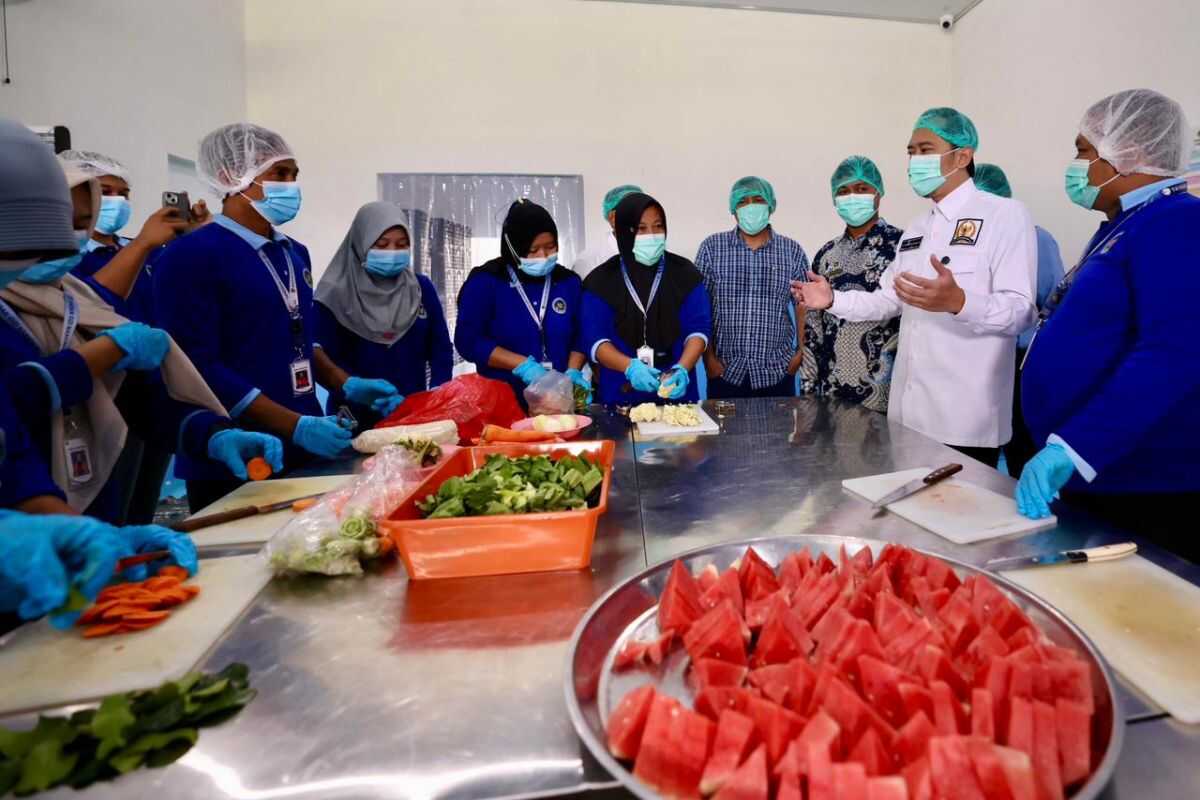
Jakarta — The Deputy Speaker of the Indonesian People’s Consultative Assembly (MPR) Edhie Baskoro Yudhoyono, commonly known as Ibas, has reminded nutrition service provision units (SPPG) across Indonesia to maintain hygiene and nutritional standards in the Free Nutritious Meals (MBG) programme.
“We must ensure that all food ingredients are genuinely hygienic and contain good nutritional value. This concerns the health of our children,” Ibas stated in a statement confirmed in Jakarta on Sunday.
He also noted that the process of washing and drying eating containers used in MBG distribution must be carefully monitored.
According to him, the cleanliness factor of eating utensils is also a crucial component in maintaining MBG food safety.
“Not only must the food be healthy, but the containers must also be sterile. Washing and drying processes must be properly supervised because this is an important part of preventing health risks,” he said.
During the Ramadan period, he reminded that adjusting menus to dried food should not reduce the programme’s quality standards.
“Although the menu differs during Ramadan, portions, nutritional content, and budget allocation must still comply with standards. Everything must be properly monitored, including the food delivery process to ensure it safely reaches students. Food poisoning incidents must not occur,” he warned.
He explained that he issued this reminder because MBG is a strategic national programme funded by public taxes, and therefore its implementation must be carried out optimally and with full responsibility.
“This programme is not inexpensive and comes from public funds. Therefore, its implementation must be carefully maintained in quality, transparent, and provide real benefits,” he said.
Meanwhile, he appreciated the operations of the Karanglo SPPG unit in Ponorogo District, East Java, which has received positive responses from the community, including praise for the taste of the food and the portions served, which meet students’ nutritional needs, particularly for low-income families in the surrounding area.
He hoped that the Karanglo SPPG could serve as an example of professional and hygienic nutrition service kitchen operations, whilst strengthening both nutritional security and the local economy in the region.