
Deputy Speaker of MPR Calls Bantargebang Waste Disposal Site Landslide an Alarm for Waste Crisis
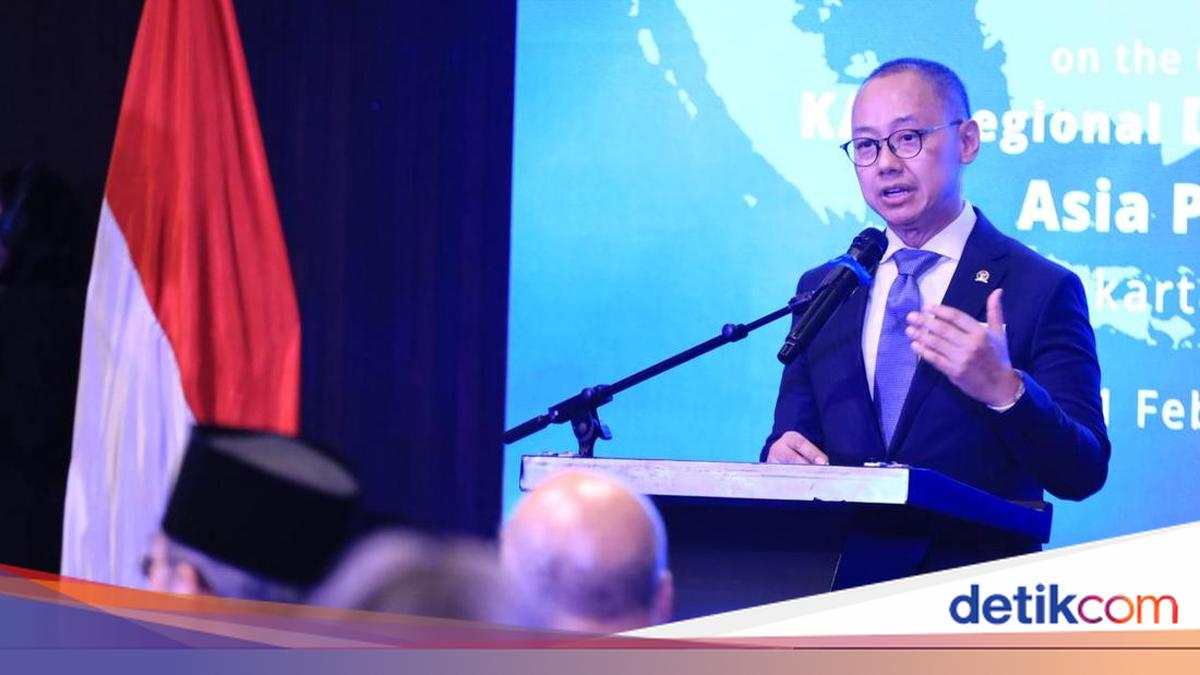
Deputy Speaker of the People’s Consultative Assembly (MPR) Eddy Soeparno from the National Mandate Party (PAN) Faction responded to the waste dump collapse at the Bantargebang Temporary Waste Disposal Site (TPST) in Bekasi City, West Java, which claimed the lives of four workers.
Soeparno expressed his condolences for the deaths of the workers buried under the accumulated waste. “I offer my deepest condolences for the loss of workers at Bantargebang who were buried by waste piles. In any case, worker and public safety must be the top priority,” Soeparno stated in a statement on Monday (10 March 2026).
He explained that Indonesia’s waste problem has reached a critical stage. Indonesia produces approximately 56 million tonnes of waste annually, yet only around 40 per cent is managed properly. “This means that a significant portion of waste remains unmanaged optimally,” he elaborated.
According to Soeparno, conditions at the Bantargebang site illustrate the acute nature of the waste problem. The height of the waste pile at the location has reached levels comparable to a multi-storey building of some 16 to 17 storeys. “When we look directly at the conditions in Bantargebang, we can understand how enormous the challenge we face is. The waste pile there is extremely high, comparable to a building of dozens of storeys. This demonstrates that the waste problem can no longer be delayed in its handling,” Soeparno said.
He noted that the government has responded to this waste crisis alarm by issuing Presidential Regulation 109 of 2025 to manage waste through incineration for electricity generation or renewable energy in the form of Waste-to-Energy Power Plants (PSEL). “President Prabowo has given special attention to waste management. In his various directives, he has emphasised the urgency of preventing a waste crisis with tactical and immediate action. Presidential Regulation 109 is an important step in national waste management,” he stated.
However, Soeparno noted that PSEL plants require 18 months to two years to become operational. Therefore, interim measures are needed for waste management in Indonesia. “For this reason, temporary actions must be taken to handle this waste problem. These include providing land for temporary storage. Because whether we like it or not, waste will continue to be produced and land will be needed to accommodate it,” he said.
“We also need upstream management. The upstream level needs to be addressed through education and capacity building for the community to sort waste and utilise waste banks for better waste processing,” he continued.
He believed that law enforcement is necessary to prevent similar incidents and deter illegal waste dumping. “In addition, there must be law enforcement, especially against those who dump waste illegally and then do not maintain proper waste management,” he concluded.