
Deputy Minister of Communications and Digital Affairs States Cultural Digitalisation as Foundation for Data in the AI Era
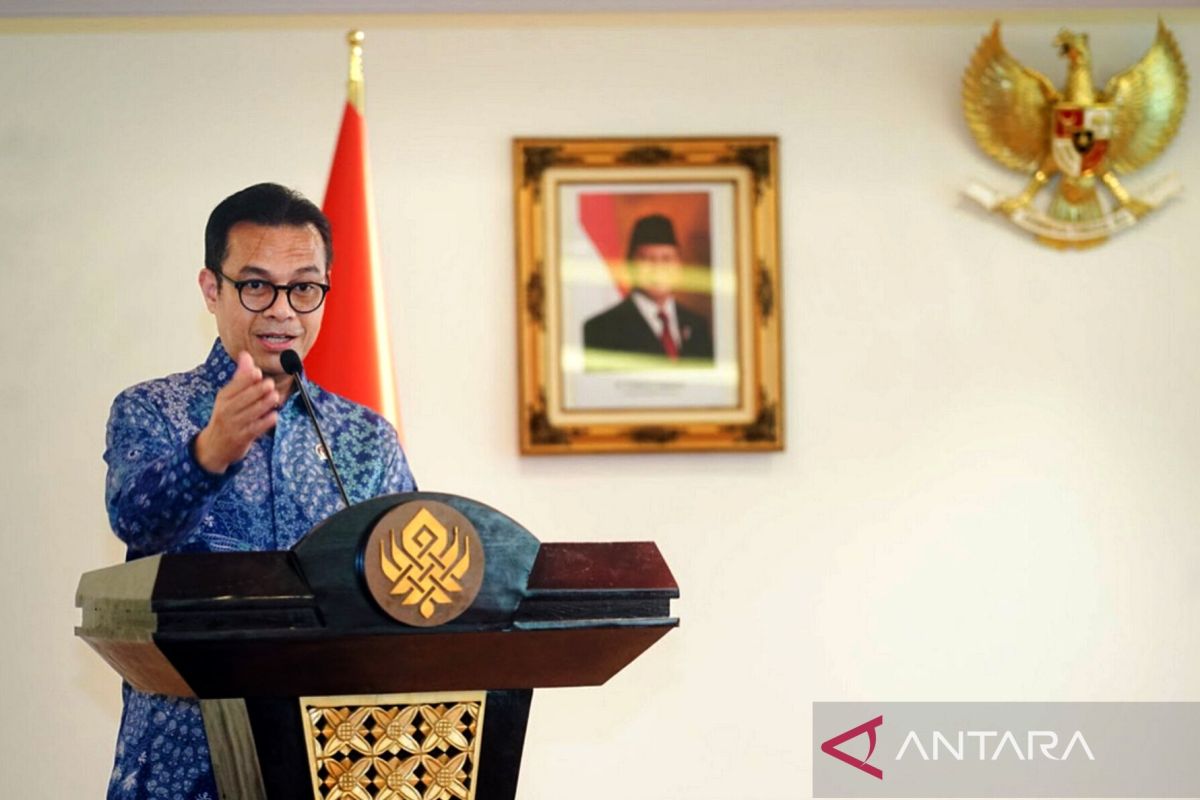
Jakarta — Deputy Minister of Communications and Digital Affairs (Wamenkomdigi) Nezar Patria has stated that cultural digitalisation plays a strategic role in the artificial intelligence (AI) era for a nation, as it can serve as a foundation for digital technology innovation.
“In this age of artificial intelligence, data has become extremely important, and culture is part of that data universe,” said Nezar at the Ministry of Culture office in Central Jakarta on Tuesday.
He assessed that the digitalisation process enables cultural works, traditions, and knowledge that were previously accessible only to certain parties to become more open to the public and researchers through various digital platforms.
Nezar opined that for Indonesia, cultural digitalisation is particularly important given the nation’s diverse cultures and the long civilisational history it has experienced.
Through digitalisation, cultural data functions not merely as an archive but also as a source of knowledge that can be utilised for research and technology development in the future.
The two ministries are collaborating to reconstruct the historic site of Palmyra in Syria through digital technology.
“Through digitalisation, we can document and introduce cultural works, traditions, and knowledge so they are more easily accessible through digital platforms,” Nezar explained.
Consequently, Nezar appreciated the collaboration between the Ministry of Communications and Digital Affairs and the Ministry of Culture to accelerate the digitalisation of Indonesian cultural artefacts and knowledge.
With cultural digitalisation in place, it is hoped this can serve as a foundation for developing AI innovation in Indonesia that is enriched by local cultures.
Additionally, digitalised culture can also equip young Indonesians with knowledge to better understand the diverse cultures that exist within their nation.
“Technology must serve as a means to preserve whilst also introducing the glory of national culture to current and future generations,” Nezar concluded.