
Deputy Minister Nezar: Media Crisis Poses Threat to Quality of Public Information
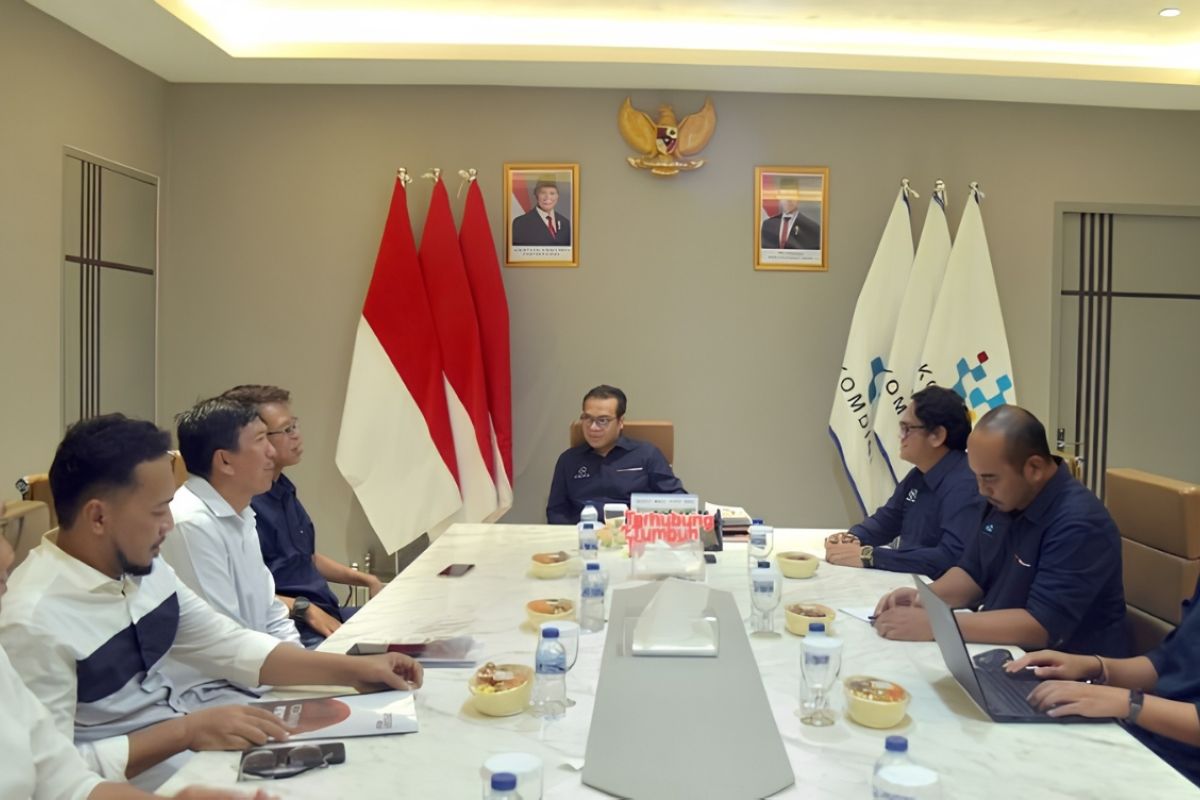
Jakarta (ANTARA) - Deputy Minister of Communication and Digital Affairs Nezar Patria assesses that the current crisis in the national media industry has evolved into a threat to the quality of public information and digital democracy space, no longer merely a business issue for press companies. According to Nezar, digital technology disruptions have transformed the media industry landscape from local to global levels. The ease of establishing media outlets today, he said, does not align with media companies’ ability to survive economically amid changes in information distribution and the shift of advertising spending to digital platforms. “Creating media is easy now; the difficult part is selling it. Nowadays, anyone can create media, but can they sustain it and remain viable? That’s the challenge,” Nezar stated while receiving an audience from Saburai TV management at the Ministry of Communication and Digital Affairs office in Central Jakarta on Wednesday (13/5), as quoted from the ministry’s official website. According to him, this pressure is also felt by major media outlets. Nezar cited a report from the Indonesian Online Media Association (AMSI) stating that the presence of AI features on digital search engines has caused media traffic to drop dramatically by up to tenfold. This traffic decline, he continued, directly impacts media companies’ revenues and triggers efficiency measures, including layoffs. Nezar said the pressure on the media industry is expected to continue into mid-year, particularly in the television sector, including local television that serves as a source of information for communities in the regions. Nevertheless, he emphasised that the main issue is not just the survival of media companies but its impact on the public information ecosystem. He assessed that the weakening of mainstream media could enlarge the space for the spread of manipulative information, disinformation, and unhealthy content that has the potential to damage the quality of digital democracy. Therefore, the government continues to promote a balanced information ecosystem through various forms of collaboration with media, including local media. “The government has tried to ensure fairer relations with platforms by issuing the Publisher Rights Presidential Regulation, so that media have a more equal position when dealing with platforms,” Nezar stated. He added that the Ministry of Communication and Digital Affairs will continue to open opportunities for collaboration with various media to support the dissemination of healthy, credible, and responsible public information amid digital transformation.