
Deputy Minister Helmi to Eradicate Illegal Foreign-Owned SMEs in Bali
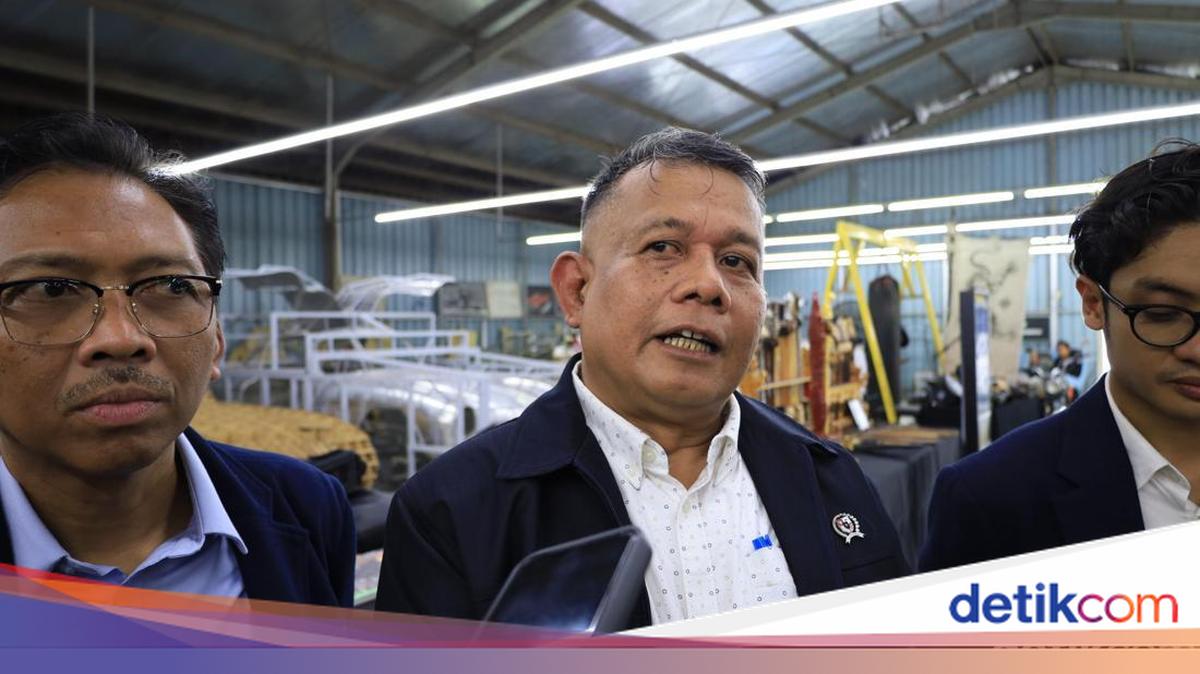
Small and medium enterprises (SMEs) increasingly established and operated by foreigners in Bali have been causing concern for several years. Deputy Minister for SMEs Helvi Yuni Moraza has several approaches to address the complaints from SME actors in Bali.
“We have a pattern. We will carry out enforcement (of regulations),” said Helvi after attending the Tuksedo Artistic Festival on Saturday (2/5/2026).
Helvi stated that another method is to map out which business sectors, at the SME level, are frequently operated by foreigners in Bali. Coordination between ministries is also being conducted to eradicate and prevent foreigners from attempting to establish SMEs in Bali.
The police, Ministry of Tourism, Ministry of Home Affairs, and other agencies will be collaborated with in efforts to resolve the issue. All these efforts will also encourage and facilitate Balinese residents who wish to enter the SME sector.
“Regarding regulations, we will facilitate them with the relevant ministries. The important thing is to solve this classic SME problem. We will inventory it and find solutions,” said Helvi.
Helvi stated that if foreigners establish SMEs in Bali, they will be immediately addressed. However, closing SMEs established and operated by foreigners is not straightforward.
If the foreigners establishing the SMEs already have permits, the next step is to ensure their legality. At the same time, the existence of SMEs founded by Indonesians will also be strengthened.
“We cannot just close someone’s business that has already been granted a permit. The issue is whether that permit’s legality is absolute,” she said.
Helvi noted that business regulations and permitting systems like the Online Single Submission (OSS) still have many flaws. However, the OSS regulations were created to make it easier for the public to establish businesses.
“We are only strengthening the SME activities themselves. We have been directed by President Prabowo Subianto to open up access to financing as widely as possible and open up market access as widely as possible,” she explained.
“If it’s a matter of legality (illegality), that’s a matter for law enforcement authorities,” she added.