
Deputy Minister: Foreign Language Training Opens Global Job Opportunities for Rural Residents
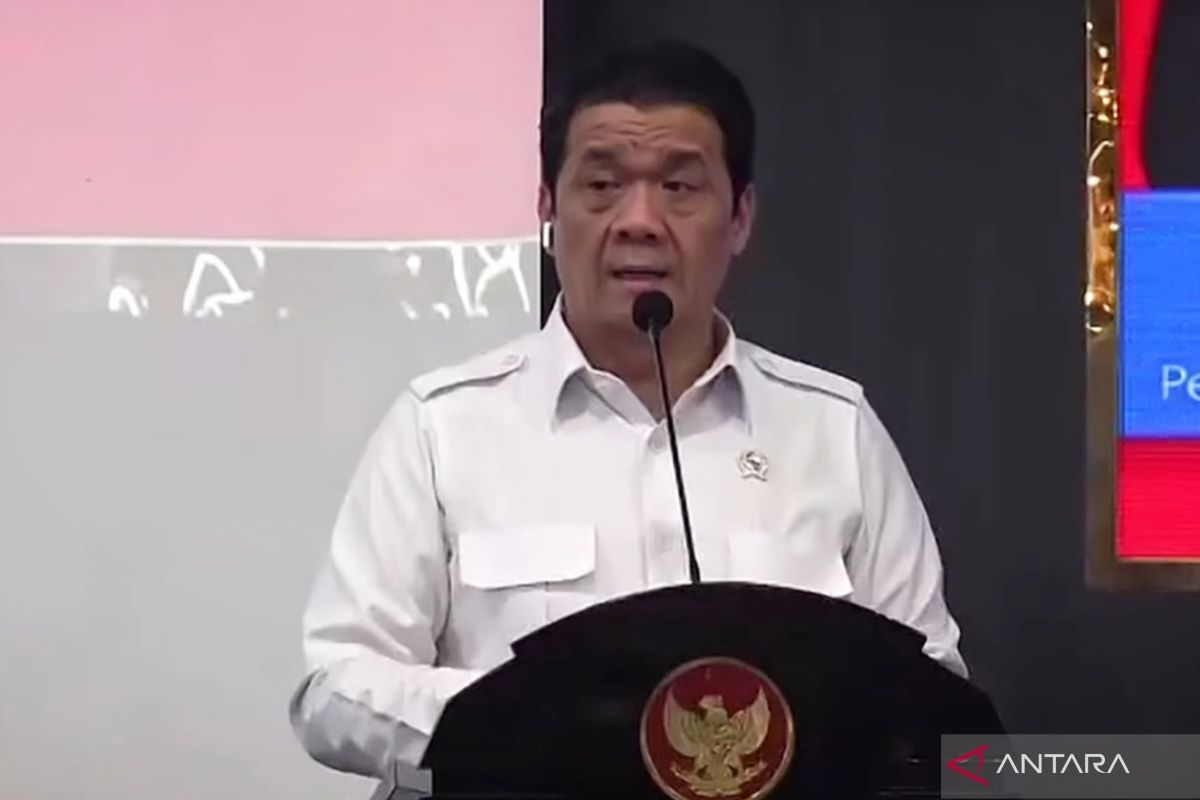
Jakarta (ANTARA) - Deputy Minister for Villages and Underdeveloped Regions (Wamendes PDT) Ahmad Riza Patria stated that foreign language training, such as Japanese for rural communities, is a strategic step to open up employment opportunities at the international level.
During the opening event of Japanese language training for rural communities and underdeveloped regions organised by the Ministry of Villages in collaboration with PT Mojo Indonesia Raya, Deputy Minister Ariza emphasised that the programme is not merely a formal activity but part of efforts to prepare the future of rural youth.
“This is not just a formality or mere language training; it is truly the path to the future, an opportunity for rural communities to become more confident, better prepared to add value, and more competitive in facing the ever-changing job market,” said the Deputy Minister in his speech at the Opening of Japanese Language Training Batch 2 at the Ministry’s office in Jakarta on Thursday.
According to him, foreign language training serves as an important gateway to connect the potential of rural communities with global job market needs, including internship and employment opportunities in Japan.
He further encouraged participants to make the most of the opportunity, noting that such programmes do not come twice.
Previously, the Education Department Head of PT Mojo Indonesia Raya, Andi Irma Sarjani, stated that the training is part of the collaboration between the Ministry of Villages and PT Mojo to enhance the quality of rural human resources through foreign language competencies.
Registration for the second batch was open from 16 February to 27 March and conducted online via barcode scanning on promotional materials linked to the registration form.
She noted that the number of participants in the second batch reached 1,457 from 36 provinces, 288 regencies/cities, and 1,183 villages. This figure is a significant increase compared to the first batch, which had only 118 participants.
After completing the online training, participants have the opportunity to continue with more intensive training at a Vocational Training Institute (LPK) to improve their Japanese language skills as preparation for working in Japan.
Through these stages, participants are expected to obtain competitive job opportunities with remuneration, while gaining work experience in a country with advanced technology, which ultimately can contribute to improving family economies and village progress.