
Deputy Minister for Higher Education, Science and Technology urges universities to strengthen children's literacy movement
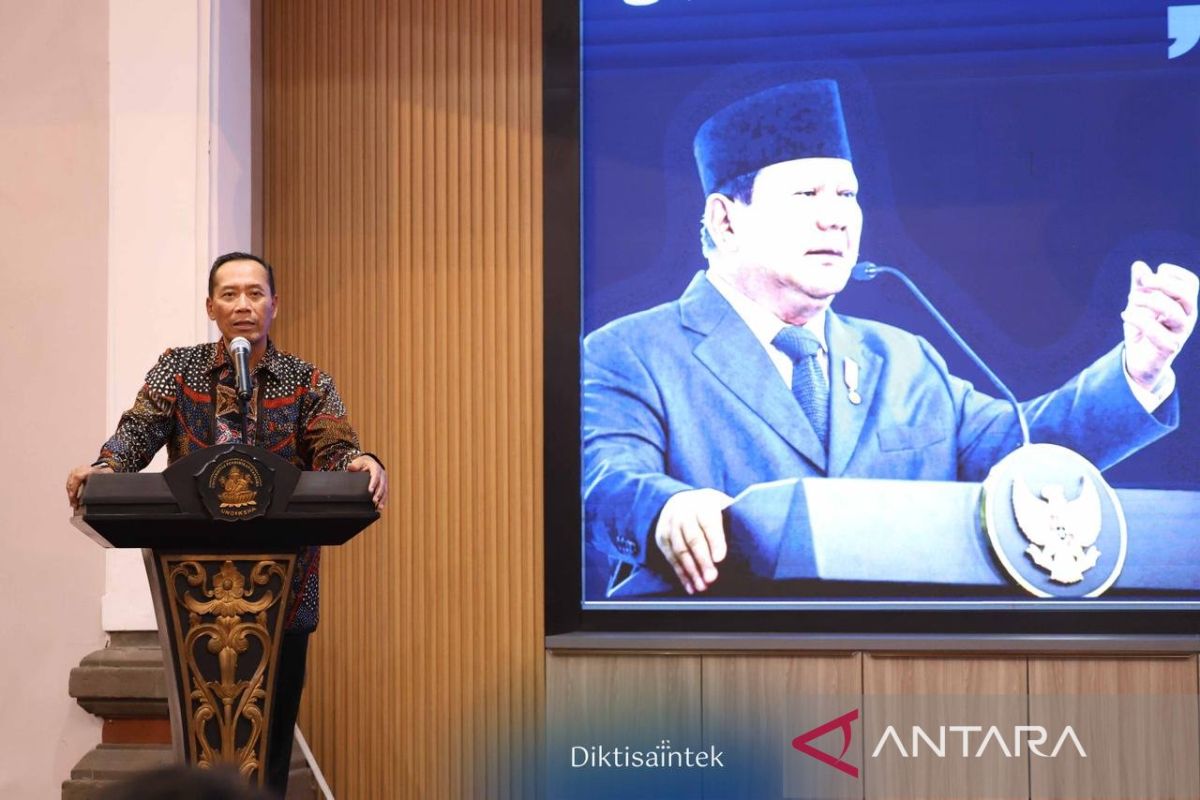
Jakarta — Indonesia’s Deputy Minister for Higher Education, Science and Technology (Wamendiktisaintek), Fauzan, has urged universities across Indonesia to establish a consortium for research and intervention in literacy and numeracy as a means of addressing the country’s literacy and numeracy challenges.
This initiative was prompted by the Programme for International Student Assessment (PISA) 2022 results released by the Organisation for Economic Co-operation and Development (OECD), which revealed that seven out of ten Indonesian students remain below the minimum proficiency level in reading literacy and mathematics.
“Sometimes children are physically present at school, but they are not truly present psychologically in the learning process. They come with bags and books, but do not gain meaningful learning experiences. Therefore, we hope universities can establish consortiums to deliver programmes that genuinely impact society,” said Wamendiktisaintek through a statement in Jakarta on Tuesday.
Deputy Minister Fauzan underscored that universities play a strategic role in addressing these challenges through data-driven research collaboration and educational intervention.
Through the consortium, he explained, universities can work together to develop learning models and literacy and numeracy interventions that can be replicated across various regions.
“With the establishment of a university consortium, higher education institutions are expected to collaborate in developing programmes with genuine impact for society,” said Fauzan.
This effort also aligns with President Prabowo Subianto’s policy direction, which places human resource development as a national priority.
The government has set a target that by 2029, no community members will be left behind in accessing basic education, including in literacy and numeracy capabilities, which form the foundation of human resource quality.
Within the context of higher education, this policy is reinforced through the “Diktisaintek Berdampak” (Impactful Higher Education, Science and Technology) programme, which encourages universities not only to produce research and scientific publications, but also to present concrete solutions to societal challenges.
Through this approach, research outcomes are expected to be directly applied to strengthen learning quality and ensure equitable distribution of education.